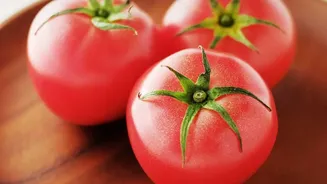



Have you ever wondered what gives a ripe tomato its signature scarlet colour? The answer lies in a fascinating natural process and a powerful pigment with surprising benefits for your health. It’s a story that begins when the fruit is still green.
The Journey From Green to Red
Every
tomato begins its life as a small, green fruit. In this immature stage, its colour comes from chlorophyll, the same pigment that gives leaves their green hue and powers photosynthesis. As the tomato ripens, a remarkable transformation occurs. Triggered by natural plant hormones and environmental cues like temperature, the fruit begins to break down its chlorophyll. This process reveals and simultaneously ramps up the production of a new class of pigments called carotenoids. The most prominent of these in a tomato is lycopene, a powerful compound that floods the fruit's cells, giving it the rich red colour that signals it's ready to eat.
What Exactly is Lycopene?
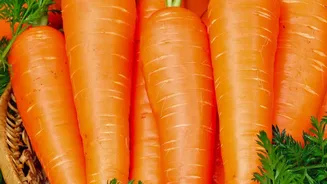
Lycopene is a naturally occurring chemical and a member of the carotenoid family, which also includes beta-carotene found in carrots. Its main job in the plant is to provide colour and help protect it from light damage. For humans, however, its most important role is that of a potent antioxidant. Antioxidants are molecules that help protect our bodies at a cellular level by neutralizing unstable molecules known as free radicals. These free radicals can cause oxidative stress, a type of damage linked to chronic health conditions and the aging process. Unlike some other carotenoids, the human body cannot convert lycopene into Vitamin A, allowing it to function purely as a protective antioxidant.
More Than Just a Pretty Pigment
The health benefits associated with lycopene are extensive. Numerous studies suggest that a diet rich in this nutrient may support cardiovascular health by helping to manage cholesterol levels and maintain healthy blood pressure. Its antioxidant properties are also linked to a reduced risk of certain types of cancers, particularly prostate cancer. Research has indicated that men who regularly consume lycopene-rich tomato sauce may have a lower likelihood of developing prostate cancer. Furthermore, lycopene is studied for its role in protecting skin from UV damage, supporting eye health, and potentially preventing diabetes through its anti-inflammatory effects.
The Surprising Power of Cooking
Here's a fascinating twist: you can get more lycopene from cooked tomatoes than from raw ones. In a raw tomato, lycopene is tightly bound within the plant's rigid cell walls in a chemical form that is difficult for our bodies to absorb. The process of heating and crushing tomatoes—as when making a sauce or paste—breaks down these cell walls, releasing the lycopene. Heat also changes the molecular structure of lycopene, converting it into a shape that is more easily absorbed by our intestines. Studies have shown that the bioavailability of lycopene from tomato paste can be up to four times higher than from fresh tomatoes.
Boost Absorption With a Little Fat
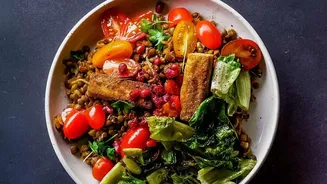
There's one more trick to getting the most out of this nutrient. Lycopene is a fat-soluble compound, which means it doesn't dissolve in water and needs fat to be properly absorbed by the body. Simply cooking tomatoes isn't enough if fat isn't present. One study found that cooking tomatoes with olive oil increased the absorption of lycopene by 82%, while cooking them without fat showed no significant increase. So, whether it's a drizzle of olive oil on your tomato sauce or some avocado with your salsa, pairing lycopene-rich foods with a healthy fat is the key to unlocking their full potential.
Where Else to Find Lycopene
While tomatoes and tomato products like ketchup, paste, and sauce are the most concentrated sources of lycopene in the average diet, they aren't the only ones. This vibrant pigment is also responsible for the beautiful colours of several other fruits. Watermelon, pink guava, and pink grapefruit are all excellent sources of lycopene. You can also find it in papaya, red bell peppers, and apricots, helping you 'eat the rainbow' while stocking up on this valuable antioxidant.