



The Overloved Lake
For decades, the Nainital experience has been defined by a few key activities: boating on Naini Lake, strolling down the Mall Road, and perhaps a cable car ride for a panoramic view. This formula has proven immensely popular, but it has come at a cost.
The town is grappling with overtourism, where peak season traffic brings the hill station to a standstill and essential resources are strained. The very things that draw visitors—the serene lake and clean mountain air—are being compromised by the sheer volume of people focused on a tiny geographical area. The tourist experience becomes a loop of crowds and commerce, while the town’s deeper character remains largely ignored. This relentless pressure not only degrades the environment but also offers a diminishing return for visitors seeking peace and discovery.
A Forgotten Architectural Story
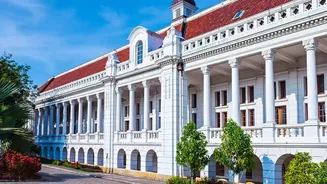
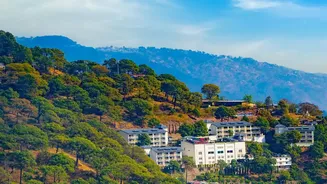
Beyond the bustling lakefront lies a different Nainital—a town frozen in time. As the former summer capital of the United Provinces, its hills are dotted with architectural marvels from the British era. There is the magnificent Raj Bhawan, or Governor's House, a sprawling Gothic-style structure resembling a Scottish castle. There's the St. John in the Wilderness Church, one of its oldest structures, standing amidst a deodar forest since 1844. And then there are the charming colonial bungalows and cottages like Gurney House, once home to the legendary conservationist Jim Corbett. These buildings, with their gabled roofs, stone facades, and Victorian charm, tell the story of Nainital's origins. They are not just buildings; they are historical artifacts hiding in plain sight, their stories waiting to be rediscovered.
Envisioning a Nainital Heritage Day
Imagine a day, or even a weekend, dedicated to celebrating this architectural legacy. A Nainital Heritage Day could transform the town's tourist landscape. On this day, specific zones featuring clusters of historic buildings could become pedestrian-only. Guided heritage walks, which currently exist on a small scale, could become a major organised event, leading visitors from the Raj Bhawan to the old churches and forgotten bungalows. Homeowners of historic properties could be incentivised to open their gardens to the public, sharing stories of their homes. Pop-up exhibitions could be held, and local Kumaoni artisans and food vendors could be integrated into the celebration. The focus would shift from passive consumption of views to active engagement with history, culture, and architecture. It would be an invitation to explore the town's lanes and bylanes, not just its lake.
A New, Sustainable Chapter
The benefits of such an initiative would be manifold. Economically, it would create new opportunities for local historians, guides, and small business owners. It would disperse tourists, relieving the immense pressure on the Naini Lake and Mall Road, thereby making the experience more pleasant for everyone. Socially, it would foster a renewed sense of pride among residents in their town's unique history and encourage the preservation of these aging structures. For tourists, it offers a far richer and more memorable experience. They would leave not just with photos of the lake, but with a deeper understanding of the town's soul. A Heritage Day would diversify Nainital’s appeal, attracting a different kind of visitor—one interested in culture, history, and responsible exploration, moving the town towards a more sustainable and resilient tourism model.