






The 'Tech Neck' Phenomenon
One of the most significant modern contributors to neck pain is the posture we adopt while using phones and tablets. Constantly looking down puts immense strain on the cervical spine. Your head weighs about 10 to 12 pounds, and for every inch you tilt
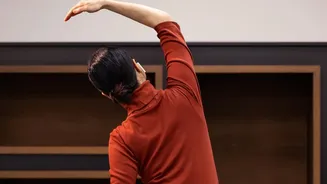
it forward, the muscles at the back of your neck have to work harder to support it. This can lead to muscle fatigue, stiffness, headaches, and a condition commonly called "tech neck" or "text neck". The simple fix is to bring your device up to eye level more often. Taking frequent breaks every 20-30 minutes to stretch and look up can also counteract the strain.
Your Desk Setup Is Not Your Friend
For those who spend hours at a desk, an improper ergonomic setup is a primary source of both back and neck issues. A monitor that is too low forces you to crane your neck forward, while a chair without adequate lumbar support encourages slouching. This poor posture leads to muscle imbalances, where some muscles become overworked and tight while others weaken. Over time, this can increase pressure on your spinal discs. To create a more spine-friendly workspace, ensure your monitor is at eye level, your feet are flat on the floor with your knees at a 90-degree angle, and your chair supports the natural curve of your lower back.
Sitting for Too Long
Even with a perfect desk setup, sitting for prolonged periods is detrimental. A sedentary position can cause muscles to tighten, reduce blood flow, and put sustained pressure on spinal discs. Our bodies are designed to move. When you remain in one position for hours, it can lead to stiffness and pain, particularly in the lower back. Experts recommend taking short breaks to stand, walk, or stretch at least every 30 to 60 minutes. Even a few minutes of movement can improve circulation and relieve the tension that builds up from being stationary.
An Unsupportive Sleep Style
You spend a third of your life in bed, so your sleeping position has a major impact on your spinal health. Sleeping on your stomach is often considered the worst position because it forces you to twist your neck to one side for hours, which can strain nerves and joints. This position also arches your lower back. According to experts, sleeping on your back is often best for spinal alignment as it distributes weight evenly. Placing a pillow under your knees can further reduce stress on the lower back. Side sleeping is also a good option, especially with a firm pillow between the knees to keep the hips, pelvis, and spine aligned.
Carrying Your Life on One Shoulder
Carrying a heavy handbag, briefcase, or backpack on one shoulder day after day creates an imbalance that your body must compensate for. To counteract the weight, you instinctively hike one shoulder up, which throws your spine and neck out of alignment. This constant, uneven load can lead to chronic muscle strain and pain in the neck, shoulders, and back. The solution is to lighten your load whenever possible. Opt for a backpack and wear both straps to distribute the weight evenly. If you must use a single-strap bag, make a conscious effort to switch sides regularly to avoid overloading one part of your body.