





The Morning Rush: Breakfast in Minutes
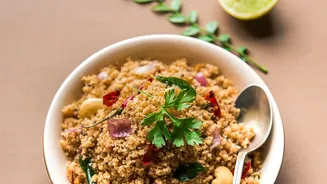
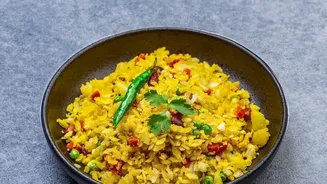
In the daily hustle of urban India, time is a luxury few can afford, especially in the morning. This is where the genius of quick breakfasts shines. Take Poha, flattened rice that requires minimal cooking. A staple in states like Maharashtra and Gujarat,
it can be ready in under 20 minutes. After a quick rinse, the softened flakes are tossed with tempered spices, onions, and perhaps some potatoes or peas. It’s light, nutritious, and perfectly suited for a fast-paced start. Similarly, Upma, a savory semolina porridge popular across the country, offers a warm and filling meal that comes together just as quickly. These dishes are not merely convenient; they are a culinary solution to the modern challenge of balancing tradition with a ticking clock, proving that a wholesome breakfast doesn’t need to be a time-consuming affair.
The Weekend Indulgence: A Slow Affair
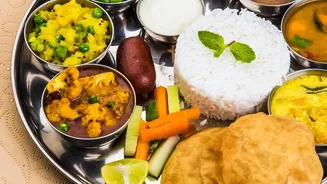
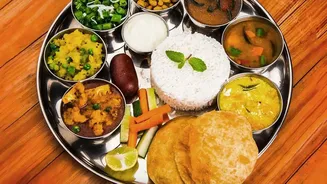
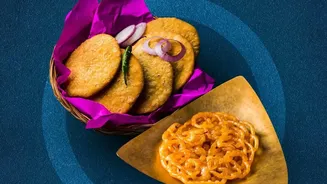
When the weekday frenzy gives way to the weekend's calm, breakfast transforms from a quick refuel into a celebrated event. This is the time for dishes that demand patience and are meant to be savored. In North India, weekend mornings are often synonymous with the aroma of Aloo Parathas sizzling on a tawa, served with generous dollops of butter and tangy pickles. Further east, in Bengal, a Sunday might feel incomplete without Luchi-Alur Dom—fluffy, deep-fried bread paired with a slow-cooked potato curry. In Delhi and Punjab, Chole Bhature is a beloved indulgence, a rich and hearty combination of spicy chickpeas and large, puffy bread that is best enjoyed with family and friends. These meals are not just about eating; they are rituals. They represent a deliberate slowing down, a time for connection and conversation around the dining table, making the lengthy preparation an integral part of the joyous experience.
Slow Prep, Fast Finish: The Fermentation Clock
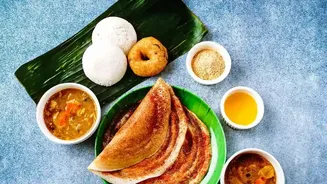
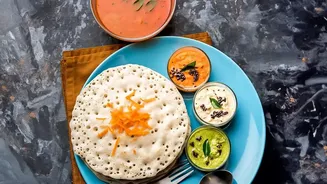
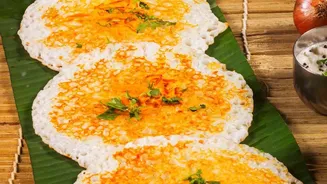
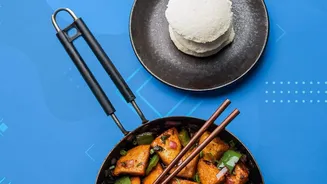
South Indian breakfasts like Idli and Dosa present a unique relationship with time, built on the principle of patient preparation for a quick payoff. The process begins a day in advance, with rice and lentils being soaked, ground into a smooth batter, and then left to ferment overnight. This ancient technique, possibly influenced by Indonesian culinary practices, not only gives the dishes their signature light texture and tangy flavor but also makes them easier to digest. While the prep work is extensive, the final cooking is incredibly swift. Idlis are steamed in just a matter of minutes, and dosas are crisped up on a hot griddle in even less time. This method is a masterclass in culinary time management, where hours of slow, natural processes culminate in a meal that can be served hot and fresh at a moment's notice.
Ready for the Road: The Make-Ahead Mindset
Another clever manipulation of time in Indian breakfast is the tradition of making dishes that last. Gujarati households have perfected this with the Thepla, a spiced flatbread often incorporating fenugreek leaves. These can be made in large batches and stored for several days, making them a perfect travel-friendly meal or a quick bite on a busy morning. Similarly, some parathas can be prepared and enjoyed over a couple of days. This approach shifts the time investment from the morning of consumption to a more convenient time, ensuring that a homemade breakfast is always on hand without the daily effort. It’s a practical and resourceful strategy that reflects a deep understanding of food preservation and the rhythms of household life, ensuring that no one has to compromise on a satisfying meal, no matter how little time they have.