




The Core Principle: Protein, Fibre, and Fat
Before getting into specific meals, it's helpful to understand the 'why'. A breakfast that effectively manages blood sugar isn't about eliminating food groups, but about smart combinations. The goal is to include three key components: protein, fibre,
and healthy fats. Protein and fibre work to slow down digestion. This means that the carbohydrates you eat are broken down and absorbed more gradually, preventing a rapid spike in blood glucose. Healthy fats also contribute to this slowing effect and increase feelings of fullness. In contrast, a breakfast high in refined carbohydrates and sugar (like sugary cereals, pastries, or white toast with jam) is digested very quickly, leading to that classic spike-and-crash cycle that leaves you feeling tired and hungry soon after.
Egg-Based Breakfasts
Eggs are a powerhouse for a blood-sugar-friendly breakfast. They are virtually carbohydrate-free and packed with high-quality protein, which is excellent for satiety. One of the quickest options is a scramble or omelette packed with non-starchy vegetables like spinach, mushrooms, or bell peppers. The vegetables add valuable fibre and nutrients with a minimal impact on glucose. For an even faster option, having a couple of hard-boiled eggs ready to go is a perfect grab-and-go meal. Pair your eggs with a slice of whole-grain or sourdough toast and a bit of avocado to add fibre and healthy fats for a complete, balanced meal.
Yoghurt and Cottage Cheese Bowls
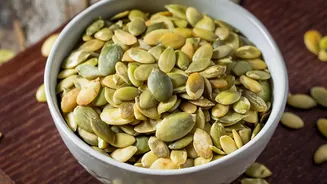
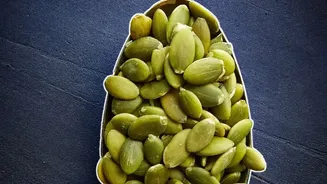
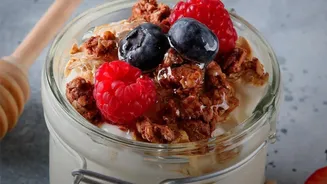
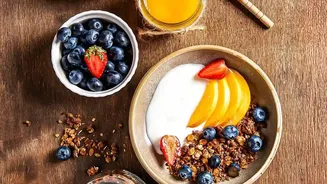
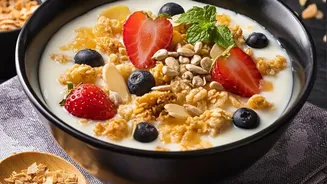
Plain, unsweetened Greek yoghurt is another fantastic breakfast base. It is much higher in protein and lower in sugar than most regular or flavoured yoghurts. Cottage cheese is a similar high-protein option that can help you feel full for hours. To build a balanced bowl, start with a serving of full-fat plain Greek yoghurt or cottage cheese. For sweetness and fibre, add a small handful of low-glycemic berries like strawberries, blueberries, or raspberries. Top it off with a sprinkle of nuts (like walnuts or almonds) and seeds (like chia or flax) for a boost of healthy fats and extra fibre. This breakfast requires no cooking and can be assembled in minutes.
Smarter Grains and Toast
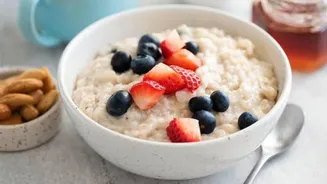
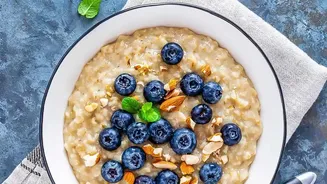
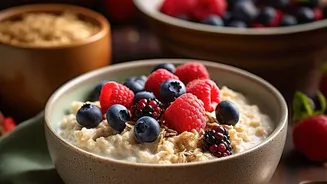
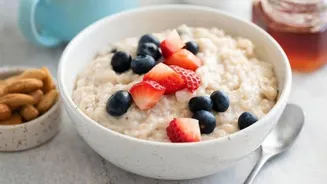
If you enjoy a warm bowl of porridge, the type of oats you choose matters. Steel-cut or rolled oats are digested more slowly than instant oats because they are less processed and higher in fibre. The beta-glucan fibre in oats has been shown to help reduce the glucose response after eating. To make it more balancing, stir in a scoop of nut butter or top with a handful of nuts and seeds to add protein and healthy fats. If toast is your go-to, switch from white bread to a high-fibre, whole-grain option like sourdough, rye, or seeded bread. Instead of sugary jam, top it with mashed avocado and a sprinkle of seeds, or a smear of nut butter.
Quick and Nourishing Smoothies
Smoothies can be a great choice, but they can also be hidden sugar bombs if not made correctly. To build a blood-sugar-friendly smoothie, start with a protein source as your base. This could be plain Greek yoghurt, cottage cheese, or a scoop of protein powder. Add healthy fats from sources like half an avocado, a tablespoon of almond butter, or chia seeds. Include fibre by tossing in a large handful of spinach or kale—you won't taste it. Finally, add a small portion of low-sugar fruit, such as a handful of mixed berries. Using a protein and fat base instead of just fruit and juice is key to making a smoothie that provides sustained energy.