






The Allure of the Kitchen Shelf
It's a story we hear often from celebrities like Janhvi Kapoor and Mira Rajput Kapoor, who have spoken about using kitchen-staple ingredients for their skin. The idea of using something as pure and simple as milk feels intuitive and safe. In a world of complex
chemical formulas and 10-step routines, the return to traditional home remedies is incredibly appealing. It promises authentic results without the hefty price tag or confusing ingredient lists. This trend taps into a powerful desire for wellness that is both accessible and rooted in tradition, making a simple ingredient like raw milk seem like a forgotten secret to perfect skin.
The Claim: A Miracle Moisturiser?
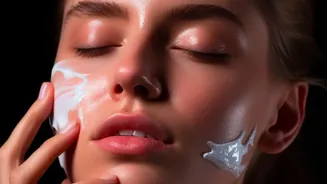
Proponents of using raw milk on the face believe it’s a multitasking miracle. The claims often centre on its key components. It contains lactic acid, a natural alpha-hydroxy acid (AHA) known for its gentle exfoliating properties that can help remove dead skin cells and brighten the complexion. The natural fats and proteins in milk are said to provide deep hydration, reinforcing the skin's natural barrier and leaving it feeling soft and supple. Vitamins like A and D, also present in milk, are essential for skin health and repair. In theory, a quick facial massage with cold raw milk seems like a perfect, all-in-one treatment to cleanse, exfoliate, and moisturise.
The Reality: A Dermatologist's Warning
This is where the simple narrative gets complicated. Dermatologists almost universally advise against applying raw, unpasteurised milk directly to the skin. The primary concern is bacteria. Raw milk can be a breeding ground for harmful pathogens like E. coli, Salmonella, and Listeria. Applying these to your face, especially if you have cuts, acne, or a compromised skin barrier, can lead to serious skin infections, severe breakouts, or allergic reactions. Experts warn that such DIY remedies can disrupt the skin's delicate pH balance and damage its protective barrier, leading to more harm than good in the long run.
Unstable, Unreliable, and Potentially Pore-Clogging
Beyond the risk of bacteria, experts also point out that raw milk is not a reliable skincare ingredient. The concentration of beneficial components like lactic acid is often too low and varies wildly from batch to batch, making results unpredictable. Furthermore, for those with acne-prone or oily skin, the high fat content in milk can potentially clog pores and worsen breakouts, directly contradicting the claim that it helps cleanse the skin. Even individuals with a lactose intolerance may experience topical reactions like redness and itching. There is no strong clinical evidence to support using raw milk as a primary treatment for any skin condition.
Safer Alternatives for That Coveted Glow
The good news is that you can get all the purported benefits of raw milk without any of the significant risks. If you're seeking the exfoliating power of lactic acid, it's far safer and more effective to use a professionally formulated product. Skincare brands offer cleansers, toners, and serums with stable, controlled concentrations of lactic acid that are designed to be effective and safe for the skin. For hydration, look for products containing proven ingredients like hyaluronic acid, glycerin, or ceramides. These ingredients are clinically shown to moisturise the skin effectively without the risk of bacterial contamination or clogged pores, delivering reliable results and taking the guesswork out of your routine.