


A Festival of Unmatched Proportions
To understand Puja in Kolkata is to understand scale. With an estimated 4,000 community pandals within city limits alone, the festival is a decentralized art event spread across an entire metropolis. In 2021, UNESCO recognized this phenomenon, adding
Kolkata's Durga Puja to its list of Intangible Cultural Heritage of Humanity. The citation praised it as a prime example of religion and public art merging, driven by a massive collaborative effort of artists, designers, and communities. This isn't just a festival; it's a city-wide act of imagination that generates an estimated 2.58% of West Bengal's GDP, making it a creative and economic powerhouse.
The Pandals: A City-Wide Art Gallery
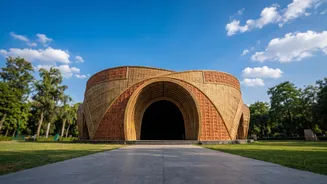
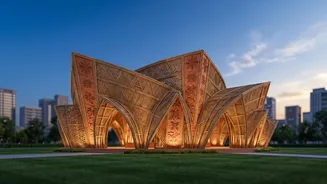
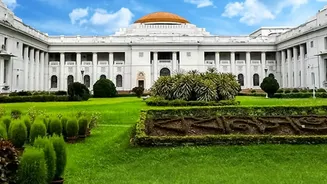
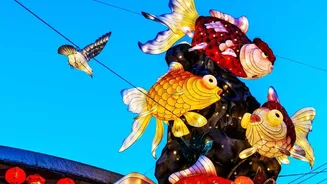
The heart of the celebration is 'pandal hopping'—exploring the thousands of temporary pavilions, each housing a unique idol of Goddess Durga. These structures range from displays of staggering artistic innovation to deeply traditional creations. Broadly, they fall into two camps. Thematic pandals often recreate famous monuments, craft elaborate social messages, or push artistic boundaries with their designs. In contrast, 'Bonedi Bari' pujas, held in the city's centuries-old aristocratic homes, offer a nostalgic glimpse into heritage, with rituals and decor preserved for generations. This dual offering allows visitors to experience both contemporary street art and living history in a single night.
North vs. South: A Tale of Two Pujas
A key to navigating the city is understanding the distinct character of its two halves. North Kolkata is the historic heartland, known for its traditional pujas like Bagbazar Sarbojanin, one of the oldest in the city. Here, the lanes are narrower, the idols often feature classic 'daaker saaj' (silver foil) decorations, and the atmosphere feels more devotional and community-driven. South Kolkata, on the other hand, is the battleground for theme-based pujas, where committees like Suruchi Sangha and Ekdalia Evergreen compete for awards with grand, innovative, and often socially-conscious installations. Most seasoned pandal-hoppers dedicate separate evenings to each zone to fully appreciate their unique flavours.
A Culinary Marathon
Food is not an afterthought during Puja; it's an essential part of the experience. The city becomes a massive feast, with options for every palate and budget. Streets are lined with pop-up stalls selling Kolkata's iconic street foods: spicy Phuchka, flaky Kathi Rolls, and various deep-fried 'chops' and cutlets. For a soulful meal, most community pandals serve 'bhog'—a sacred offering of khichuri, mixed vegetables (labra), and sweets, usually for free at lunchtime. Restaurants roll out special Puja menus, but the on-the-go snacks are what fuel the all-night pandal hopping that defines the festival.
Navigating the Festive Frenzy
The scale of the celebration brings immense crowds, and navigating the city requires some strategy. During the main Puja days, many roads around popular pandals are closed to traffic in the evenings. The Kolkata Metro becomes your best friend, with extended services often running late into the night. Comfortable walking shoes are non-negotiable, as you can easily cover several kilometers in a single night of hopping between pandal clusters. To avoid the biggest rush, seasoned visitors recommend exploring either early in the morning or after 11 PM, when queues at the most famous pandals tend to be shorter.