

The Science Behind the Scent
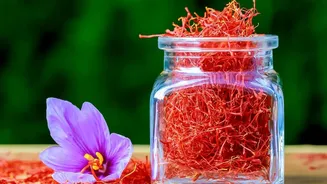
The captivating aroma of saffron isn't just one single note; it's a complex profile created by specific chemical compounds. The primary driver of its distinct fragrance is safranal, a volatile oil that gives saffron its characteristic earthy, hay-like
scent. This compound actually develops during the drying and storage process; freshly picked saffron threads have very little aroma. Safranal is derived from another compound called picrocrocin, which is responsible for the spice's slightly bitter taste. When saffron is dried, picrocrocin breaks down to create safranal. The third key compound is crocin, which provides the vibrant golden colour saffron is famous for. Together, these three components—safranal (aroma), picrocrocin (taste), and crocin (colour)—define the quality of the spice.
What Does Real Saffron Smell Like?
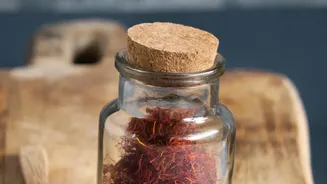
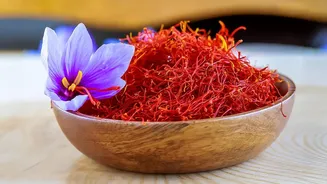
Describing saffron's scent can be elusive because it's so layered. High-quality saffron should have a warm, earthy, and floral aroma with distinct notes of honey and dried hay. Some also detect subtle hints of leather, tobacco, or even a faint metallic edge. It should smell sweet, but not sugary or candy-like. This complex fragrance is a sign of authenticity. If your saffron has little to no smell, or smells musty, it may be old or of poor quality. If it smells aggressively pungent or chemical, it could be an imitation. Fake saffron, often made from dyed corn silk or safflower petals, will lack the intricate, layered aroma of the real thing. Trust your nose: real saffron smells luxurious, natural, and complex.
Unlocking the Aroma: The Art of Blooming
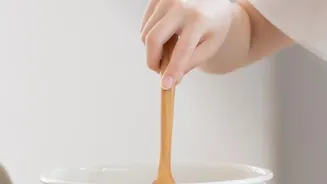
Simply tossing dry saffron threads into your dish is one of the biggest mistakes a home cook can make, as it prevents the full release of its flavour and aroma. To get the most from your expensive spice, you need to 'bloom' it. Blooming is the process of steeping the threads in a warm liquid to draw out the safranal, picrocrocin, and crocin. The most common method is to lightly crush a pinch of saffron threads (about 15-20 threads for a dish serving four) with your fingers or a mortar and pestle. Then, soak the crushed threads in a few tablespoons of warm—not boiling—water, milk, or broth for at least 15 to 20 minutes. Boiling liquid can destroy the delicate aromatic compounds and make the saffron bitter. You'll know it's ready when the liquid turns a deep golden-yellow and releases a powerful fragrance.
Cooking with Saffron's Aroma
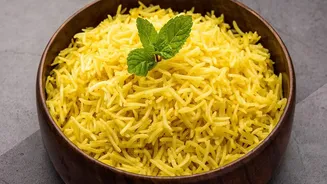
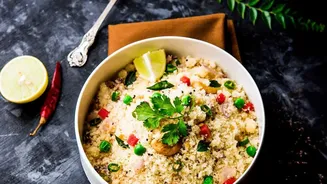
Once bloomed, the entire infusion—both the liquid and the threads—should be added to your dish, usually towards the end of the cooking process to preserve the delicate aroma. This method ensures the flavour and colour are distributed evenly. Saffron’s earthy and floral notes pair beautifully with rice dishes like paella, biryani, and risotto. Its aroma also complements dairy, making it a wonderful addition to milk-based desserts, yoghourt marinades, and ice cream. When using saffron, remember that a little goes a long way. Using too much can overwhelm a dish and introduce an unpleasant, medicinal bitterness. Start with a small amount, as you can always add more, but you can't take it away.