




What Exactly is a Phumdi?
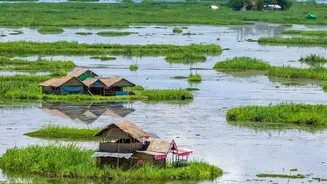
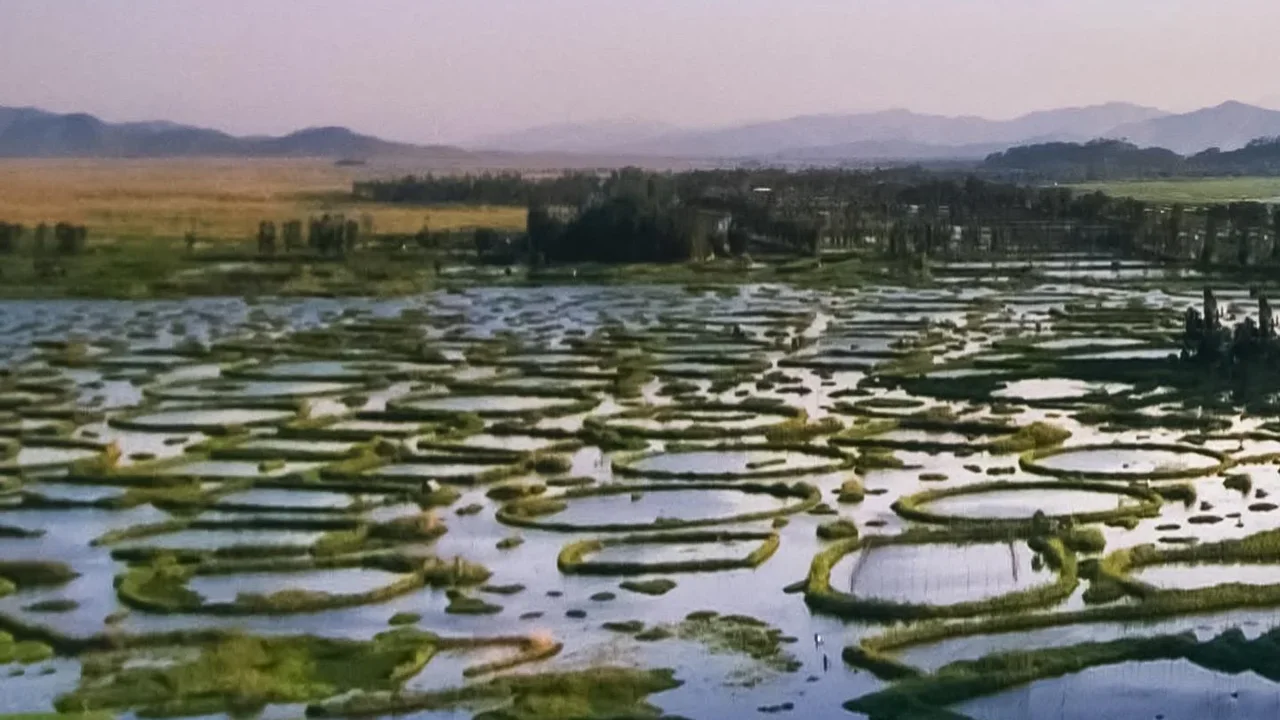
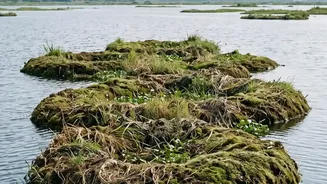
A phumdi is a unique natural phenomenon. It's a heterogeneous mass of vegetation, soil, and organic matter at various stages of decomposition, all held together by a thick tangle of roots. These islands are not just thin layers of algae; they can be up
to two metres thick, with the majority of their mass submerged like an iceberg. This composition makes them buoyant enough to float and strong enough to support homes and even a national park. Naturally, the phumdis followed a seasonal rhythm: they would sink to the lakebed during the dry season to absorb nutrients and float back up during the monsoons. This 'breathing' cycle kept them healthy and thick.
The World's Only Floating National Park
The largest and most famous of these floating islands is the Keibul Lamjao National Park, a 40-square-kilometre protected area that is the only floating national park in the world. Established as a sanctuary in 1966 and a national park in 1977, its primary purpose is to protect a single, critically endangered species: the Sangai. Often called the 'dancing deer' for its delicate gait on the spongy phumdi, the Sangai (Rucervus eldii eldii) is Manipur's state animal and is found nowhere else on Earth. Its survival is completely dependent on this unique floating habitat. The park, which also contains three small hills for refuge during high water, is a mosaic of wetland, grassland, and aquatic ecosystems.
Life on the Water
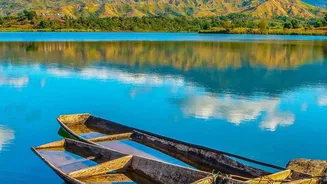
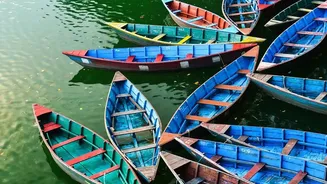
Loktak Lake is not just a natural wonder; it is the lifeline for thousands of people. Fishing communities, primarily from the Meitei group, have lived on the phumdis for generations in small huts known as 'phumshangs'. An estimated 4,000 people reside on these floating islands, their lives intricately woven with the lake's rhythms. They navigate the waters in traditional boats, and many still practice a unique form of fishing called 'athaphum', where sections of phumdi are arranged in large circles to trap fish. Beyond fishing, the lake provides food, fodder for animals, and materials for daily life, shaping the local culture, folklore, and economy.
An Ecosystem Under Pressure
Despite its beauty, the Loktak ecosystem is fragile and facing serious threats. The construction of the Ithai Barrage in the 1980s for hydropower has kept the water level high year-round. This has disrupted the natural 'breathing' cycle of the phumdis, preventing them from sinking to the nutrient-rich lakebed. As a result, they are thinning and breaking apart. Furthermore, pollution from rivers like the Nambul, agricultural runoff, and deforestation in the catchment area have degraded the water quality. This has led to a decline in native fish populations and added pressure on the livelihoods of fishing communities. Recognising these severe ecological changes, the lake was placed on the Montreux Record in 1993, a register for Ramsar wetlands in danger.