





The 2°C Red Line
The 2°C figure is not arbitrary. It is the upper limit for global warming enshrined in the 2015 Paris Agreement, which aims to keep the rise in global average temperatures to "well below 2°C" above pre-industrial levels, while pursuing efforts to limit it to 1.5°C.
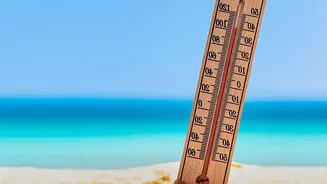
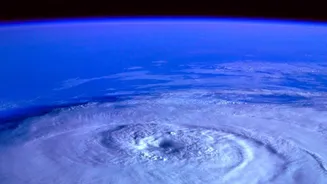
This threshold is considered a critical guardrail, beyond which the risks of catastrophic and irreversible climate impacts—such as widespread ecosystem collapse, extreme weather, and dangerous sea-level rise—increase dramatically. Scientists view it as the point where our planet's systems could be pushed into a much more unstable state. So far, the planet has warmed by about 1.2°C, and even at this level, we are witnessing more frequent and intense heatwaves, floods, and droughts worldwide.
A Temporary Breach, Not a Permanent Failure... Yet
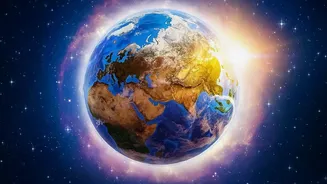
The headline's probability, which stems from projections by bodies like the World Meteorological Organization (WMO), refers to the likelihood that at least one single year in the near future (for example, between 2026 and 2030) will see its average temperature cross the 2°C mark. This is different from the Paris Agreement's long-term goal, which measures warming over a multi-decade average of 20 to 30 years. A short-term spike, potentially driven by a combination of ongoing greenhouse gas emissions and a natural climate phenomenon like a strong El Niño event, does not mean the Paris goal has been permanently broken. However, scientists are clear: it is a deafening alarm bell. Each temporary breach is a sign that we are getting measurably closer to a long-term failure and underscores the accelerating pace of global warming.
What This Means for India
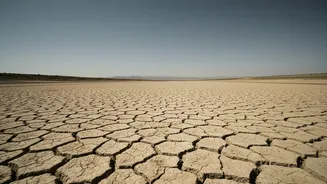
For India, a 2°C world, even if experienced briefly, is a deeply concerning prospect. The country is already considered a climate change hotspot, with over 80% of its land area and nearly 90% of its population exposed to climate hazards. A warmer world directly translates to more intense and life-threatening heatwaves, like those that have already caused immense suffering in recent years. It also means more erratic and extreme monsoon rains, leading to devastating floods in some areas and severe droughts in others, threatening agriculture, food security, and rural incomes. Furthermore, studies show that Indian cities are expected to warm even faster than surrounding rural areas due to the urban heat island effect, amplifying the health risks for millions.
Is It an Inevitable Future?
While the prospect of temporarily crossing the 2°C threshold is alarming, it is not a declaration of defeat. These scientific forecasts are based on probabilities, not certainties, and are designed to highlight the urgent need for action. The key takeaway from these reports is that the window to secure a liveable future is closing fast. Every fraction of a degree matters. Limiting warming requires deep, rapid, and sustained cuts in greenhouse gas emissions across all sectors of the global economy. The chance of a brief 2°C crossing is a warning that our current trajectory is insufficient. It signals that without more ambitious climate policies, these temporary breaches will become more frequent, eventually leading to a permanent state of higher temperatures and the catastrophic consequences that come with it.