





The Hydration Showdown
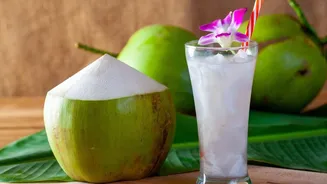
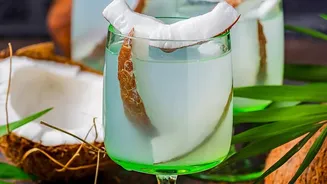
When it comes to pure hydration, both drinks are effective, but they work in slightly different ways. Coconut water is often called 'nature's sports drink' for good reason. It's packed with electrolytes, especially potassium, which is crucial for maintaining
fluid balance and preventing muscle cramps. This makes it an excellent choice for quick rehydration after light exercise or during a hot day. Buttermilk, or chaas, also hydrates effectively due to its high water content and electrolytes like potassium. Where it differs is its salt content (often added sodium), which is key for replacing what's lost through heavy sweating. For rapid electrolyte replacement, coconut water has a slight edge, but for sustained hydration, especially with meals, buttermilk is a strong contender.
A Look at the Nutrition
Nutritionally, the two drinks serve different purposes. Coconut water is significantly lower in calories. It's primarily composed of water, natural sugars, and those beneficial electrolytes. Buttermilk, on the other hand, is a fermented dairy product, making it a source of protein and calcium, which are vital for bone and muscle health. It also contains a wider range of B vitamins, including B12, and vitamin D. While coconut water offers a good dose of Vitamin C, buttermilk is superior in its content of Vitamin A. So, if you're looking for a low-calorie electrolyte boost, coconut water is your pick. If you want a more rounded nutritional profile with protein and calcium, buttermilk is the way to go.
For Your Digestive Health
This is where buttermilk truly shines. As a fermented drink, chaas is a natural source of probiotics—the beneficial bacteria that support a healthy gut. Regular consumption can aid digestion, reduce bloating, and help maintain a balanced gut microbiome, which is linked to better immunity. The lactic acid in buttermilk can also make its calcium content easier for the body to absorb. Coconut water is gentle on the stomach and its enzymes can aid digestion, but it doesn't offer the probiotic benefits that make buttermilk a digestive powerhouse. If you're looking to support your gut health, a glass of spiced buttermilk is one of the best choices you can make.
Cost, Convenience, and Culture
In India, both drinks are deeply embedded in the culture. Coconut water is the go-to street-side refresher, prized for its purity when consumed fresh. Buttermilk, especially homemade chaas, is a staple in households, often consumed with meals to aid digestion and cool the body. From a cost perspective, buttermilk is generally more economical. It can be easily and affordably made at home by diluting curd, whereas the price of fresh coconuts can vary. While packaged versions of both are available, their fresh, natural forms are considered superior in terms of health benefits. Ultimately, buttermilk is the more accessible and budget-friendly option for daily consumption in most Indian households.
The Verdict: Which is for You?
There is no single winner in this contest. The best choice depends entirely on your needs. For quick, low-calorie hydration and an electrolyte boost after a light workout, reach for coconut water. It’s your best friend for rapid replenishment on a hot, sweaty day. For a more nourishing daily drink that supports digestive health, provides a dose of protein and calcium, and cools the body, buttermilk is an excellent choice. It is particularly beneficial when consumed with meals. Many experts suggest the smartest approach is not to choose one over the other, but to incorporate both into your routine. Enjoy coconut water when you’re on the go and need a quick energy lift, and make buttermilk a regular part of your meals for its gut-friendly benefits.