

Why the Great Indoors?
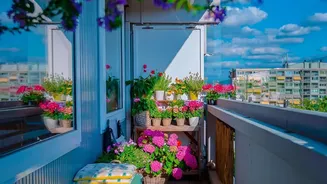
The move from spacious backyards to compact containers is driven by the realities of modern urban life. With apartments getting smaller and balconies serving as the only connection to the outdoors, space is a luxury. Yet, the desire for fresh, clean food
has never been stronger. A growing awareness of pesticides on commercially grown produce is pushing many to cultivate their own. Homegrown herbs offer an easy starting point, guaranteeing a supply of fresh, chemical-free ingredients right where they are needed most—the kitchen. Beyond the plate, this trend is also rooted in a search for well-being. The simple act of tending to plants offers a therapeutic escape from the digital saturation of daily life, reducing stress and improving mood. It’s a hobby that nourishes both body and soul.
Your First Kitchen Garden: What You'll Need
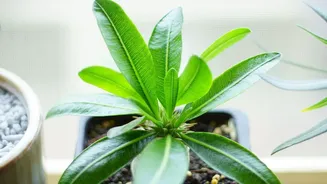
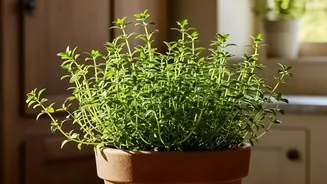
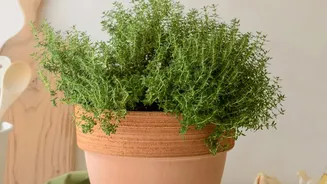
Starting an indoor herb garden is surprisingly simple and affordable. You don’t need a sprawling terrace; a sunny windowsill or a small corner on your balcony is enough. Here are the basics: Containers with drainage holes are essential to prevent waterlogging and root rot, a common mistake for beginners. Terracotta pots are a great choice as they are porous and allow soil to breathe. Next, instead of using heavy garden soil which compacts easily, opt for a light, well-draining potting mix, often containing coco peat and compost. This ensures roots get the air and moisture they need. Finally, sunlight is the most critical ingredient. Most herbs require at least four to six hours of light daily, making a south or west-facing window ideal.
Five Essential Herbs for the Indian Kitchen
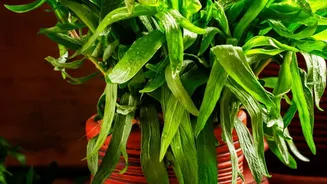
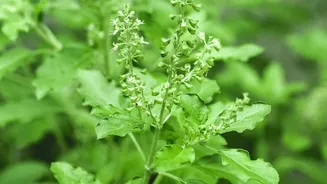
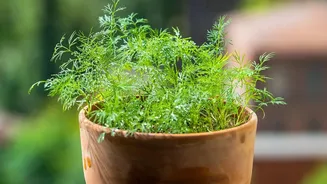
For a garden that is both beautiful and practical, start with herbs you use regularly. Mint (Pudina) is a vigorous grower, perfect for chutneys and summer drinks; it's best kept in its own pot to stop it from taking over. Coriander (Dhaniya), a staple garnish, grows quickly and can be harvested within weeks. It prefers partial shade, especially during hot summers. Holy Basil (Tulsi) is a must-have in many Indian homes for its cultural and medicinal value, thriving in sunny spots. Curry Leaves (Kadi Patta), the soul of South Indian tadka, is a small tree that does well in a larger, sun-loving pot. Lastly, Lemongrass, with its citrusy aroma, is perfect for teas and repelling mosquitoes, and it loves full sun.
Beyond the Pot: Advanced Techniques
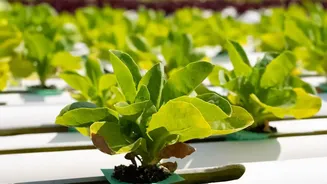
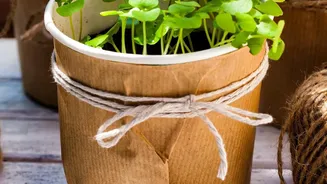
Once you've mastered the basics, a whole world of urban farming opens up. Vertical gardening techniques—using wall-mounted planters, shelves, and hanging pots—allow you to maximize your green space without cluttering the floor. Some enthusiasts are exploring microgreens, which are nutrient-dense seedlings harvested in just a couple of weeks, requiring little more than a tray on a windowsill. Hydroponics, or soil-free growing, is also gaining traction for its efficiency and cleanliness, with compact kits designed for urban kitchens becoming more available. These methods represent a deeper commitment to self-sufficiency, turning a simple hobby into a productive source of food.
Common Mistakes to Avoid
The path to a green thumb has a few common bumps. The number one mistake is improper watering. More plants die from overwatering than underwatering. Always check if the top inch of the soil is dry before reaching for the watering can. Another pitfall is choosing pots that are too small or lack drainage holes. Roots need space to grow, and excess water needs a place to escape. Also, don't overcrowd your plants. Jamming too many seedlings into one container forces them to compete for nutrients and light, resulting in weak growth. Finally, understand your light conditions. Placing a sun-loving herb like basil in a dim corner will only lead to disappointment.