





1. Understand Why Whites Turn Yellow
Before you can treat yellowing, it helps to know the cause. The most common culprits are the buildup of body oils and sweat, which can react with the aluminum in many antiperspirants to create yellow stains. Other causes include residue from using too
much detergent, mineral deposits from hard water, oxidation from long-term storage, and even the overuse of chlorine bleach, which can react with synthetic fibres and cause yellowing. Improper storage in plastic containers can also trap moisture and lead to discoloration. Identifying the likely reason will help you choose the most effective treatment and prevent it from happening again.
2. Try a Natural Lemon Juice and Sun Soak
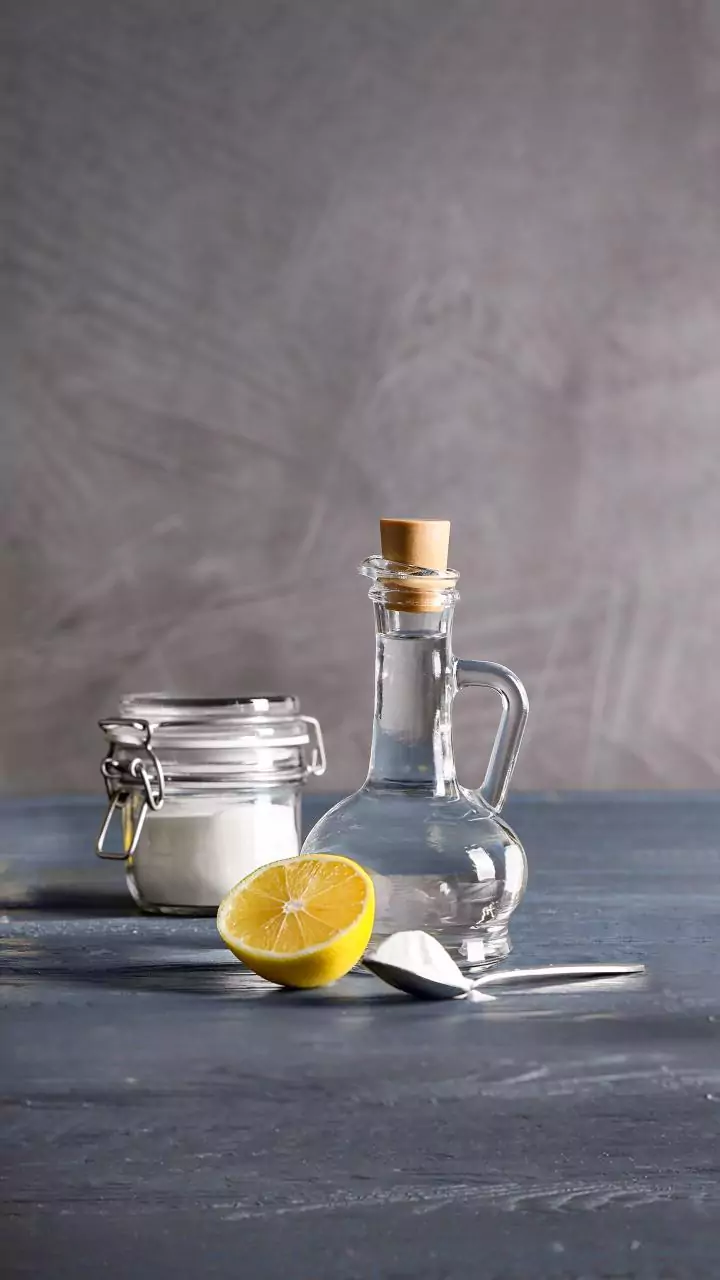
For a gentle, natural approach, look no further than lemon juice and sunlight. The citric acid in lemon acts as a natural bleaching agent. Start by filling a basin with hot water and adding the juice of one lemon. Submerge your yellowed garments and let them soak for at least an hour, or even overnight. After soaking, wash the items as you normally would. For an extra whitening boost, hang the clothes to dry in direct sunlight if the fabric care label allows. The UV rays from the sun work with the lemon juice to naturally brighten the fabric, making this an effective and chemical-free first step.
3. Use a Baking Soda and Vinegar Pre-Soak
Baking soda and white vinegar are two of the most versatile items in any household laundry arsenal. Baking soda helps to deodorise and brighten, while the acetic acid in white vinegar works to break down mineral deposits and residue. You can use them in a two-step pre-soak. First, soak your clothes in a solution of one cup of white vinegar mixed with warm water for about an hour. After the vinegar soak, create a paste of baking soda and water, apply it to any stubborn stains, and let it sit before washing. Alternatively, add a cup of baking soda directly to the washing machine drum with your detergent.
4. Harness the Power of Hydrogen Peroxide
When natural remedies aren't quite strong enough, hydrogen peroxide is an excellent next step. It's a mild, oxygen-based bleach that is much gentler on fabrics than traditional chlorine bleach. For an all-over brightening, you can add one cup of 3% hydrogen peroxide to your washing machine along with your regular detergent. For targeted stains, especially around collars and underarms, create a paste by mixing equal parts hydrogen peroxide, baking soda, and water. Apply the paste directly to the yellowed area, let it sit for about 30 minutes to an hour, and then launder as usual.
5. Opt for an Oxygen Bleach Soak
For seriously dingy or stubborn yellowing, an extended soak in oxygen-based bleach is one of the most effective methods. Unlike chlorine bleach, which can weaken fibres and sometimes worsen yellowing on certain fabrics, oxygen bleach is colour-safe and works by breaking down stains and dirt. Following the manufacturer's instructions, dissolve powdered oxygen bleach in a bucket or tub of hot water. Submerge your white garments completely and let them soak for several hours or even overnight for the best results. After soaking, drain the water and wash the clothes in a normal cycle.
6. Refine Your Washing Routine
Sometimes, restoring whites is less about a special treatment and more about optimising your regular wash habits. Always wash your white clothes in a separate load to prevent dye transfer from coloured items. Use the warmest water temperature that the fabric care label recommends, as heat helps break down oils and grime. Be careful not to overload the washer, which prevents clothes from rinsing properly and can leave behind a dirt-trapping residue. Finally, ensure you are using the correct amount of a high-quality detergent; too little won't clean effectively, and too much can leave a residue that attracts dirt.
7. Focus on Proper Drying and Storage
Once your clothes are bright and white again, keeping them that way is key. Over-drying with high heat can scorch fibres and cause them to yellow. Whenever possible, air-dry whites outside, as sunlight is a natural brightener. For long-term storage, make sure garments are completely clean and dry. Avoid storing them in plastic bags or bins, which can trap moisture and limit airflow, leading to oxidation and yellowing. Instead, use breathable cotton garment bags or store them in a cool, dark, and well-ventilated closet.