





Debunking the 'Less Nutritious' Myth
The idea that fresh is always best isn't the whole story. Fruits and vegetables are processed for canning at their peak ripeness, a moment when their nutrient profile is at its highest. The canning process, which involves quick heating and sealing, preserves
the majority of these nutrients. While some water-soluble vitamins like C and B can decrease during heating, other compounds can actually become more potent. For example, the antioxidant lycopene in tomatoes becomes more available to your body after the canning process. Furthermore, minerals, protein, fat, and carbohydrates remain largely unchanged. In fact, studies have shown that the nutritional content of canned produce is often comparable to its fresh and frozen counterparts, especially considering fresh produce can lose nutrients over time during transport and storage.
The Sodium and Sugar Factor
One of the biggest concerns with canned foods is the high sodium and sugar content. Salt is often added for flavour, not preservation, as the canning process itself keeps food safe. Thankfully, manufacturers now offer a wide array of 'no salt added' or 'low sodium' options. For fruits, look for those packed in their own juice or water instead of heavy syrup. A simple yet powerful trick is to drain and rinse your canned goods. Draining and rinsing canned beans, for instance, can reduce their sodium content by up to 41%. Reading the nutrition label is your best tool for making informed choices and keeping sodium and added sugars in check.
What About BPA?
For years, consumers have been concerned about Bisphenol A (BPA), a chemical used in the lining of some cans. BPA is an endocrine disruptor, and studies have raised questions about its potential health effects. In response to consumer pressure and advocacy, the industry has largely shifted away from its use. Today, over 95% of food cans are made with non-BPA linings. While some health experts note that the safety of all alternative linings still requires more research, the move away from BPA is a significant positive development. If you remain concerned, look for products explicitly labelled 'BPA-free' to minimise your exposure.
Building a Smart, Shelf-Stable Pantry
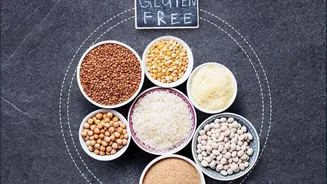
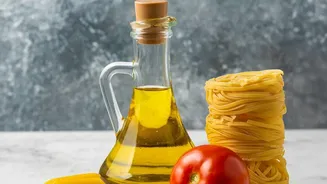
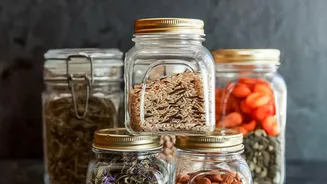
A well-stocked pantry is the foundation of quick, healthy meals. Incorporating the right shelf-stable items can save you time, reduce food waste, and even stretch your budget. Many nutrient-dense foods are readily available in canned or dried form. Key staples for a healthy Indian pantry include: Legumes: Canned chickpeas, kidney beans (rajma), and lentils are packed with protein and fibre. They are ready to be used in curries, salads, and chaats. Tomatoes: Canned diced or pureed tomatoes provide a consistent base for countless gravies and sauces. Canned Fish: Tuna and salmon are excellent sources of omega-3 fatty acids and protein. Grains and Flours: Items like rice, quinoa, and whole wheat flour are the backbone of many meals. Shelf-Stable Milk: UHT or powdered milk ensures you always have a source of calcium on hand.
Putting It All Together
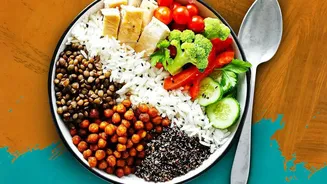
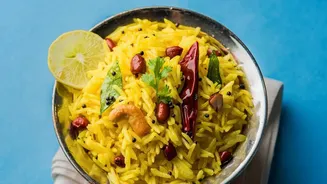
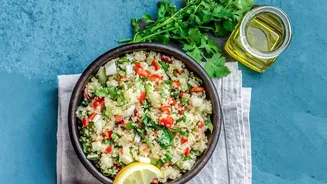
Making healthy meals from your pantry doesn't have to be complicated. Use a can of rinsed chickpeas to bulk up a vegetable sabzi or toss them into a quick salad for a protein boost. Blend canned tomatoes with ginger and garlic for an instant curry base. Canned lentils can be quickly turned into a simple dal, while canned corn can add a touch of sweetness to rice dishes or salads. The convenience of these items means a nutritious, home-cooked meal is always within reach, even on the busiest of days. The evidence suggests people who eat more canned foods can have a higher intake of fruits, vegetables, and essential nutrients compared to those who don't.