






The Initial Red Flag in Goa
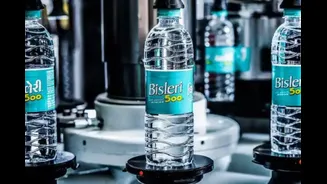
The issue began over a year ago, in September 2025, when the Food Safety and Standards Authority of India (FSSAI) collected six samples from a Bisleri manufacturing plant in Goa. During initial tests, five of the six samples were found to be compliant
with all standards. However, one sample showed a level of bromate at 12 micrograms per litre, which is slightly above the permissible limit of 10 micrograms per litre. This single non-compliant result triggered a deeper regulatory process designed to verify initial findings and ensure consumer safety.
The Role of the Referral Lab
Bisleri appealed the initial finding, a standard step for any food business operator (FBO) that disputes a primary lab's result. Following this appeal, the sample was sent to an FSSAI-notified referral laboratory for re-testing. Under Indian food safety law, the findings of this referral lab are considered final and binding. This two-step process is crucial; it provides a system of checks and balances to confirm or contest initial results before any major action, like a widespread recall, is initiated. It ensures that decisions are based on confirmed, not preliminary, evidence.
A Twist in the Test Results
The referral lab's report introduced a twist. It found that the bromate levels in the sample were actually below the prescribed limit, contradicting the initial test. However, the same lab detected another substance: polynuclear aromatic hydrocarbons (PAHs), declaring the sample unsafe on this new basis. This discrepancy—clearing the water on one count but flagging it on another—is at the heart of the ongoing discussion between Bisleri and the regulator. Bisleri has pointed out this inconsistency and has requested a re-test for PAHs.
Why 'Batch No. GO 270' Is Key
The entire regulatory action, including the prohibition of sale and sanction for prosecution, focuses exclusively on 'Batch No. GO 270', manufactured in Goa on September 27, 2025. This is the most important part of the story. Modern manufacturing relies on batch codes to trace products from the factory to the consumer. If a quality issue arises, this code allows regulators and companies to isolate the specific group of products affected without impacting others. Bisleri produces over 50,000 batches annually across its 143 plants. By isolating the issue to a single batch, the system prevents a nationwide panic and unnecessary removal of safe products from shelves.
Bisleri's Stance and Market Status
Bisleri has maintained that its water is safe, highlighting that the batch in question was produced over a year ago and is no longer in circulation. The company stated that all its plants, including the one in Goa, remain operational and compliant with FSSAI regulations. While the FSSAI has sanctioned prosecution based on the referral lab's final report on PAHs, Bisleri has emphasised its cooperation with the authorities and its own stringent quality checks, which involve over 90 tests. Meanwhile, the Goa FDA has increased its surveillance of all packaged water brands in the state as a precautionary measure.