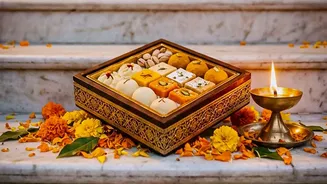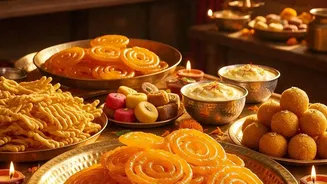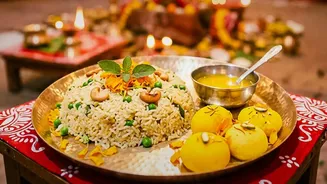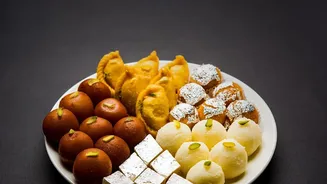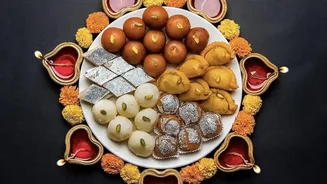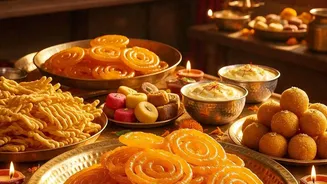





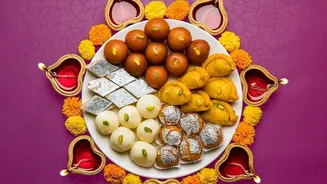
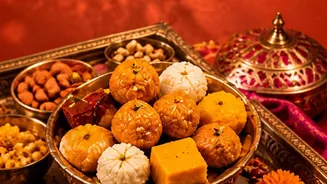
Diwali is a symphony of lights, laughter, and, of course, laddoos and barfis. But the joy of festive food often comes with a side of guilt. The good news? You don't have to choose between celebration and well-being. It is possible to enjoy every bite.
Ditch the All-or-Nothing Mindset
The festive season often triggers a cycle of extreme restriction followed by overindulgence. Nutrition experts advise against this 'all-or-nothing' approach. Setting overly strict rules can backfire, leading to stronger cravings and potential bingeing. Festivals are about community and joy, and food is an integral part of that connection. Instead of viewing certain foods as 'bad', the goal is to find a sustainable balance. Remember that your overall eating habits throughout the year matter more than a few celebratory meals. A single day of indulgence won't derail your health progress, so it's better to move on without guilt rather than trying to compensate with extreme diets the next day.
Understand Your Favourite Sweets
Knowledge is power, especially when it comes to festive treats. Traditional sweets like besan laddoos and barfis are typically made from gram flour (besan), ghee, sugar, and sometimes nuts. While they are energy-dense and high in sugar and carbohydrates, they are not entirely devoid of nutrients. For example, a single homemade besan laddoo can contain around 4-7 grams of protein. The main challenge is their high sugar content, which can cause sharp spikes in blood sugar. Understanding this allows you to enjoy them mindfully rather than demonising them. They are a source of quick energy and, when consumed in moderation, can be part of a balanced festive diet.
Practice Mindful Indulgence
Mindful eating is about being fully present and aware of your food, which can naturally help you control portions without feeling deprived. Instead of eating distractedly during conversations, take a moment to savour each bite. Chew slowly, and pay attention to the aroma, texture, and taste. This practice gives your brain time to receive signals from your stomach that you're full, helping prevent overeating. Portion control is key; use a smaller plate, share a dessert with a friend, or simply take one piece of your favourite sweet and enjoy it thoroughly. Nutritionists suggest that it's often more satisfying to eat the one treat you truly want than to sample a little of everything.
Consider Healthier Swaps and Home Preparations
When you prepare sweets at home, you control the ingredients. Many traditional recipes can be made healthier with simple swaps. You can replace refined sugar with natural sweeteners like dates, figs, or jaggery, which have a lower glycemic index and offer additional nutrients. Using whole-wheat flour (atta) or millet flours instead of refined flour (maida) adds fibre. Roasting or baking snacks instead of deep-frying them can significantly reduce the calorie and fat content. Healthier alternatives to classic sweets include dry fruit laddoos, nut-based barfis, or treats made with seeds like sesame (til), which are rich in iron and healthy fats.
Balance Your Plate and Stay Active
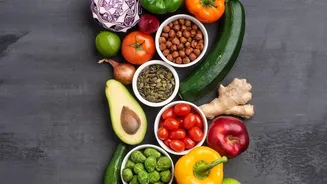
A balanced approach to festive eating involves looking at your entire day, not just the sweets. Don't skip meals to 'save calories' for a party, as arriving hungry often leads to overeating. Instead, start your day with a protein-rich breakfast and have a healthy snack like a handful of nuts before heading to a gathering. During meals, fill a good portion of your plate with vegetables, salads, and lean proteins like dal or paneer. Staying hydrated is also crucial, as thirst can sometimes be mistaken for hunger. Finally, incorporate some movement into your day. A simple 10–15 minute walk after a meal can aid digestion and help regulate blood sugar levels.