







Mexico's vibrant culture, stunning beaches, and world-class cuisine make it a perennial favorite for travelers. But how much does a dream trip to hotspots like Cancún or Tulum actually cost? Here’s a closer look at tourist-area pricing.
Understanding the 'Tourist Tax'
In many popular
destinations worldwide, a two-tiered pricing structure exists, and Mexico is no exception. This isn't usually an official tax but an informal system where prices for goods and services are higher in heavily touristed areas. A taco that costs 15 pesos at a local spot in a downtown neighborhood might be priced at 60 pesos or more in a restaurant on a main tourist strip. This 'tourist tax' or 'gringo price' is most evident in places like Cancún's Hotel Zone, Playa del Carmen's Fifth Avenue, and Tulum's Beach Road. The logic is simple: businesses in prime locations have higher rents and cater to visitors who are often willing to pay more for convenience and ambiance. Location, more than anything, dictates the price.
Cancún: A Tale of Two Budgets
Cancún offers a stark contrast in pricing between its famous Hotel Zone and the downtown area, El Centro. A mid-range traveler might spend around $135 to $166 per day. However, this figure can be misleading. Staying in the Hotel Zone means paying a premium for everything from accommodation to meals. A decent hotel room in the zone can cost $90-$140, whereas a similar standard downtown might be $50-$75. The same goes for food; a meal in the Hotel Zone can be three to five times more expensive than an equivalent local meal in Centro. Budget-conscious travelers can significantly cut costs by staying downtown, eating at local eateries, and taking the affordable R-1 or R-2 bus to the public beaches for just 12 pesos. This single decision can halve a trip's total cost.
Tulum: The Price of 'Boho Chic'
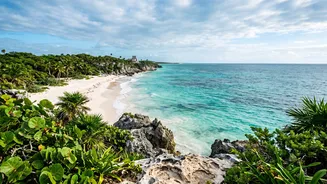
Tulum has cultivated a reputation for its stylish, eco-conscious vibe, but that aesthetic comes at a cost, particularly along its coveted Beach Road. A mid_range daily budget in Tulum can range from $150 to over $300 per person, with accommodation being the largest expense. A beachfront boutique hotel can easily run from $300 to over $800 per night, whereas a comfortable hotel in Tulum Town is closer to the $40-$90 range. This price difference extends to dining, where a $6 breakfast in town can cost $20 on the beach. Taxis are another significant expense, as the main areas—the town, the beach, and the ruins—are spread out. A few short rides can quickly add up, making a rental bike a popular and more economical choice for getting around.
Los Cabos: Luxury's Landing Spot
Los Cabos, encompassing Cabo San Lucas and San José del Cabo, is known for its luxurious resorts, world_class golf, and high_end dining. While it is possible to visit on a tighter budget, it is generally considered one of Mexico's pricier destinations. A mid_range trip for two people for a week can cost around $3,700 before flights, with a daily per_person average of about $231. This typically includes a hotel room around $272 per night and daily food expenses of $112. Budget travelers might manage on about $100 to $150 per person daily by staying in more modest accommodations away from the main resort areas and eating at local taquerias. However, the area's popularity and easy access for North American tourists help keep demand and prices high.
How to Travel Smarter and Save
Regardless of the destination, a few key strategies can help you manage costs. The most effective is to venture just a few blocks away from the main tourist thoroughfares. Prices for food, drinks, and souvenirs often drop dramatically. Using local transportation like colectivos (shared vans) or public buses instead of taxis can save a significant amount of money. When possible, pay in Mexican pesos rather than US dollars, as the exchange rates offered by vendors are rarely favorable. Finally, consider traveling during the shoulder seasons—months like May, September, and October—when accommodation rates can be 30–40% lower and crowds are thinner. Planning ahead and prioritizing what experiences matter most to you will ensure you spend your money on memories, not just convenience.