





That bag of multigrain atta sits in your pantry, a well-intentioned purchase for healthier rotis. But what if it could be the star of a quick, comforting, and incredibly versatile breakfast? Enter multigrain porridge, a game-changer for your mornings.
Beyond the Bread Basket
Many of us buy mixed-grain flours, like multigrain atta or individual packets of millet flour, with the best of intentions. We plan to make wholesome rotis, parathas, or baked goods. Yet, often these flours get pushed to the back of the cupboard. Multigrain porridge offers a fantastic and simple way to put these nutritious ingredients to good use. Known traditionally in many parts of India as 'kanji' or 'ganji', this humble dish is more than just a frugal meal; it's a powerhouse of nutrition that can be adapted to any palate. By reimagining mixed flour as the base for a porridge, you unlock a breakfast that is not only quick to prepare but also a welcome departure from the usual toast or oats.
A Nutritional Powerhouse in a Bowl
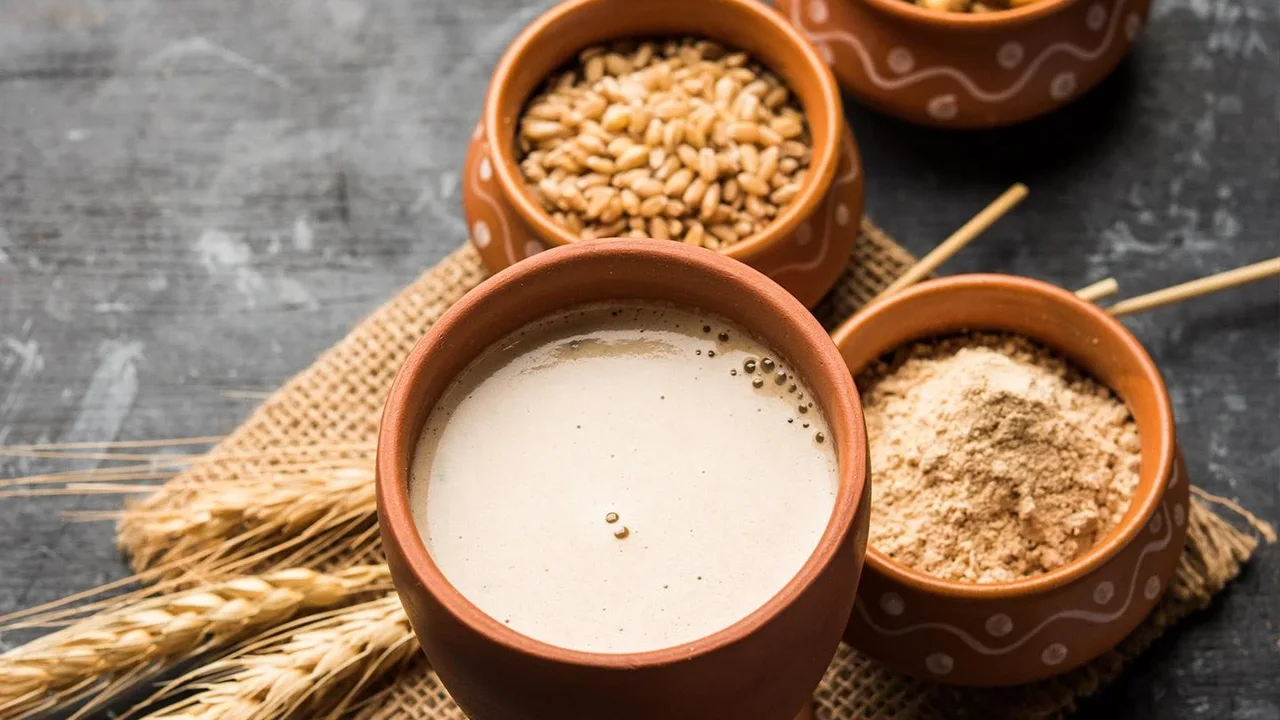
The primary benefit of using a multigrain flour blend is the diverse nutritional profile it offers. Flours made from millets like ragi (finger millet), jowar (sorghum), and bajra (pearl millet) are naturally rich in dietary fibre, protein, and essential minerals. Ragi, for instance, is a celebrated source of calcium, vital for bone health. Jowar is packed with fibre that aids digestion and can help in managing blood sugar levels. The complex carbohydrates in these grains provide slow-release energy, keeping you feeling full and energised throughout the morning, thus helping to manage weight and prevent mid-day slumps. This combination of nutrients makes multigrain porridge an excellent choice for everyone, from growing children to adults seeking a healthier lifestyle.
Your Foolproof Porridge Formula
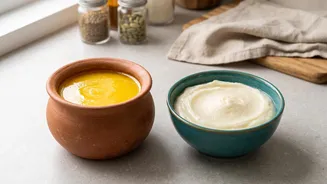
Making multigrain porridge is simpler than you think. The key is to start with a lump-free paste. The basic ratio is roughly one part flour to four or five parts liquid, which can be water, milk, or a combination of both. First, take your desired amount of multigrain flour in a saucepan. Add a small amount of cold water or milk and whisk vigorously to form a smooth, thick paste. This initial step is crucial to prevent lumps from forming when you add more liquid. Once you have a smooth paste, gradually stir in the rest of your liquid. Place the pan over medium heat and bring it to a simmer, stirring continuously. The porridge will begin to thicken in about 5 to 7 minutes. Cook until it reaches your desired consistency, remembering that it will thicken further as it cools.
Choose Your Flavour Adventure
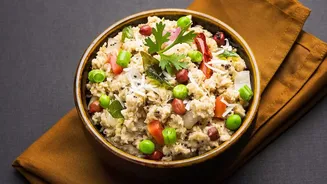
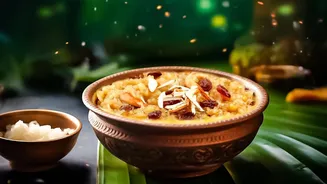
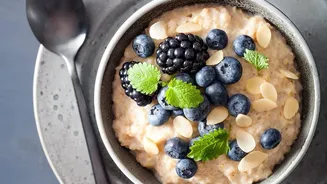
The true beauty of multigrain porridge lies in its versatility. It can be prepared as a sweet or savoury dish, making it suitable for any craving. For a sweet version, add a natural sweetener like jaggery, a sprinkle of cardamom powder, and top with chopped nuts, seeds, and fresh fruits like banana or mango. This creates a wholesome and satisfying breakfast that feels like a treat. For a savoury twist, which is a popular breakfast style in India, prepare the porridge with water or buttermilk and a pinch of salt. You can elevate it by adding a simple 'tadka' (tempering) of mustard seeds, cumin seeds, and curry leaves in a little ghee or oil. Finely chopped vegetables like onions, carrots, and peas can also be sautéed and added to the porridge for a complete and flavourful meal.
Tips for a Perfect Consistency
To get the most flavour out of your flour, try dry-roasting it in a pan over low heat for a few minutes until it becomes aromatic before you start. This adds a lovely nutty depth to the final dish. If your porridge becomes too thick, simply whisk in a little more milk or warm water until you reach the consistency you like. Conversely, if it’s too thin, let it simmer for a few more minutes to allow more liquid to evaporate. Don’t be afraid to experiment with the flours themselves. You can buy pre-mixed multigrain atta or create your own blend using individual flours like ragi, jowar, bajra, oat, and even a little gram flour (besan) for a protein boost. Each grain brings its own unique texture and health benefits.