



A Route of Beauty and Peril
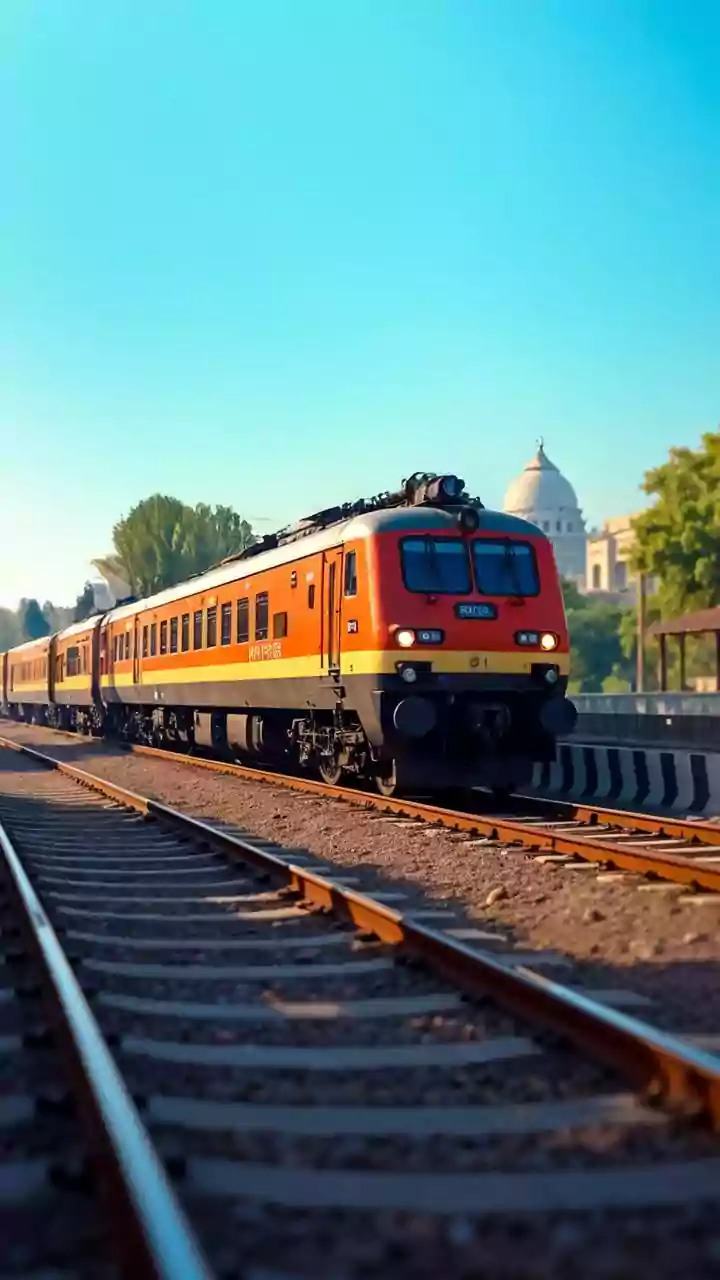
Stretching over 740 kilometres from Maharashtra to Karnataka, the Konkan Railway line is a journey of breathtaking vistas. It navigates a path of 91 tunnels and countless bridges, cutting through a geographically volatile landscape of mountains and rivers.
This terrain, however, makes it uniquely vulnerable during the annual southwest monsoon. From June to October, the region is battered by intense rainfall, which triggers frequent landslides, boulder falls, and waterlogging in tunnels. While the corporation has made massive strides in safety, with geo-safety works substantially reducing major incidents over the last decade, the monsoon season remains a period of significant operational challenge. For passengers, this often translates to frustrating delays, diversions, and last-minute cancellations.
Decoding the 'Seasonal Buffer'
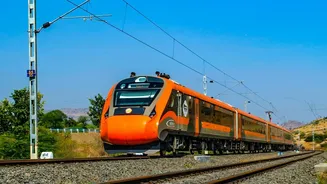
To manage these risks, Konkan Railway implements an annual 'Monsoon Timetable', typically from mid-June to late October. This special schedule is, in essence, a massive seasonal buffer designed for safety and resilience. The term 'buffer' here isn't the physical shock absorber between coaches, but a buffer in the schedule itself. Loco pilots are instructed to significantly reduce speed, sometimes to as low as 40 km/h in vulnerable sections or during heavy downpours. This safety-first approach naturally extends journey times. For example, under the 2026 monsoon schedule, the Mumbai-Madgaon Vande Bharat Express's journey is extended by nearly three hours. In addition to speed restrictions, the frequency of some popular services, like the Tejas Express, is also reduced to de-congest the line.
The Problem with the Current System
While the monsoon timetable prioritises safety, it creates a ripple effect of inconvenience. The slower speeds and reduced frequencies can lead to what some passenger associations call an 'artificial shortage' of available trains, creating headaches for regular commuters and tourists alike. Furthermore, communication gaps can mean travellers are caught unaware by preponed or delayed departures, sometimes arriving at the station to find their train has already left. Despite the best efforts—including deploying over 650 patrol staff and stationing emergency response teams at key locations—a single major landslide can still bring traffic to a standstill for over 15 hours, causing system-wide chaos. This reveals that while the current buffer helps, it may not be robust enough to absorb the severe shocks the monsoon often delivers.
Making the Case for Larger Buffers
This is where the argument for 'larger' seasonal buffers comes in. It is not just about slowing trains down, but about fundamentally redesigning the service for seasonal resilience. A larger buffer would mean building even more slack into the timetable, creating a schedule that can withstand a significant, multi-hour blockage without a total collapse. It could involve planning for fewer, but more reliable, long-distance services during the peak monsoon. This approach trades theoretical speed for practical predictability. It also means investing more in proactive communication, ensuring schedule changes are broadcast widely and effectively to prevent passengers from being stranded. The goal is to move from a reactive system that manages disruptions to a proactive one that anticipates and absorbs them.
The Passenger Payoff: Reliability Over Speed
For the average passenger, a journey that is predictably 90 minutes longer is far better than one that is unpredictably cancelled or delayed by eight hours. A more robustly buffered system promises a calmer, more dependable travel experience during the monsoon. It reduces the anxiety of planning travel on a route known for its seasonal volatility. With continued infrastructure upgrades, including the doubling of key track sections to improve capacity, a more resilient timetable becomes increasingly feasible. By embracing a philosophy that prioritises certainty and reliability, the Konkan Railway can ensure that its magnificent journey remains a pleasure, not a gamble, even in the heart of the monsoon.