


A New Era of Propulsion
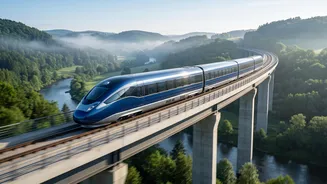
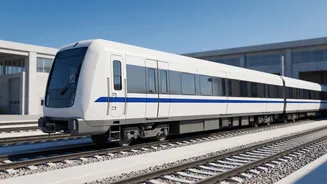
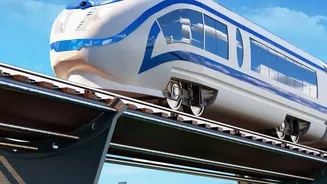
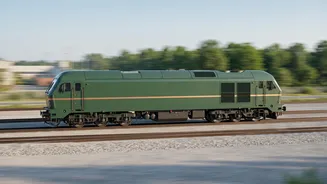
Indian Railways has officially entered the age of natural gas, marking a significant milestone in its long history. The innovation comes in the form of a retrofitted passenger train, specifically a Diesel Electric Multiple Unit (DEMU), which now runs
on a combination of Liquefied Natural Gas (LNG) and diesel. This project represents the first time Indian Railways has utilized LNG to power its locomotives, specifically in the Driving Power Cars that house the engine and drive the train. While electrification remains the ultimate goal for the network, a large portion of the fleet still relies on diesel. This dual-fuel solution presents a revolutionary bridge to a cleaner future, allowing the railway to modernize its existing assets without replacing them entirely. This initial conversion is more than just a test; it is a statement of intent, signalling a strategic shift in how India powers its most crucial transport network.
How the Dual-Fuel System Works
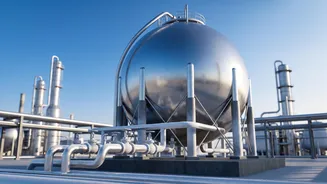
So, how exactly does a train run on both diesel and gas? The technology is a clever blend of old and new. The existing diesel engine is not removed but modified with a special kit. The star of the show is Liquefied Natural Gas (LNG), which is natural gas that has been cooled to a frigid -162°C, turning it into a clear, colourless liquid. In this state, it takes up about 600 times less space, making it feasible to store on a train. The dual-fuel system works through a process called 'fumigation'. The LNG is warmed back into a gaseous state and mixed with air before being fed into the engine's cylinders. A small amount of diesel is then injected, acting as the spark plug that ignites the potent air-gas mixture. This allows the engine to run primarily on natural gas, using diesel only for ignition. The result is an engine that maintains its power and performance while drastically changing its fuel consumption profile and environmental footprint.
The Twin Benefits: Cost and Climate
The switch to LNG is driven by two powerful motivators: significant cost savings and major environmental benefits. LNG is considerably cheaper than diesel, and by substituting a large portion of diesel consumption with natural gas, Indian Railways stands to reduce its operational expenditure substantially. Early estimates from development trials suggest potential fuel cost savings of up to 40 percent. This is a game-changer for an organization with a massive fuel bill. On the environmental front, the gains are just as impressive. Natural gas is the cleanest-burning fossil fuel. Its use in locomotives is projected to cut carbon dioxide emissions significantly while virtually eliminating harmful particulate matter and reducing nitrogen oxide emissions. For a country battling air pollution, transitioning one of its largest diesel consumers to a cleaner alternative is a monumental step forward, promising cleaner air for communities living near railway lines.
Part of a Grander Vision
This LNG-powered train is not an isolated experiment but a key component of Indian Railways' ambitious 'Mission Net Zero Carbon Emission by 2030'. The national transporter has adopted a multi-pronged approach to decarbonize its operations, and this initiative perfectly complements its primary strategy of 100% electrification. While electrifying the entire network is the end goal, it is a capital-intensive and time-consuming process. In the interim, thousands of diesel locomotives remain in service. Retrofitting them with dual-fuel LNG kits provides a practical and immediate way to reduce emissions and costs across the non-electrified parts of the network. This move demonstrates a pragmatic approach, leveraging innovative technology to make existing infrastructure cleaner and more efficient while the long-term electrification project continues. It shows that the path to a green railway involves not just one big solution, but many smart ones working in tandem.
The Road Ahead for LNG
The successful launch of the first LNG-powered train opens up a promising new chapter, but a full-scale rollout will require careful planning and investment. The primary challenge lies in creating the necessary infrastructure. A network of LNG storage and refuelling stations will need to be established across the country to support a fleet of dual-fuel locomotives. This involves complex logistics, from sourcing the LNG to ensuring its safe handling and distribution to remote railway depots. The performance and reliability of these retrofitted engines will be monitored closely in real-world operating conditions to validate the technology for wider adoption. If the pilot phase proves successful, Indian Railways could potentially convert a significant portion of its diesel fleet in the coming years. This would not only accelerate its journey to net-zero but also position it as a global leader in sustainable railway innovation.