



Why Go Natural with Beetroot?
In a world of complex chemical dyes, many are seeking gentler, kitchen-based alternatives. Beetroot stands out for its vibrant natural pigments, known as betalains. These compounds provide a rich reddish-purple hue that can temporarily stain the outer
layer of the hair. Unlike permanent dyes that open up the hair cuticle to deposit colour, a beetroot mask acts as a gentle gloss, coating the strands without causing chemical damage. This makes it an excellent option for those with sensitive scalps, damaged hair, or anyone wanting to experiment with a subtle colour change that is not permanent.
Your Simple Beetroot Mask Recipe
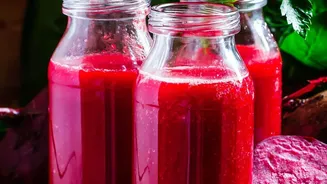
Creating your own beetroot hair mask is simple and requires only a few ingredients. You will need one or two fresh beetroots and a carrier oil like coconut or olive oil. 1. Prepare the Juice: Peel and chop the beetroots. Use a juicer or a blender to extract the juice. If using a blender, you may need to add a small amount of water to create a smooth paste, then strain it through a cheesecloth or fine sieve to separate the pulp. 2. Mix with Oil: In a bowl, combine the fresh beetroot juice with two to three tablespoons of your chosen carrier oil. The oil adds moisture, helps the mask spread more easily, and can give your hair extra shine. Mix until you have a consistent, smooth paste.
How to Apply for the Best Tint
Application can be messy, so it's wise to prepare. Wear an old t-shirt and apply petroleum jelly along your hairline, ears, and neck to prevent skin staining. It's also best to wear gloves. Start with clean, dry or slightly damp hair. Section your hair and apply the mask evenly from roots to tips using an applicator brush or your fingers. Ensure all strands are thoroughly coated. Once applied, pile your hair on top of your head and cover it with a shower cap or plastic wrap to lock in heat and moisture, and to prevent drips. Let the mask sit for at least one to two hours; some users leave it on longer for a deeper tint. Finally, rinse your hair thoroughly with cool water until the water runs clear. It's best to avoid shampooing for at least 24 hours to allow the colour to set.
Colour Results vs. Growth Claims
It's crucial to set realistic expectations. The primary, verifiable benefit of a beetroot hair mask is its ability to impart a temporary colour tint. On light brown or blonde hair, the result can be a noticeable reddish or pinkish hue. On darker hair, the effect is more subtle, often appearing as a reddish-burgundy sheen that is most visible in direct sunlight. This colour is semi-permanent and will typically fade after a few washes. Claims about hair growth are more theoretical. Beetroot is rich in nutrients like iron, folate, and vitamin C, all of which are essential for healthy hair. Some theories suggest that applying these nutrients topically and improving scalp circulation can support hair follicles. However, there is limited direct scientific evidence or clinical trials to prove that a beetroot mask can stop hair loss or significantly speed up hair growth. The nutrients are most effective when ingested as part of a balanced diet. Therefore, view the mask as a colouring and conditioning treatment first, with any scalp benefits being a potential bonus rather than a guaranteed outcome.