





A Taste of India in Orbit
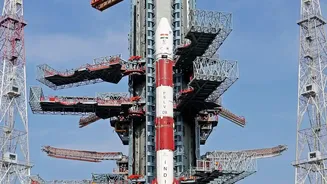
When Indian astronaut Shubhanshu Shukla travelled to the International Space Station (ISS), he didn't go alone. He carried with him a small but significant piece of home: specially prepared Indian food. After a rigorous selection and testing process,
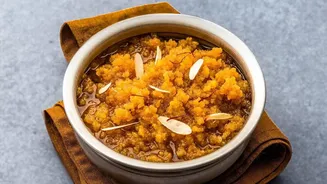
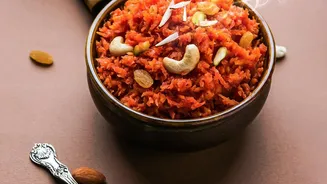
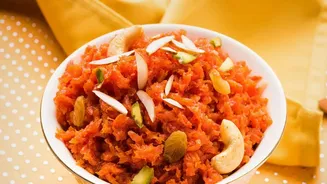
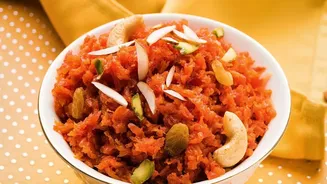
three dishes were certified for his flight: Gajar ka Halwa, Moong Dal ka Halwa, and Aamras (mango pulp). These familiar tastes represented a milestone, showcasing India's capability to send not just its astronauts but also its culture into the final frontier. The effort was led by the Mysuru-based Defence Food Research Laboratory (DFRL), an organisation under the DRDO, which has been developing an extensive menu for India's ambitious Gaganyaan human spaceflight mission.
The Ultimate Culinary Challenge
Sending food to space is far more complex than just packing a tiffin box. The environment of a spacecraft demands that food meets incredibly strict criteria. First, it must have a long shelf life—often over a year—without refrigeration. Second, it must be lightweight and low in volume to save precious cargo space. Third, and perhaps most critically, it must be safe to eat in microgravity. Floating crumbs or liquid droplets aren't just messy; they can damage sensitive equipment or be inhaled by astronauts. This is why foods must be low-fragmentation, meaning they don’t crumble easily. The meals also need to be nutritionally balanced, easy to digest, and often less spicy than their earthly counterparts to suit an astronaut's altered sense of taste in space.
From Kitchen to Clean Room
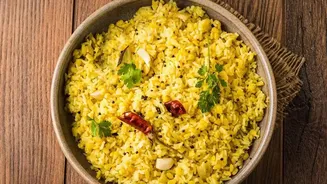
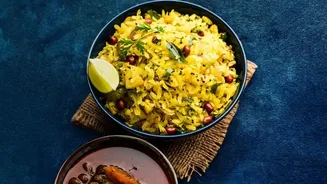
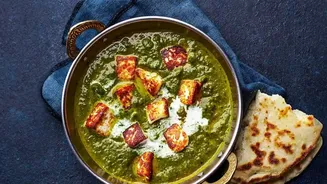
So, how did DFRL make dishes like halwa ready for orbit? The process involves advanced food science. Many dishes planned for the Gaganyaan mission, including pulao, idli-sambar, and dal, are transformed using technology like retort processing. This sterilisation method uses high heat and pressure to make food safe for long-term storage in specially designed pouches. For a dish like halwa, scientists ensure it has the right consistency—thick enough not to float apart but still palatable. Water is removed from many items to make them lighter (dehydrated), and astronauts add it back in orbit using a special station. Even drinking liquids requires special containers to manage them in zero gravity. According to Shukla, time constraints were a major reason only three of the many prepared dishes could complete the exhaustive qualification tests for his mission.
More Than Just a Meal
The effort to get Indian food into space goes beyond science and logistics; it's about psychology. For astronauts confined in a small space millions of miles from home, familiar food is a powerful source of comfort and a morale booster. It provides a connection to Earth and culture, mitigating the stress of isolation. Many space agencies, from NASA to Roscosmos, allow astronauts to have a selection of 'bonus foods' from their home countries for this very reason. Shukla mentioned that while in orbit, he started craving salty and spicy flavours, a common experience as fluid shifts in the body can dull the sense of taste. Upon his return, he was greeted with banana chips and bhakarwadi, a simple yet deeply satisfying taste of home.