


Why Go Retro?
In a world of minimalist and often uniform design, retro patterns offer a direct line to nostalgia and individuality. These prints, born from the expressive cultural shifts of the 1960s, 70s, and 80s, carry a story. They can make a space feel warmer,
more personal, and curated rather than just decorated. A retro accent wall does more than just fill a space; it injects a specific mood, whether it's the free-spirited energy of the seventies or the bold optimism of the sixties. This return to pattern is a reaction to years of stark minimalism, reflecting a collective craving for homes that feel soulful and tell a story.
The Swinging Sixties: Bold and Graphic
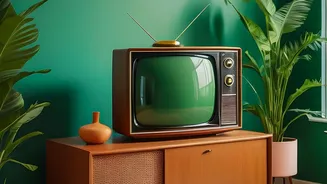
The 1960s were a decade of dramatic social change, and its design sensibility reflected that energy. Patterns were loud, optimistic, and often geometric. Think pop art-inspired prints, psychedelic swirls, and oversized floral motifs in vibrant, contrasting colours. Signature palettes included mustard yellow, avocado green, and burnt orange, often paired with teak or walnut furniture. For a modern home, a 60s-inspired accent wall can be a fantastic focal point behind a sleek, low-profile sofa. You can choose large-scale geometric prints for a bold statement or more controlled, graphic patterns for a subtler nod to the mid-century era.
The Earthy Seventies: Warm and Expressive
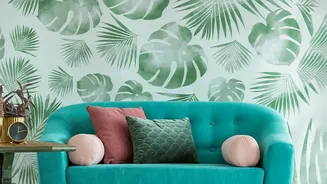
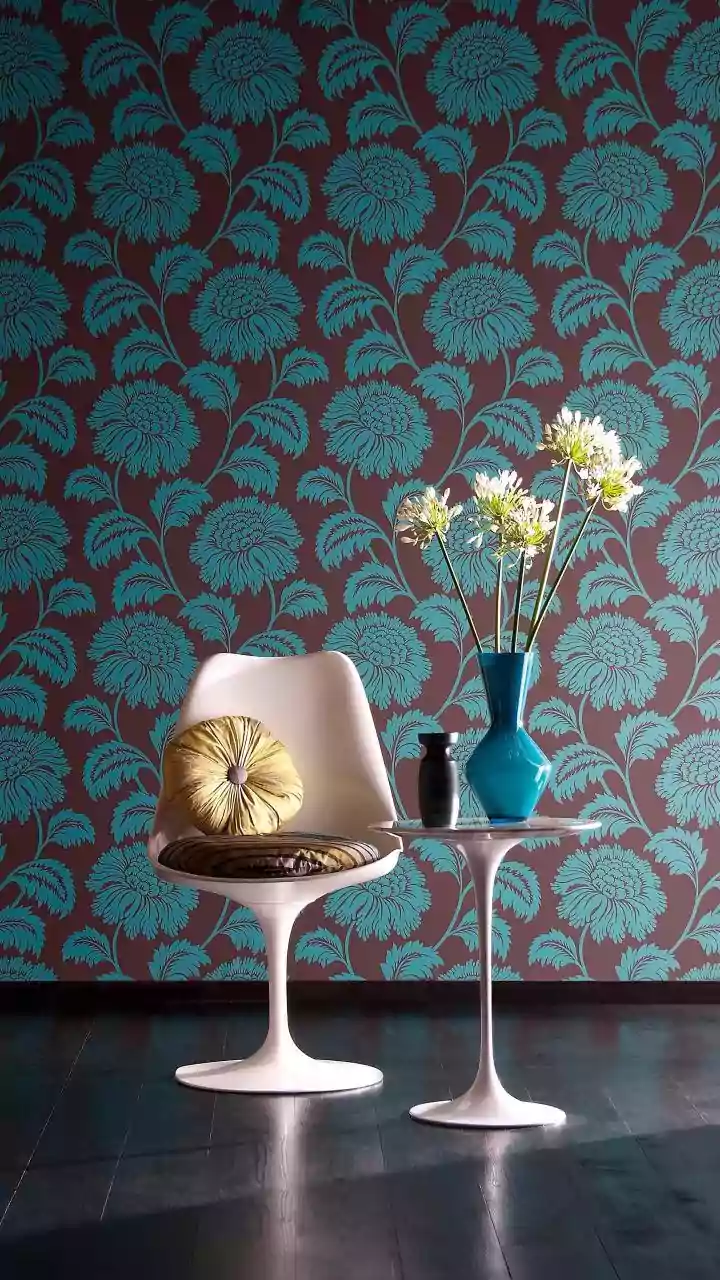
The 1970s aesthetic softened the hard edges of the 60s, leaning into warmer, earthier tones. This era embraced patterns inspired by nature and global cultures, such as large-scale florals, paisley, and intricate botanicals. The defining colours were harvest gold, avocado green, rust, and rich chocolate browns, which created a grounded, inviting atmosphere. A 70s-style accent wall can bring incredible warmth to a living room or bedroom. These patterns pair beautifully with natural textures like rattan, macramé, and shag rugs, creating a cosy, bohemian vibe that feels both expressive and relaxed.
The Eclectic Eighties: Playful and Postmodern
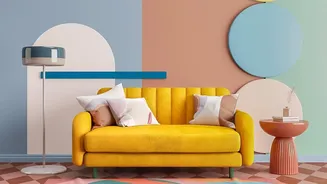
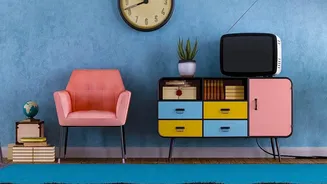
The 1980s were defined by a rebellious and playful design movement known as the Memphis Group. This style is characterized by its use of bold, often clashing colours, simple geometric shapes like triangles and grids, and whimsical squiggles or spirals. Laminate and terrazzo were popular materials, and patterns were anything but shy. An 80s-inspired accent wall is perfect for someone looking to make a truly daring statement. The key is to treat the wall like a piece of art, balancing its chaotic energy with more subdued furniture. The style is unapologetically fun and works well in creative spaces, home offices, or anywhere you want a jolt of high-energy design.
Finding the Right Application
Once you've chosen an era, you need to decide how to apply the pattern. Wallpaper is the most common method, and modern options have made it more accessible than ever. Peel-and-stick wallpapers are ideal for renters or those who like to change their decor frequently, as they can be applied and removed without damaging the wall. For a more permanent solution, traditional paste-the-wall wallpaper offers a wider range of textures and finishes. If wallpaper feels too committal, consider using large-scale stencils to paint a repeating pattern. This allows for complete colour customisation and can be a cost-effective DIY project.
Achieving Balance in the Room
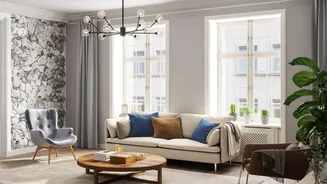
A bold accent wall is a statement piece, and it needs visual breathing room to truly shine. To avoid overwhelming the space, keep the surrounding walls in a neutral colour. Pull secondary, more subtle colours from your chosen pattern and use them for accessories like cushions, throws, or a rug. This creates a cohesive look that guides the eye around the room. It's also important to balance pattern with texture. If your wall is visually busy, opt for solid-coloured furniture and introduce texture through different materials like velvet, linen, or wood to create a rich, layered feel without the chaos of competing patterns.