




A Brief History of a Beloved Pie
While meringue-topped fruit desserts appeared in France as early as the 18th century, the lemon meringue pie as we know it is largely a 19th-century American innovation. Philadelphia pastry chef Elizabeth Goodfellow is often credited with popularizing
the concept by adding a fluffy meringue topping to her already famous lemon puddings and pies. By the 1860s, recipes for 'lemon cream pie', as it was often called, began appearing in cookbooks across the United States, solidifying its place in the dessert canon. The idea was simple yet revolutionary: use the leftover egg whites from the yolk-rich custard to create a light, airy crown, transforming a simple lemon pie into a showstopper.
The Foundation: A Crisp, Buttery Crust
Every great lemon meringue pie begins with its base. The crust is the foundation, providing not just structure but also a crucial textural contrast to the soft layers above it. Whether it's a classic flaky pastry or a crumbly graham cracker crust, its purpose is to be a sturdy, savoury counterpoint. A common challenge for bakers is the dreaded 'soggy bottom'. To prevent this, the pie shell should be pre-baked, or 'blind-baked', until golden brown and crisp. This creates a barrier that stands up to the wet filling. Some bakers even brush the unbaked crust with an egg white wash to create an extra layer of protection, ensuring every slice has that satisfying crunch from the first bite to the last.
The Soul: A Rich and Tangy Lemon Filling
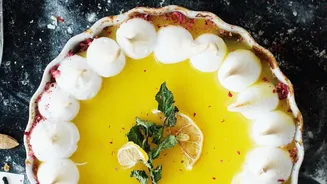
The heart of the pie is its vibrant, tart lemon filling. This is where the dessert gets its bold personality. Made from egg yolks, sugar, fresh lemon juice, and lemon zest, the filling is a rich custard cooked gently on the stove. The key is achieving the perfect balance between sweet and sour, a bright, citrusy flavour that makes your mouth water without being overwhelmingly sharp. Cornstarch or flour is typically used as a thickener, which requires careful cooking to ensure the filling sets properly once cooled. If undercooked, the filling can be runny; if overcooked, it can curdle or become rubbery. When done right, the result is a silky, smooth, and intensely flavourful layer that defines the pie's character.
The Crown: A Cloud of Sweet Meringue
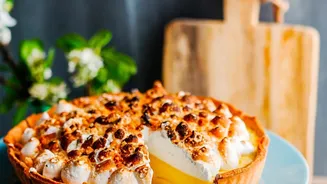
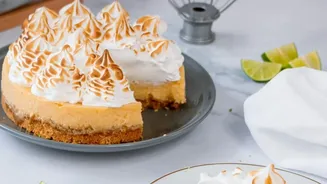
The final, most dramatic element is the glorious meringue topping. This isn't just for decoration; it provides a vital textural and flavour balance. Made from whipping egg whites with sugar, the meringue's sweetness offsets the lemon's tartness. There are several types of meringue, but for pies, a stable Swiss or Italian meringue—where sugar is dissolved or cooked before being whipped with the whites—is often preferred because it's less likely to weep or shrink. Adding an acid like cream of tartar helps stabilize the egg whites, allowing them to whip up into a greater, more stable volume. The meringue is spread over the hot filling, which helps cook the bottom and seal it to the pie, preventing it from sliding off when sliced. A quick trip under a broiler or a pass with a kitchen torch creates those iconic browned peaks, adding a toasted, marshmallow-like flavour and a delicate crispness to the airy foam.
A Symphony of Sensations
The enduring genius of lemon meringue pie lies in this combination of contrasts. Each spoonful delivers a complex sensory experience. You get the crunch of the pastry, the smooth, cool creaminess of the tart lemon curd, and the light, airy sweetness of the warm, toasted meringue. It’s a dessert that engages the entire palate. The richness of the egg-yolk custard is cut by the acidity of the lemon. The sweetness of the meringue is balanced by the savoury notes of the buttery crust. This masterful interplay of flavour and texture is why it has remained a beloved classic for over 150 years, gracing family dinner tables and restaurant menus alike. It is a testament to the idea that in cooking, sometimes the most memorable creations are born from perfect balance.