

The Classic Rasmalai Experience
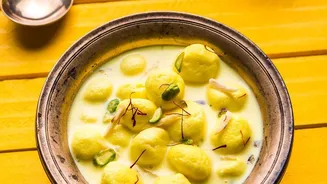
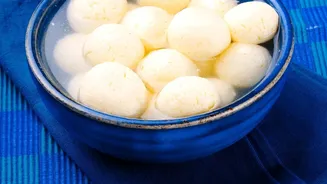
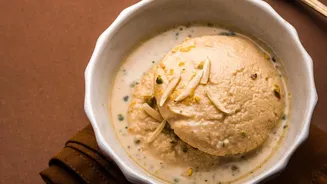
At its heart, a perfect rasmalai is a study in texture. It hinges on the delicate, melt-in-your-mouth quality of the chenna (cheese curd) patties. These patties are traditionally soft, spongy, and porous, designed to soak up every drop of the sweet, fragrant
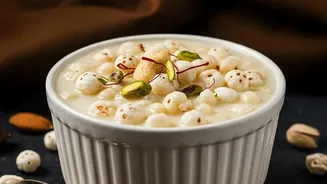
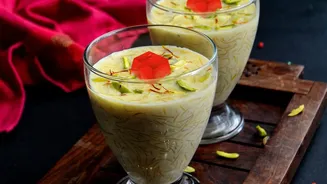
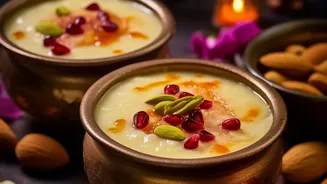
milk or rabri they are immersed in. The goal for any home cook is to achieve that perfect balance where the chenna is neither rubbery nor crumbly, but yields gently with every spoonful. The rabri itself is a crucial counterpart—creamy, rich, and often scented with cardamom and saffron, it coats the chenna discs, creating a harmonious and luxurious dessert. The success of rasmalai lies in this interplay between the spongy discs and the thickened, flavourful milk.
The Sabudana Secret
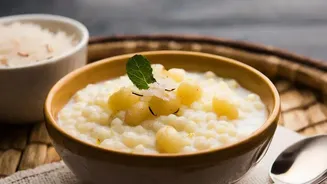
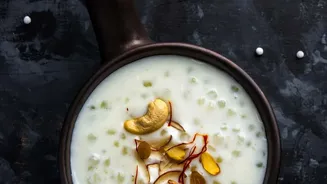
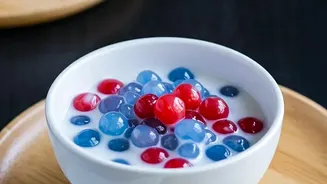
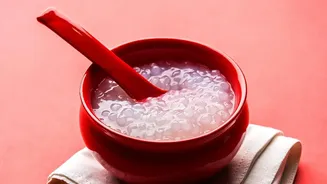
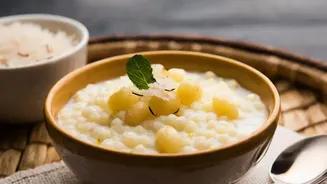
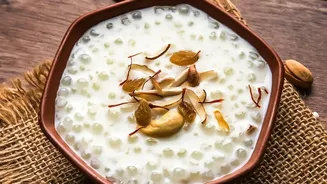
Enter sabudana, or tapioca pearls, a staple in many Indian households, often associated with fasting dishes like khichdi or kheer. These small, white pearls are derived from the starch of the cassava root. When soaked and cooked, they undergo a magical transformation, becoming translucent, soft, and slightly chewy. This process releases starch, which is a natural thickening agent. In dishes like sabudana kheer, this property is used to create a creamy, almost custard-like consistency without the need for other thickeners. It’s this unique combination of providing a soft, chewy bite and a silky, thickening quality that makes sabudana a fascinating addition to other desserts.
A Surprising Fusion of Textures
When soaked sabudana is introduced to rasmalai, it doesn’t replace the chenna but rather enhances the overall experience in two significant ways. Firstly, the cooked tapioca pearls, either left whole or coarsely ground, add a delightful new textural element. Imagine the classic soft chenna punctuated by small, soft, and slightly gelatinous pearls. This creates a more complex mouthfeel—a gentle chewiness that contrasts beautifully with the spongy softness of the chenna. Some innovative recipes even form the 'rasmalai' discs entirely from a cooked and shaped sabudana mixture. Secondly, as the sabudana simmers with the milk to create the rabri, it releases its starch, naturally thickening the liquid. This results in a richer, creamier, and more luscious rabri that clings beautifully to the chenna discs. Instead of a potentially thin milk base, you get a rabri with substantial body and a silky smoothness, often reducing the need for lengthy simmering or the addition of other thickening agents like cornflour or milk powder.
How to Get It Right
Incorporating sabudana into your rasmalai is straightforward, but a few tips will ensure success. The key is to use soaked sabudana. Rinse the pearls until the water runs clear to remove excess surface starch, then soak them for at least a few hours until they are soft. For adding texture to the rabri, you can add the soaked and drained pearls directly to the milk as it simmers. Stir frequently to prevent them from clumping at the bottom of the pan. The pearls are cooked when they turn translucent. You can also make 'rasmalai' balls from a ground mixture of soaked sabudana, sugar, and milk powder, which are then gently cooked in the sweetened milk. Be careful not to boil aggressively, as this can cause the delicate pearls or sabudana balls to break apart. A gentle simmer is all that is needed to achieve that perfect integration of flavour and texture.