




Why Monsoon Wreaks Havoc on Skin
The shift from scorching summer to humid monsoon can be a shock for your skin. The increased moisture in the air sounds hydrating, but it often does the opposite. High humidity makes your sebaceous glands work overtime, producing excess oil (sebum). This
extra oil, combined with sweat and environmental pollutants, creates a perfect storm for clogged pores. Furthermore, the constant dampness provides an ideal breeding ground for bacteria and fungi, leading to a surge in issues like acne, folliculitis (infected hair follicles), and fungal infections like ringworm. For those with pre-existing conditions like eczema, the damp air can weaken the skin's protective barrier, causing flare-ups.
Moving Beyond Kitchen Remedies
While applying a homemade turmeric or gram flour mask is a time-honoured tradition, dermatologists increasingly advise caution. The headline claim that true skincare starts "outside the kitchen" points to a modern understanding of skin science. Kitchen ingredients are not formulated for your skin; their molecules may be too large to penetrate the skin barrier, or their pH can be too acidic or alkaline, causing irritation. For instance, popular DIY ingredients like lemon juice can cause photosensitivity and burns, while coarse scrubs like coffee or walnut can create micro-tears in the skin. Professionally formulated products are designed for stability, safety, and efficacy, ensuring the active ingredients are delivered in a form your skin can actually use.
The Core Four: A Dermatologist-Approved Routine
A consistent, targeted routine is your best defence. During the monsoon, focus on four key steps. First, cleanse with a gentle, soap-free, or foaming cleanser twice a day to remove excess oil without stripping your skin's natural moisture. Second, consider an alcohol-free toner with ingredients like green tea to help balance the skin's pH and remove any lingering grime. Third, hydrate with a lightweight, non-comedogenic (pore-clogging) moisturizer. Many people with oily skin skip this step, but it's a mistake; dehydrated skin often produces more oil to compensate. Finally, never skip sunscreen. UV rays penetrate clouds, and protection is still essential to prevent skin damage.
Building Better Skin from Within
This brings us to the second half of the equation: nutrition. What you eat is just as important as what you apply topically. Great skin is supported from the inside out, and seeds are tiny nutritional powerhouses that can make a real difference. They are packed with healthy fats, vitamins, minerals, and antioxidants that are crucial for skin repair, hydration, and protection against damage. Incorporating a variety of seeds into your diet provides your body with the building blocks it needs to maintain a healthy, resilient skin barrier, which is your first line of defence against monsoon skin woes.
A Handful of Health: Seeds for Your Skin
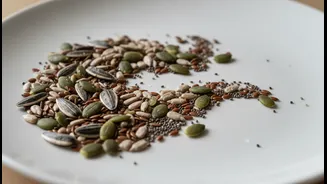
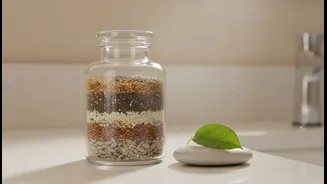
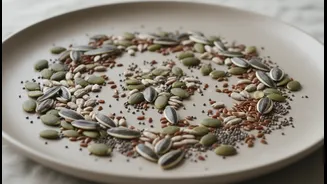
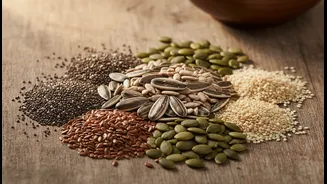
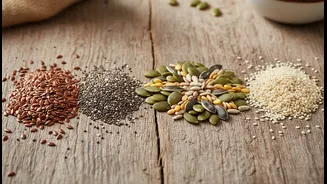
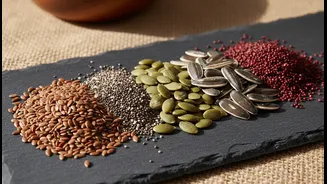
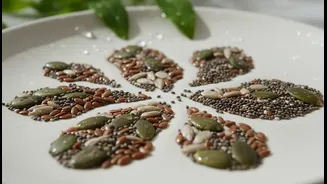
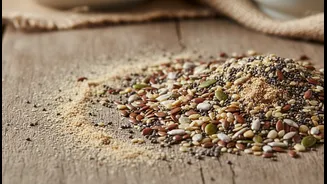
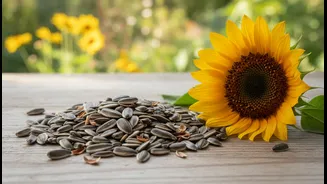
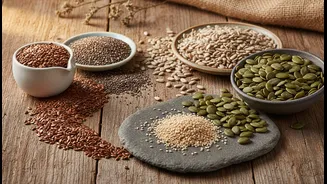
Different seeds offer unique benefits. Flaxseeds and chia seeds are rich in Omega-3 fatty acids, which help reduce inflammation, calm irritation, and keep the skin hydrated and supple. Sunflower seeds are a fantastic source of Vitamin E, a potent antioxidant that protects the skin from environmental stressors and supports moisture balance. Pumpkin seeds are loaded with zinc, a mineral that is vital for skin repair and can help regulate oil production, making them particularly beneficial for those with acne-prone skin. A small, mixed handful of these seeds every day can provide a wide spectrum of skin-loving nutrients.
Easy Ways to Eat More Seeds
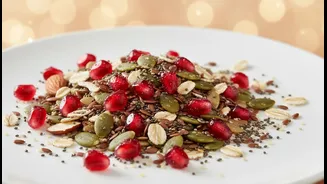
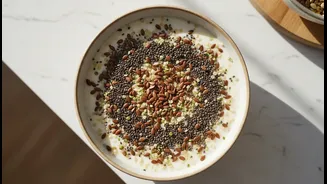
Adding seeds to your diet doesn't require a major overhaul. The easiest way is to simply sprinkle them on foods you already enjoy. Add a tablespoon of ground flaxseeds or whole chia seeds to your morning smoothie, oatmeal, or bowl of yogurt. Toss a mix of sunflower and pumpkin seeds into your salads for a crunchy, nutritious boost. You can also make a simple chia seed pudding by soaking the seeds in milk or a plant-based alternative overnight. For the best absorption of nutrients, it's often recommended to consume seeds like flax in their ground form.