

A Nutritional Face-Off
When it comes to pure numbers, radish and beetroot present a classic trade-off. Radish is the undisputed champion of low-calorie snacking, containing only 16 calories per 100 grams, compared to beetroot's 43. It also has significantly fewer carbohydrates
and sugars. However, beetroot packs a denser nutritional punch overall. It's richer in dietary fibre, which is crucial for digestive health, and contains more protein. In the vitamin and mineral department, beetroot generally comes out ahead, boasting higher levels of folate (a B vitamin essential for cell growth), iron, magnesium, and potassium. Radish fights back with a much higher concentration of Vitamin C, a powerful antioxidant for immune support, and more calcium.
The Radish Advantage: Crisp and Cleansing
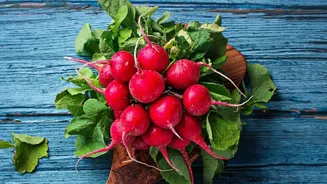
The sharp, peppery crunch of a radish is more than just a refreshing taste. Radishes are part of the cruciferous vegetable family, known for compounds that may help the body purge cancer-causing substances. They are particularly low on the glycemic index, meaning they have a minimal impact on blood sugar levels, making them an excellent choice for those managing diabetes. Their high water and fibre content aid in hydration and promote digestive regularity, helping to prevent constipation. Traditionally, radish is also considered a powerful detoxifier that supports liver function. The leaves are also edible and contain even more fibre and nutrients than the root itself.
The Beetroot Powerhouse: Earthy and Energising
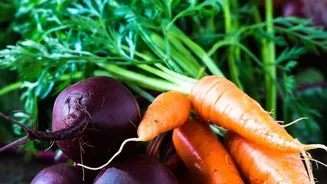
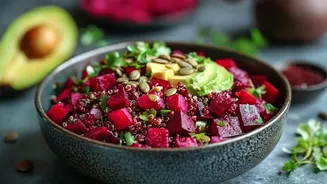
Beetroot's deep, crimson colour hints at its potent health benefits. This colour comes from pigments called betalains, which have strong antioxidant and anti-inflammatory properties. Beetroot's most celebrated feature is its high concentration of dietary nitrates. The body converts these nitrates into nitric oxide, a molecule that helps relax and widen blood vessels. This process can lead to improved blood flow, lower blood pressure, and a reduced risk of heart disease. For athletes or anyone looking for a physical boost, this increased blood flow can also enhance stamina and exercise performance.
In the Indian Kitchen
In India, both vegetables are culinary workhorses. Radish is often grated into salads, stuffed into Mooli Parathas, pickled as a sharp condiment, or cooked into sabzis. Its crisp texture and pungent flavour provide a welcome contrast in many dishes. Beetroot, with its earthy sweetness, is equally versatile. It's frequently used in salads, juiced for a health drink, made into a vibrant sabzi or stir-fry, and even blended into a colourful raita. The greens of both plants are also used in cooking, often prepared as a simple and nutritious bhaji.
Who Should Pick Which?
While both are healthy, your personal goals might make one a better choice. If you are focused on weight loss or managing blood sugar, the extremely low-calorie and low-carb profile of radish makes it a clear winner. Its digestive benefits are also a significant plus. On the other hand, if you are looking to boost athletic performance, improve cardiovascular health, or lower blood pressure, beetroot's high nitrate content gives it a distinct edge. It's also the more nutrient-dense option if you're aiming to maximise vitamin and mineral intake. People prone to kidney stones should be mindful of beetroot, as it is high in oxalates which can contribute to their formation.