





Understanding the Official Guidance
The conversation around hot drinks and health gained significant attention when the International Agency for Research on Cancer (IARC), a part of the World Health Organization, weighed in. After a thorough review of numerous studies, the agency classified
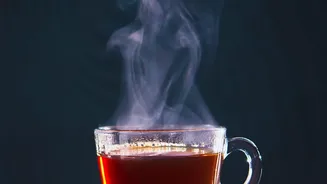
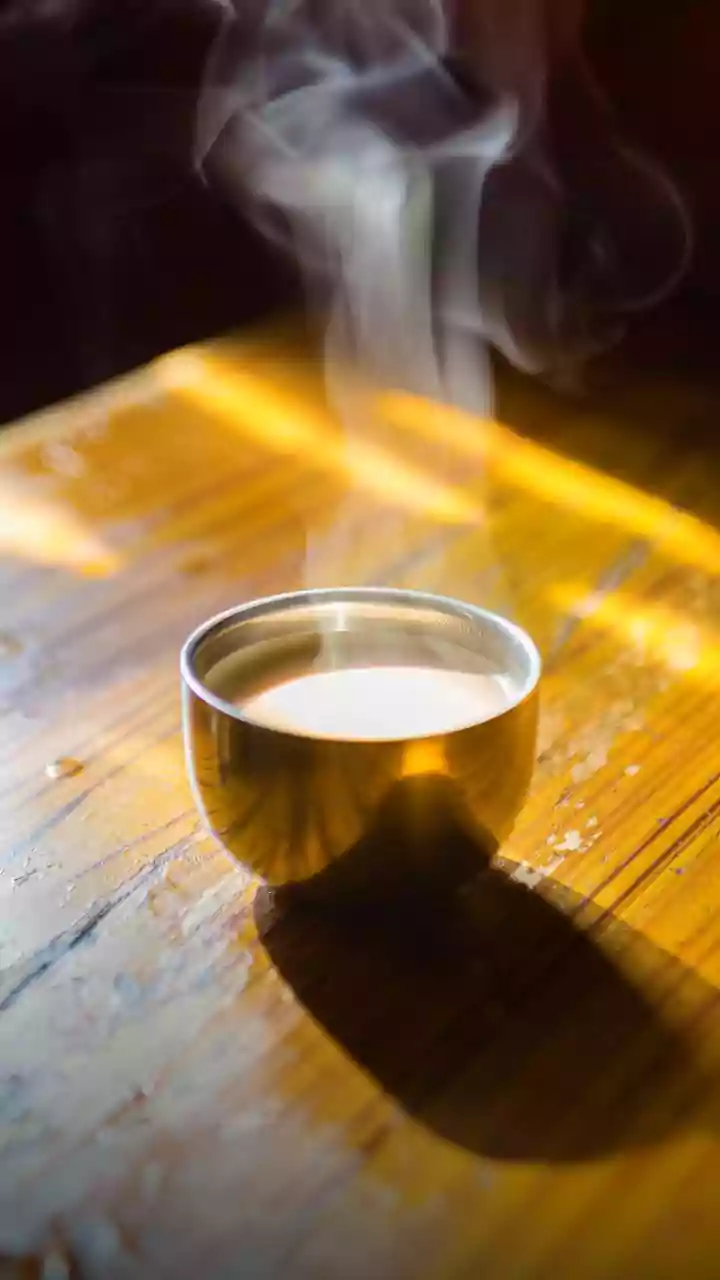
drinking 'very hot' beverages as "probably carcinogenic to humans". It's crucial to note what this means. The classification points to the strength of the evidence, not how big the risk is for an individual. Importantly, the risk isn't from the chai or coffee itself. In fact, coffee was cleared of its previous classification as a possible carcinogen. The culprit, according to the IARC, is the temperature. The risk is associated with oesophageal squamous cell carcinoma, a specific type of cancer.
How Hot Is 'Too Hot'?
The key question for any chai lover is: what temperature is considered 'very hot'? The IARC defined this threshold as any beverage consumed at a temperature above 65°C (149°F). To put that in perspective, this is a temperature that would likely feel uncomfortably hot to most people and can cause scalding. While many people in Western countries tend to drink their beverages cooler, some cultures and individuals prefer their tea at these very high temperatures. Studies have found that consistently drinking tea at 60°C or higher is associated with an increased risk compared to those who drink at lower temperatures. This suggests a clear link between the heat level and potential harm.
Why Temperature Is the Problem
The mechanism behind this risk is physical, not chemical. When you repeatedly drink scalding hot liquids, you can cause what is known as thermal injury to the delicate lining of your oesophagus—the tube that carries food from your throat to your stomach. Think of it like a recurring, low-grade burn. This repeated damage forces the cells in the lining to constantly repair and regenerate. Over many years, this chronic process of injury and repair can increase the chances of errors occurring during cell division, potentially leading to the development of cancerous cells. So, it’s not the compounds in the tea, but the sheer heat that creates the risky environment.
Putting the Risk into Context
It's important to view this risk in the context of other lifestyle factors. Major established risk factors for oesophageal cancer include smoking and alcohol consumption. Some research suggests that the risk from hot beverages is notably higher in individuals who also smoke and drink alcohol, indicating a potential synergistic effect where the heat damage might make the oesophagus more vulnerable to other carcinogens. Therefore, while being mindful of beverage temperature is wise, it's just one piece of a larger puzzle. Focusing on known major risks like quitting tobacco and moderating alcohol intake remains paramount for reducing cancer risk.
A Practical Guide to Safer Sipping
The good news is that you don't need to give up your beloved chai. The solution is simple and practical: just let it cool down a bit. Experts advise waiting a few minutes before you start sipping. Here are a few easy tips: 1. Wait and Stir: After pouring your tea, give it a few minutes. Stirring it can help dissipate the heat more quickly. 2. Add Milk: If you take your chai with milk, adding cool or cold milk will naturally lower the overall temperature to a safer level. 3. The Lip Test: Before taking a big gulp, take a small, tentative sip to test the temperature. If it's too hot for your lips or tongue, it's definitely too hot for your oesophagus. The goal is to drink your beverage when it’s pleasantly warm, not scalding. Many find that subtle flavours in tea and coffee are more noticeable at slightly lower temperatures anyway.