




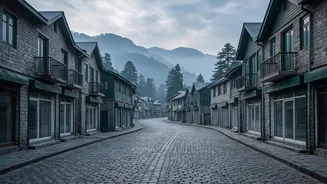
Paradise in a Traffic Jam
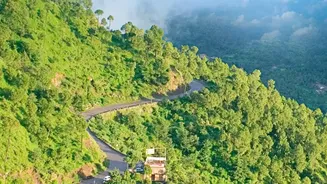
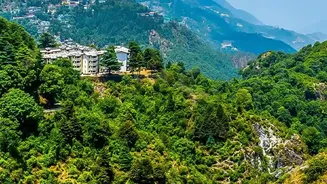
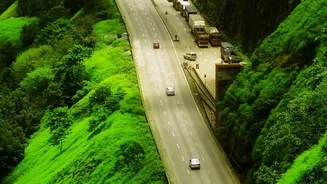
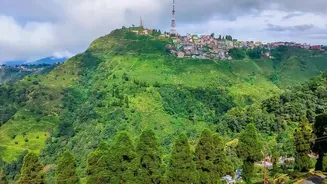
The familiar images of serene, mist-covered mountains are being replaced by scenes of chaos. In 2026, popular destinations like Manali, Shimla, and Mussoorie are experiencing unprecedented tourist surges, particularly as heatwaves scorch the plains. Endless
lines of cars now choke the narrow mountain roads, with traffic jams stretching for hours and turning a planned scenic drive into a stressful ordeal. Reports from Manali detail roads packed late into the night, while Shimla sees thousands of vehicles entering daily, overwhelming its infrastructure. This isn't just a peak-season inconvenience; it's a symptom of a much larger crisis. The very accessibility and popularity that made these towns famous are now threatening to dismantle their appeal entirely.
The Crushing Weight of Popularity
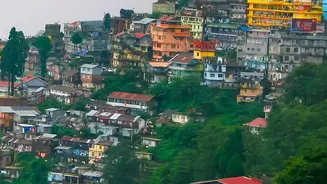
What is driving this overwhelming rush? A combination of factors has created a perfect storm. The explosion in domestic tourism, driven by a growing middle class, means more people have the means to travel. This is compounded by social media trends and influencer culture, which create a concentrated demand for photogenic, 'Instagrammable' spots, funnelling tourists to the same few locations. The result is that many hill stations now host visitor numbers that far exceed their carrying capacity. Shimla, a city originally built for a population of 25,000, now grapples with a population that can swell to over 800,000, including tourists, leading to immense strain.
When the Taps Run Dry
Beyond the visible chaos of traffic, a more critical crisis is unfolding: the depletion of natural resources. Water scarcity has become a recurring nightmare. Many hill towns rely on natural springs, which are drying up due to environmental degradation and climate change. The massive influx of tourists, who on average consume more water than locals, places an unbearable strain on these fragile systems. Shimla famously neared 'day zero' in 2018, with residents pleading with tourists to stay away. The problem is widespread, with waste management systems also collapsing under the sheer volume of plastic bottles, food wrappers, and other tourist-generated trash that pollutes trails, riverbanks, and forests.
The Economic and Social Dilemma
For local communities, the situation is a double-edged sword. Tourism is the backbone of the economy for many of these towns, providing livelihoods for hotel owners, taxi drivers, guides, and shopkeepers. This economic dependence makes it difficult to implement strict regulations or cap tourist numbers. However, the negative impacts are undeniable. Locals face a rising cost of living, housing shortages as properties are converted to short-term rentals, and a diminished quality of life. There are also growing reports of friction and confrontations between tourists and locals over issues like parking, overcharging, and aggressive behaviour.
Searching for a Sustainable Future
The crisis has forced a conversation about the future of tourism in these fragile regions. Experts and authorities are exploring a range of solutions. These include promoting lesser-known, offbeat destinations to distribute the tourist load, and developing eco-tourism models that prioritize sustainability over sheer numbers. There is a growing push for better regulation, including considering visitor caps based on a destination's carrying capacity and implementing 'green taxes' to fund environmental protection. Governments in states like Himachal Pradesh and Uttarakhand have launched initiatives to develop ecologically sustainable trails and involve local communities in conservation efforts, signaling a slow but crucial shift in mindset.