





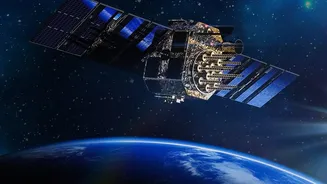
A Star Is Born: The 'Aagaman' Mission
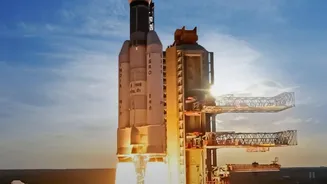
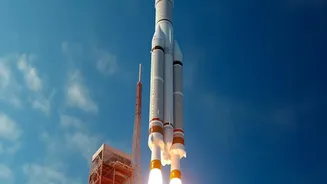
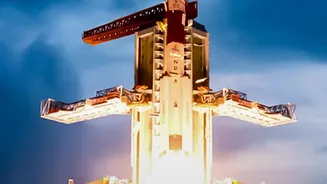
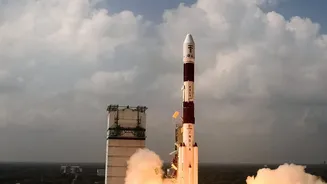
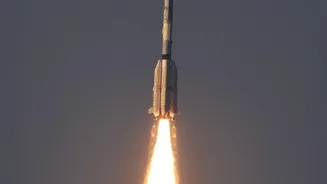
On July 18, 2026, Skyroot Aerospace's Vikram-1 lifted off from Sriharikota, making India only the third country, after the US and China, to have a private company achieve orbital launch capability. The mission, aptly named 'Aagaman' or 'Arrival', successfully
placed multiple small payloads into a 450-km orbit. This wasn't just another launch; it was the culmination of an eight-year journey and the definitive arrival of India's private space sector on the world stage. The Vikram-1 is no small feat of engineering. It's a multi-stage, carbon-composite vehicle designed to offer on-demand launch services for the booming small satellite market, functioning less like a government-run bus and more like a private cab to a specific orbital address.
The Seed of an Idea
Skyroot was founded in 2018 by Pawan Kumar Chandana and Naga Bharath Daka, two former engineers from the Indian Space Research Organisation (ISRO). They saw a gap in the global market for responsive, affordable launch services for small satellites. While ISRO had a stellar track record with its powerful workhorse rockets like the PSLV, there was a growing need for dedicated, smaller vehicles. The founders' vision was to build a startup that could move with the agility of a private firm while leveraging India's deep pool of engineering talent and cost advantages. This dream, however, required significant capital to even get off the ground.
Fueling the Dream: A History of Smart Money
A rocket company can't be built on a shoestring budget. Skyroot's journey is a case study in strategic fundraising. The company raised over $150 million across multiple rounds from a diverse set of investors who believed in their long-term vision. The first round in 2018 was a small angel investment. This initial backing from early believers was critical; it allowed the founders to turn their blueprint into a tangible business plan and begin initial development. Subsequent rounds brought in more capital, culminating in a landmark Series B round of $51 million in 2022, which significantly accelerated the development of the Vikram-1. This flow of capital, from early-stage risk-takers to larger institutional investors, provided the long-term financial runway needed to navigate the complex and expensive process of rocket development.
From Funding to Flight
The funds were put to work building a vertically integrated rocket factory in Hyderabad. The company made strategic technology choices to accelerate development and control costs. A prime example is the Raman-1 engine, which powers the rocket's final stage. It is India's first fully 3D-printed orbital engine, a technology that reduces production time from months to mere days. This allowed for rapid iteration and testing, a crucial advantage in the fast-moving space industry. The rocket itself is built from lightweight carbon-composite materials. The maturation of this funding is visible in these physical assets and technological milestones—from the successful suborbital test of the Vikram-S rocket in 2022 to the final assembly of the orbital-class Vikram-1.
Igniting India's Space Economy
The success of Vikram-1 is bigger than just one company. It's a validation of India's decision in 2020 to open up the space sector to private players. This policy shift, championed by regulatory bodies like IN-SPACe, created the ecosystem in which Skyroot could thrive. With a proven private launch vehicle, India can now compete more aggressively for a share of the global commercial space market. This fosters a healthy domestic ecosystem, where companies like Skyroot can complement ISRO's capabilities, creating more capacity and flexibility for both commercial and strategic needs, such as rapidly deploying satellites. It signals to global investors that India's tech ambitions are not limited to software and that deep-tech hardware is a viable and potentially lucrative bet.