




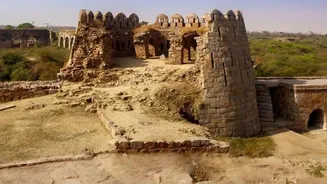
Mehrangarh Fort, Jodhpur
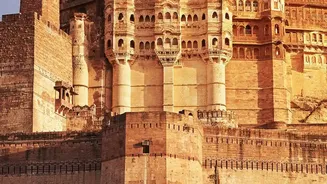
Perched 400 feet above the iconic Blue City, Mehrangarh Fort is an awe-inspiring structure that seems to rise directly from the rocky hill it commands. Founded in 1459 by Rao Jodha, this is one of India's largest and best-preserved forts. A walk through
its seven imposing gates, each built to commemorate a victory, is a walk through the annals of Marwar history. Inside, the fort houses a museum that is a treasure trove of Rathore dynasty artefacts, including royal palanquins, weaponry, and intricate miniature paintings. The panoramic views of Jodhpur from the fort ramparts are legendary, making it a perfect spot for photographers and history buffs alike.
Gwalior Fort, Madhya Pradesh
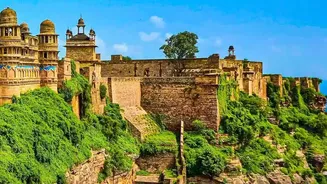
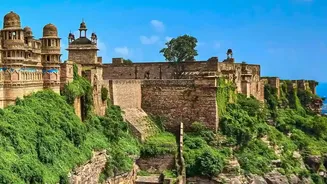
Often called the "pearl amongst the fortresses of Hind" by Mughal emperor Babur, Gwalior Fort has a history stretching back to at least the 6th century. This sprawling complex has been ruled by numerous dynasties, each leaving its architectural mark. Within its walls are palaces like the Man Mandir, famous for its vibrant blue ceramic tiles, and the Gujari Mahal, now an archaeological museum. The fort also contains ancient temples and towering Jain sculptures carved into the rock face. Its formidable defenses and rich blend of Rajput and Mughal architecture make it a compelling destination for a weekend deep-dive into India's past.
Chittorgarh Fort, Rajasthan
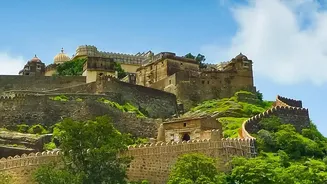
As the largest fort in India and a UNESCO World Heritage Site, Chittorgarh is less a fortress and more a fortified city. Sprawling over 700 acres, it is a powerful symbol of Rajput pride, valour, and sacrifice. The fort is famously associated with the tragic legend of Queen Padmini's Jauhar. Exploring its grounds reveals magnificent structures like the Vijay Stambha (Tower of Victory) and the Kirti Stambha (Tower of Fame), alongside numerous palaces and temples. The sheer scale of Chittorgarh, with its 22 water bodies and massive ramparts, requires a full day to appreciate, making it a truly immersive heritage journey.
Golconda Fort, Hyderabad
Once the capital of the Qutb Shahi dynasty, Golconda Fort was renowned as a major diamond market, having produced gems like the Koh-i-Noor. But beyond its glittering past, the fort is an engineering marvel. A clap at the main gate can be heard at the highest point of the fort, a testament to its incredible acoustics designed for communication and security. The ruins today include grand palaces, mosques, and imposing ramparts offering panoramic views. The evening sound and light show, often narrated by a Bollywood star, brings the fort's dramatic history to life, making it an unmissable experience on a trip to Hyderabad.
Jaisalmer Fort, Rajasthan
Rising from the sands of the Thar Desert like a golden mirage, Jaisalmer Fort is unique because it is a 'living fort'. Nearly a quarter of the old city's population still resides within its walls. This UNESCO World Heritage site, built in 1156, is a labyrinth of narrow lanes, bustling shops, ancient havelis, and Jain temples. Unlike other forts that are primarily historical monuments, Jaisalmer offers a chance to experience history as a part of daily life. Staying in a guesthouse within the fort walls allows you to soak in its magical atmosphere long after the day-trippers have departed.
Daulatabad Fort, Maharashtra
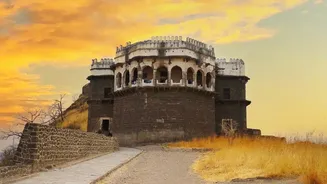
Originally known as Devagiri, Daulatabad Fort near Aurangabad is a masterclass in military defense. Carved from a 200-meter-high conical hill, its defenses are ingenious and formidable. The fort features a deep moat (once said to contain crocodiles), spiked gates to deter war elephants, and a complex series of winding, dark tunnels known as the Andheri, designed to confuse and trap invaders. The climb to the top is a thrilling trek through centuries of strategic brilliance, rewarded with breathtaking views and a deep appreciation for the minds that conceived one of India's most unconquerable strongholds.
Amber Fort, Jaipur
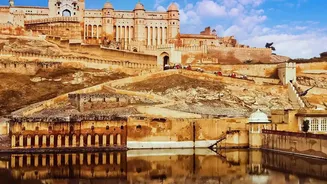
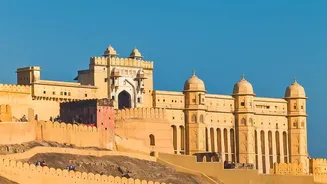
A stunning blend of Rajput and Mughal architecture, Amber Fort (also Amer Fort) is the crown jewel of Jaipur. Situated on a forested hill overlooking Maota Lake, its majestic sandstone and marble exterior is just the beginning. Inside, you'll find a series of grand courtyards, opulent halls, and private chambers. The Sheesh Mahal, or Hall of Mirrors, is particularly enchanting, where a single flame can illuminate the entire room in a star-like pattern. Included in the UNESCO group of Hill Forts of Rajasthan, Amber Fort offers a glimpse into the lavish lifestyle of the Rajput rulers and is an essential part of any Jaipur visit.