





The High Cost of Inaction
A report released on the International Day of Clean Air for Blue Skies by the UN Environment Programme (UNEP) and the Climate and Clean Air Coalition (CCAC) provides a sobering analysis for Delhi. The central finding is a warning against procrastination.
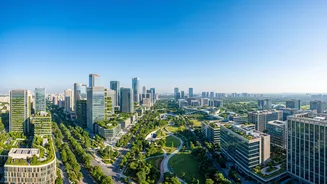
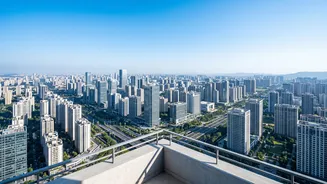
According to the report, titled 'Hidden Assets: The Economic and Health Case for Climate and Clean Air Action', if Delhi meets its national air quality standards on schedule from 2026, it could reduce its cumulative PM2.5 exposure by 20% by the year 2040. However, a delay of just eight years—which the report notes is the expected global average for implementation—would slash that benefit in half, to a mere 10% reduction. This delay translates directly into significantly greater health risks and economic burdens for the city's residents.
A Global Issue with Local Consequences
The report isn't just about Delhi; it's a global assessment covering countries like China, India, Mexico, and Nigeria, which collectively represent over 40% of the world's population. It frames clean air as a powerful economic asset. Globally, the human toll is staggering, with an estimated 6.4 million premature deaths worldwide in 2025 linked to outdoor air pollution from PM2.5 and ozone. An additional 2 million deaths were attributed to household air pollution. The economic case is just as compelling. The UN assessment calculates that every dollar invested in integrated climate and clean air actions could yield around fifteen dollars in economic benefits, factoring in health and other non-market gains. For a country like India, where air pollution's impact on the economy is estimated at $95 billion annually, the incentive for swift action is enormous.
Delhi’s Perpetual Battle with Smog
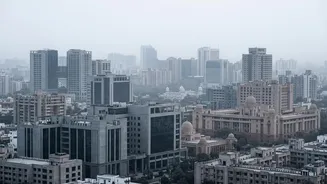
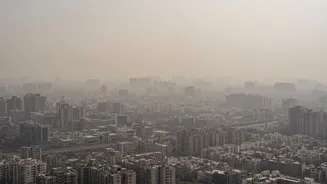
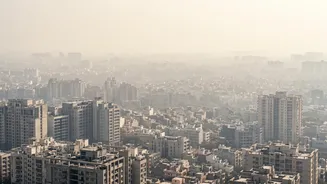
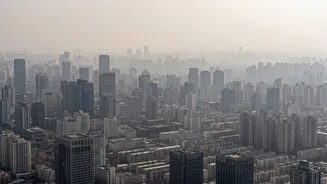
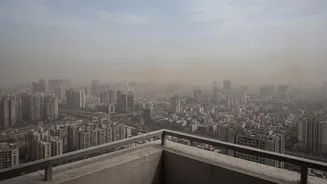
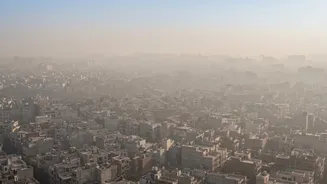
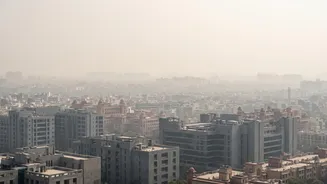
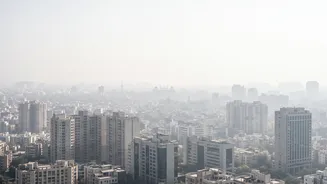
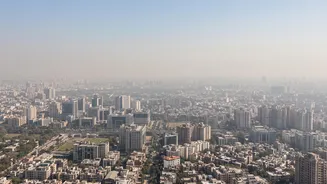
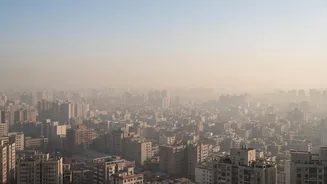
While the UN report provides new urgency, the crisis itself is tragically familiar to Delhiites. The city's air quality typically deteriorates to 'poor' or 'severe' levels between October and February. This is due to a combination of factors: stubble burning in neighbouring states, vehicular emissions, industrial pollution, and road dust. During peak winter, PM2.5 levels can be many times higher than the World Health Organization's safety guidelines. While there have been some signs of progress—2025 was recorded as having the best air quality in eight years—the improvement is relative, and pollution remains a year-round concern, not just a winter emergency. Experts note that hotter, drier summers are now also contributing to dust pollution, highlighting the complex, evolving nature of the challenge.
The Human Impact of Toxic Air
Behind the data and policy debates lies a profound public health crisis. Air pollution is linked to a host of devastating health issues, including asthma, heart disease, stroke, lung cancer, and even dementia. Children are particularly vulnerable. According to one study, an estimated 2.2 million children in Delhi suffer from irreversible lung damage due to the city's toxic air. Emergency room visits for respiratory and cardiac events have been shown to increase in tandem with rising pollution levels. The UN report's warning about the consequences of delayed action underscores this reality: failing to meet clean air targets on time directly results in more illness, higher healthcare costs, and preventable deaths.
The Path Forward
The Delhi government has announced several ambitious plans, including the Air Pollution Mitigation Action Plan 2026. This strategy focuses on key sources like vehicular emissions, dust, and waste management, with measures like expanding the electric bus fleet, redeveloping roads to control dust, and setting firm deadlines to clear legacy landfill sites. However, the UN report points to institutional barriers as the single biggest contributor to implementation delays globally. Experts in India have echoed this, calling for a coordinated, 'airshed-level' approach that involves neighbouring states, rather than fragmented efforts. The message from the UN is clear: strengthening the economic, social, and institutional frameworks to support these solutions can accelerate their implementation by up to a decade, delivering cleaner air and a healthier future much sooner.