







The Spiritual Heart of the Fast
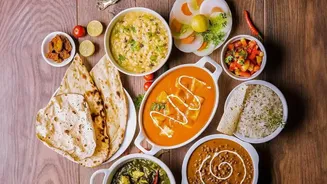
Navratri fasting, or 'vrat', is more than just abstaining from certain foods; it is a spiritual practice aimed at detoxification, self-discipline, and drawing closer to the divine. The dietary guidelines are traditionally based on Ayurvedic principles,
favouring 'sattvic' foods. These are foods considered pure, light, and easy to digest, believed to promote mental clarity and calmness. The typical Navratri diet includes fruits, dairy products, specific vegetables like potatoes and pumpkin, and alternative grains such as buckwheat ('kuttu') and water chestnut flour ('singhara'). The core idea is to consume foods that nourish the body without causing sluggishness or overstimulation, creating an ideal state for prayer and meditation.
Coffee's Contentious Place in Tradition
Traditionally, coffee does not feature on the list of approved Navratri foods. The reason lies in its classification within Ayurveda. Coffee is considered 'rajasic', a category of food known to be stimulating and agitating. Rajasic items are believed to induce restlessness and intense emotions, which runs counter to the calm and centered state a fast aims to cultivate. Since the goal of the vrat is to quiet the mind and senses, a potent stimulant like coffee is seen as disruptive. Furthermore, Navratri diets traditionally avoid processed items, and coffee, being a roasted and processed bean, falls into a grey area that stricter adherents prefer to avoid altogether.
The Modern Devotee's Dilemma
In today's fast-paced world, coffee is a non-negotiable morning ritual for millions. This has led to a more flexible interpretation of fasting rules. Many argue that since Navratri fasting primarily prohibits grains, alcohol, and non-vegetarian food, beverages like tea and coffee are acceptable. The rules are not set in stone and often vary by family, community, and personal conviction. For many who need to maintain work schedules and daily responsibilities, giving up coffee can lead to withdrawal headaches and fatigue, making the fast itself more challenging. This practical need has prompted a re-evaluation, with many concluding that a simple cup of black or milk coffee does not violate the spirit of their fast.
A Health-First Perspective
From a health standpoint, drinking coffee while fasting has its own set of considerations. For those accustomed to it, black coffee is nearly calorie-free and does not typically break a fast from a metabolic perspective. It can even help suppress appetite and increase alertness. However, consuming coffee on an empty stomach can increase acidity for some individuals, leading to discomfort or heartburn. It is also a diuretic, which can contribute to dehydration if fluid intake is not managed carefully. Health experts generally advise moderation. If you choose to drink coffee, it's recommended to have it after a small meal of fruit or nuts rather than on a completely empty stomach. It is also wise to stick to plain black or milk coffee and avoid sugary, flavoured concoctions that can negate the fast's health benefits.