





An Indicator of River Health
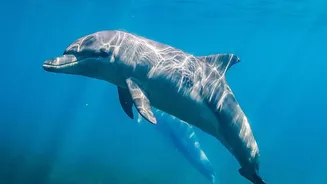
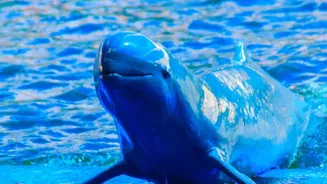
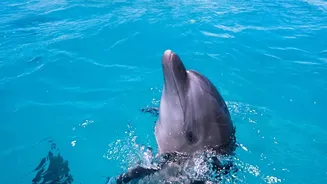
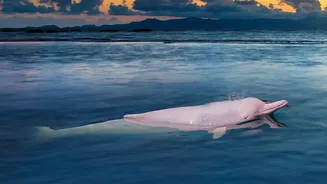
Often called 'tigers of the river', river dolphins are a key indicator of a healthy aquatic ecosystem. Species like the Ganges river dolphin, India's National Aquatic Animal, sit at the top of the food chain, meaning their health reflects the overall
wellbeing of the river. However, they are among the world's most endangered cetaceans. Major threats include the construction of dams and barrages which fragment their habitat, accidental entanglement in fishing nets (bycatch), and severe pollution from industrial and agricultural runoff. This makes them vulnerable and means that any interaction, including tourism, must be handled with extreme care.
The Tourism Dilemma
Unregulated tourism can add immense stress to already fragile dolphin populations. Motorboat noise can interfere with their echolocation, which they use to navigate and hunt since they are essentially blind. Boats getting too close, chasing the animals, or causing collisions can lead to injury, stress, and disruption of natural behaviours like feeding and resting. When tour operators ignore regulations, they turn a potential force for good into another threat that these animals simply cannot afford.
From Tourist to Conservationist
When done right, ecotourism becomes a powerful tool for conservation. Responsible dolphin-watching tours provide a crucial economic incentive for local communities to protect the dolphins and their river habitats. Revenue generated from these trips can fund vital conservation projects, scientific research, and community-led monitoring programs. Furthermore, these tours serve as educational platforms, raising awareness among visitors about the threats dolphins face and fostering a deeper appreciation for the entire river ecosystem. Your ticket can become a direct investment in the survival of the species.
How to Spot a Responsible Operator
Choosing the right tour operator is the single most important decision you can make. Look for companies that are transparent about their conservation policies and are affiliated with local authorities or conservation groups. A responsible operator will have trained, knowledgeable guides or naturalists on board who educate passengers. They will strictly adhere to viewing guidelines, such as maintaining a safe distance—typically at least 50 yards—and limiting viewing time to around 30 minutes. They should never chase, encircle, feed, or attempt to touch the animals. Check their social media and online reviews for photos; if you see people touching or getting selfies with dolphins, it is a major red flag.
Red Flags to Watch Out For
Be wary of any tour that offers a 100% guarantee of a sighting, as this can encourage aggressive tactics like chasing animals. Other warning signs include operators who get too close, especially to mothers with calves, or boats that are excessively noisy. Any tour that promotes riding, feeding, or swimming with wild dolphins is not ethical and is likely illegal. These interactions disrupt natural behaviours and can be harmful to both the animals and people. An operator whose primary goal is the animal's welfare, not just a tourist's entertainment, will be clear about these boundaries.
Your Role as a Conscious Tourist
Your responsibility doesn't end with choosing a good operator. While on the boat, keep your voice down and avoid making sudden loud noises that could startle the animals. Never throw any trash overboard. Allow the dolphins to control the encounter; if they approach the boat, enjoy the moment, but if they seem agitated or move away, the operator should respect that and leave the area. Manage your expectations: these are wild animals, not performers. The goal is to observe them in their natural habitat without causing any disturbance. By being a quiet, respectful observer, you contribute to a positive and sustainable tourism model.