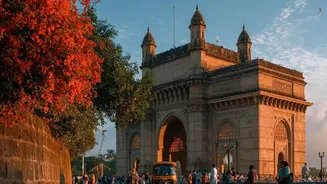







What is the National Digital Tourism Stack?
The centerpiece of this new strategy is the National Digital Tourism Stack, an initiative launched by the Ministry of Tourism in partnership with the Open Network for Digital Commerce (ONDC). Instead of creating another government-run booking website,
this 'stack' is a shared digital infrastructure. It allows any tourism business, from a single-room homestay in a remote village to a city-based heritage walk guide, to list their services. Once listed, their offerings can appear across a wide range of participating apps and websites, not just one. The goal is to break down the fragmented market where travellers have to hop between dozens of apps for flights, hotels, and activities. The system aims to include verified identities, digital payments, and a unified grievance redressal mechanism to build trust for both consumers and providers.
A Lifeline for Homestays and Small Businesses
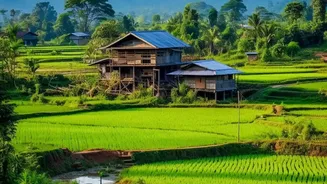
This open network model could be a game-changer for small-scale entrepreneurs. For homestay owners, it offers a path to compete with large hotel chains without paying high commission fees to dominant online travel agencies. By becoming discoverable across multiple platforms, they can reach a national and even global audience directly. The government has set an ambitious target to bring 9,000 homestays and 14,000 tourism experiences onto the network by 2028. This initiative aligns with a broader push to promote lesser-known destinations under campaigns like 'Dekho Apna Desh 2.0', spreading the economic benefits of tourism beyond the usual hotspots. Partnerships with platforms like Airbnb are also in place to train and onboard new hosts, particularly in rural and emerging areas.
Empowering Guides, Artisans, and Local Culture
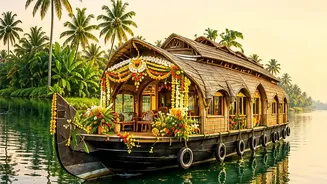
The digital push extends beyond accommodation. Individual tour guides, artisans, and creators of unique local experiences can also list their services. This allows them to bypass traditional intermediaries and connect directly with travellers, retaining a larger share of the revenue and gaining autonomy over their offerings. The system is envisioned to support everything from booking a boat ride to an 'aarti' at a temple, all within a connected ecosystem. For travellers, this means access to a treasure trove of authentic experiences that were previously hard to find, from virtual craft workshops to AI-curated culinary trails. It helps preserve and revitalise local culture by creating a direct economic incentive for communities to share their heritage.
The Road Ahead: Overcoming Digital Hurdles
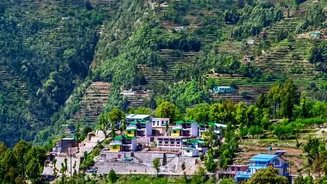
While the potential is enormous, significant challenges remain. The success of the digital stack depends on bridging the digital literacy gap, especially in rural and remote areas where many unique homestays and experiences are located. Consistent and affordable internet access is another major hurdle. Furthermore, simply being visible online does not guarantee success. Small operators will need support to compete on quality, marketing, and hospitality standards. The government has acknowledged the need for capacity building and is rolling out training schemes like 'Paryatan Mitra' to develop skills at the grassroots level, with a focus on empowering women and local communities. Ultimately, digital promotion must be paired with on-the-ground infrastructure development, including better road connectivity and safety measures, to make these new destinations truly accessible.