





The Initial Roadmap: A Mandate for V2V
The conversation began with a clear and ambitious goal. In early August 2026, India's Ministry of Road Transport and Highways (MoRTH) proposed a significant new rule: making Vehicle-to-Vehicle (V2V) communication systems mandatory for all new cars, two-wheelers,
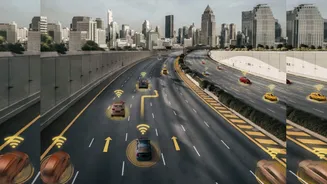
and commercial trucks. The plan outlined a phased rollout, culminating in a requirement for all new vehicles manufactured from October 1, 2028, to be equipped with this life-saving technology. The goal is to create a network where vehicles constantly share data like speed, direction, and braking status to warn drivers of dangers they can't see, such as a sudden stop several cars ahead or a vehicle approaching a blind intersection. This was seen as a major step towards building an intelligent transport system and drastically cutting down on India's high rate of road accidents.
Why the Conversation is Shifting
While a universal mandate seems straightforward, implementing it across India's diverse and complex road environment presents enormous challenges. A single, prescribed technological plan might not account for the mix of vehicles on the road, from modern cars to older trucks, two-wheelers, and even animal-drawn carts. There's also the question of which technology to mandate. The global automotive world has been debating different communication protocols, primarily Cellular V2X (C-V2X), which uses mobile networks, and the older Wi-Fi-based DSRC. Mandating one over the other could stifle innovation or lock the country into a technology that might be superseded. Furthermore, the effectiveness of V2V technology depends on network effects; it works best when most vehicles have it. During a long transition period, cars will still need their existing cameras and radar systems to see non-connected road users, raising questions about cost versus immediate benefit.
Standards Over a Single Mandate
This complexity has shifted the focus toward developing robust standards rather than enforcing one specific plan. The draft notification from MoRTH already points in this direction by referencing Automotive Industry Standard (AIS) 230. This standard doesn't dictate every component but sets minimum requirements for performance, reliability, and cybersecurity for any V2V system sold in India. This approach offers more flexibility. It allows manufacturers to innovate and choose the best underlying technology (though C-V2X is emerging as the frontrunner) as long as their systems meet the safety and interoperability benchmarks set by AIS-230. The framework is being built piece by piece, with the Department of Telecommunications de-licensing the necessary 5.9 GHz frequency band for V2X use and the Telecom Regulatory Authority of India (TRAI) developing a broader regulatory framework for intelligent transport systems.
What This Means for Indian Roads
For the average car buyer, this shift from a rigid plan to flexible standards is a positive development. It means the connected safety features that eventually arrive in vehicles are more likely to be cost-effective, secure, and compatible with each other, regardless of the car brand. The phased approach, starting with voluntary compliance to the AIS-230 standard in 2027 before the 2028 mandate, gives the entire industry—from carmakers to component suppliers—time to prepare. This ensures a smoother rollout and reduces the chance of technological dead ends. The ultimate goal remains a comprehensive Vehicle-to-Everything (V2X) ecosystem, where cars communicate not just with each other (V2V), but also with infrastructure like traffic lights (V2I) and even pedestrians (V2P). By focusing on standards first, India is building the foundational grammar for this future language of road safety.