





After the joyous indulgence of Diwali, it's common to feel sluggish and bloated. A cardiologist’s simple advice offers a path back to balance: focus on vegetables and fibre. Here’s why this gentle reset is crucial for your well-being.
The Post-Festive Feeling
The days of celebration,
filled with mithai, fried snacks, and late-night feasts, can leave our bodies feeling overwhelmed. This isn't just in your head. A diet suddenly rich in sugar, unhealthy fats, and refined flour can lead to genuine physical responses like bloating, indigestion, fatigue, and water retention. These heavy meals strain the digestive system and can cause inflammation. The excess sugar intake can also lead to energy crashes, leaving you feeling more tired than festive. Cardiologists pay close attention to this because these dietary patterns, even if temporary, affect key health markers that are directly linked to the heart.
Why Cardiologists Emphasise This Reset
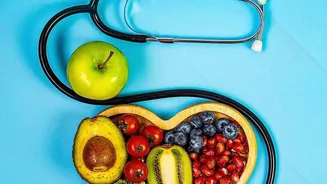
The link between diet and heart health is well-established, and festive binging is no exception. Foods high in sugar, salt, and unhealthy fats—especially from repeatedly heated oil—can raise blood sugar, blood pressure, and levels of 'bad' LDL cholesterol. Over time, these factors increase the risk of heart disease, but even short-term indulgence can put a strain on the cardiovascular system. Cardiologists advise a gentle return to balanced eating not just to manage weight, but to lower inflammation, stabilise blood sugar, and give your heart and blood vessels a much-needed break from processing these rich foods. The advice is a form of preventive care, aiming to bring the body back to a state of balance.
Fibre: Your Digestive System's Best Friend
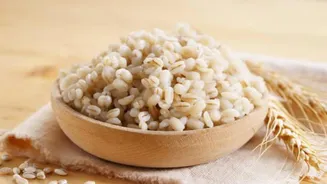
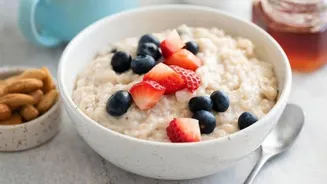
After overloading your system, fibre is the reset button. It is a type of carbohydrate that your body can't digest, which is exactly why it's so beneficial. Soluble fibre, found in oats, beans, apples, and carrots, dissolves in water to form a gel-like substance. This slows digestion, which helps prevent sharp spikes in blood sugar after meals and can lower cholesterol levels. Insoluble fibre, found in whole grains and vegetables, adds bulk to stool, promoting regularity and helping to cleanse the digestive tract. By feeding the good bacteria in your gut, fibre also supports a healthy microbiome, which is crucial for digestion, immunity, and overall health.
Vegetables: The Ultimate Nutrient Boost
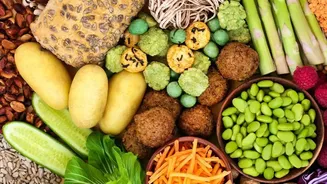
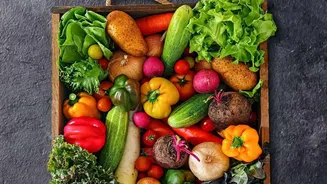
Vegetables are powerhouses of recovery. They are naturally high in fibre and water, which aids hydration and helps flush out toxins. More importantly, they are packed with vitamins, minerals, and antioxidants. These antioxidants help combat the oxidative stress and inflammation caused by consuming fried and ultraprocessed foods during the festivities. Cruciferous vegetables like cabbage and broccoli, and leafy greens like spinach, are particularly good for supporting the liver's natural detoxification processes. Including a variety of colourful vegetables ensures you get a wide range of nutrients to replenish your body and boost your energy levels naturally.
Simple Ways to Gently Get Back on Track
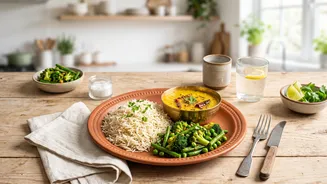
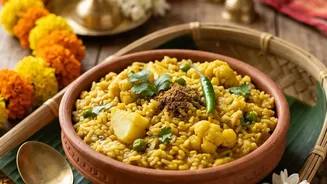
Adopting this advice doesn't require a radical or restrictive 'detox'. The key is to gently reintroduce healthy habits. Start your day with warm lemon water to aid digestion. Instead of skipping meals, have smaller, more frequent ones. Try to make vegetables the star of your plate; fill half your plate with them at lunch and dinner. A simple dal, sabzi, and roti is a perfect recovery meal. Lightly prepared foods like khichdi or vegetable soup are easy on the digestive system and very nourishing. Snacking on fresh fruits and nuts instead of leftover sweets can help manage cravings. Crucially, stay hydrated by drinking plenty of water throughout the day, which helps your kidneys flush out waste.