




The Initial Catastrophe
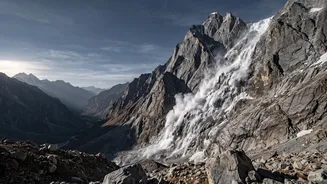
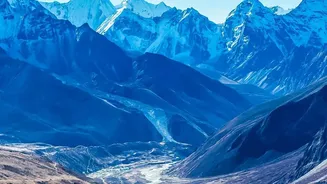
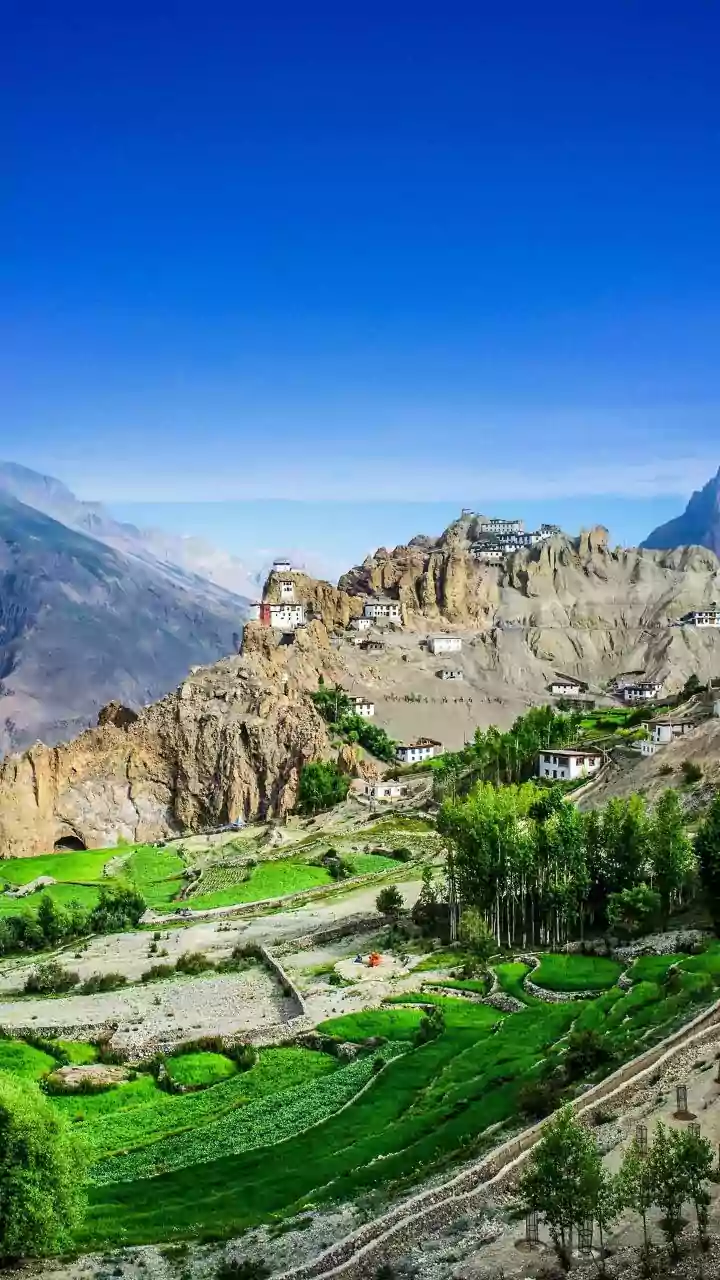
On August 26, 2026, a massive section of a glacier and underlying bedrock collapsed high in the Himalayas near the Nepal-China border. The impact of the ice-and-rock avalanche was so powerful it registered as a magnitude 5.2 seismic event. This triggered
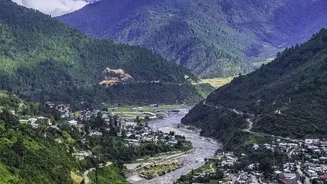
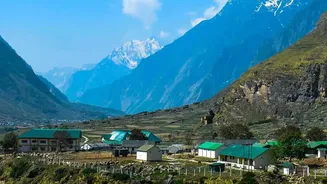
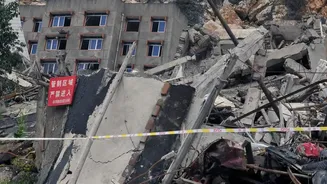
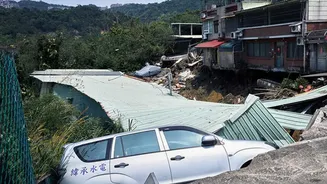
a catastrophic flash flood as a wall of water, mud, and debris tore through the Lhende Khola and Trishuli River valleys. Entire settlements like Timure and Syaphrubesi were devastated, with the floodwaters burying homes, destroying dozens of bridges, and wiping out critical roads, including the main trade route to China. The human toll has been immense, with hundreds confirmed dead and thousands missing across Nepal and Tibet.
How the Danger Multiplies
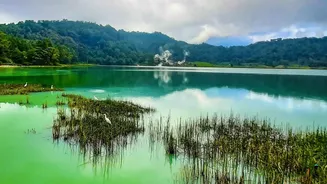
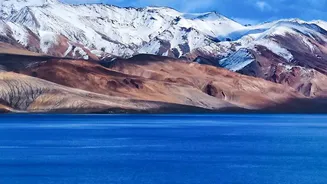
The danger did not end when the initial floodwaters passed. The very debris that caused such destruction—a chaotic mix of rock, mud, and ice—has now created a secondary crisis. This material has formed a natural, but highly unstable, dam, blocking the flow of the Bhote Koshi River. Behind this precarious barrier, river water has rapidly accumulated, forming a large and deep body of water often called a landslide-dammed lake or barrier lake. Experts warn that this new lake is essentially a ticking time bomb, holding back a massive volume of water.
The Science of a Dam Break
Unlike engineered concrete dams, which are built with reinforced structures and controlled spillways, a debris dam is inherently weak. It's just a loose pile of rubble. The immense pressure of the growing lake can cause it to fail in several ways. The water can rise and spill over the top, a process called overtopping, which can rapidly erode the loose material and trigger a total collapse. Seepage through the dam can also weaken it from within, leading to a sudden breach. Because the exact stability of the dam is unknown without on-the-ground assessment, it's impossible to predict the precise moment of failure. If the dam breaks, the entire lake could drain almost instantly, sending a second, devastating flood wave downstream.
A Race Against Time
This secondary threat poses an extreme risk to communities and rescue workers already operating in the disaster zone. A sudden breach would endanger anyone downstream, hampering the already difficult search for thousands of missing people. Authorities in both Nepal and China are closely monitoring the situation. On August 28, a slight overflow from the lake briefly paused rescue operations over fears of an imminent second flood. While the lake was reported to be slowly draining by August 30, a second, higher-altitude crater lake holding an estimated 1.4 million cubic meters of water still poses a risk. Authorities have issued fresh flood warnings, urging residents to remain on high alert as engineers assess the treacherous and inaccessible landscape to see if an intervention is possible.
A Glimpse of a Warmer Future
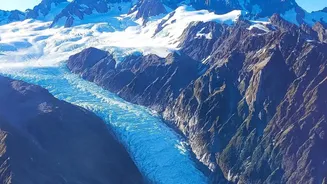
This chain of events—a 'cascading hazard'—highlights the growing dangers in high-mountain regions. While it is too early to link this single disaster directly to climate change, scientists have long warned that global warming is making the Himalayas more unstable. As glaciers melt and permafrost thaws, the 'glue' holding mountain slopes together weakens, increasing the frequency of landslides and avalanches. These events, in turn, can create deadly flood risks for the millions of people living downstream. Disasters like the one unfolding in Nepal are a stark reminder that as the high mountains change, the risks to those below are multiplying.