



More Than Just a Pot
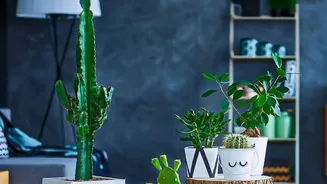
Gone are the days when a planter was a purely functional, forgettable item. Today, ceramic planters are integral to interior design, acting as sculptural elements that tie a room together. Available in a vast array of colours, textures, and shapes, they
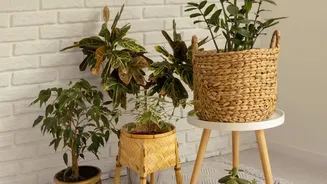
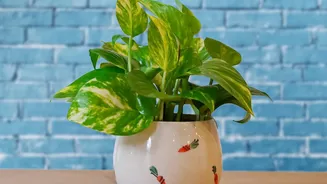
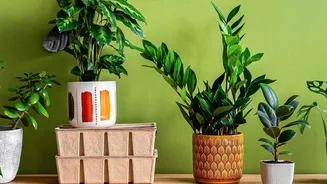
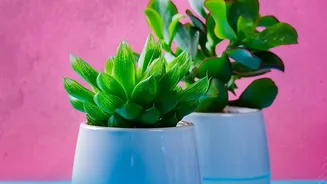
can complement any style, from minimalist modern to rustic cottagecore. A sleek, geometric pot can echo the clean lines of contemporary furniture, while a hand-painted, textured ceramic planter can add warmth and an artisanal touch to a bohemian space. The material itself offers a sense of permanence and quality that plastic often lacks. By carefully selecting a ceramic planter, you can create a deliberate visual link between your greenery and your home's colour palette and overall aesthetic, turning a simple houseplant into a true design statement.
Why Drainage Is King
While a planter's beauty might catch your eye, its drainage capability is what will keep your plant alive and thriving. Drainage holes are essential because they allow excess water to escape, preventing the soil from becoming waterlogged. When water pools at the bottom of a pot, it suffocates the roots by cutting off their oxygen supply. This creates the perfect environment for root rot, a common and often fatal condition for houseplants. Proper drainage doesn't just prevent overwatering; it also helps flush out excess salts and minerals from fertilizers that can build up in the soil over time. For indoor plants, where airflow is limited and evaporation is slower, managing moisture is even more critical. Simply put, no matter how stunning a planter is, without a plan for drainage, you risk the health of your plant.
Glazed vs. Unglazed Ceramic
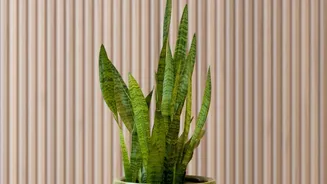
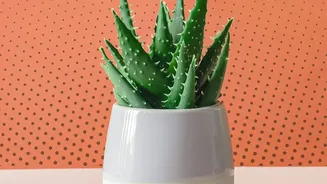
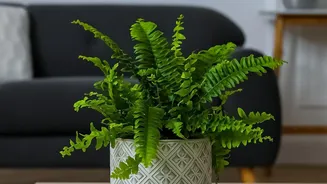
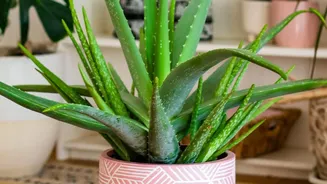
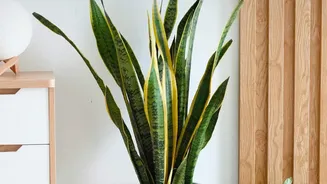
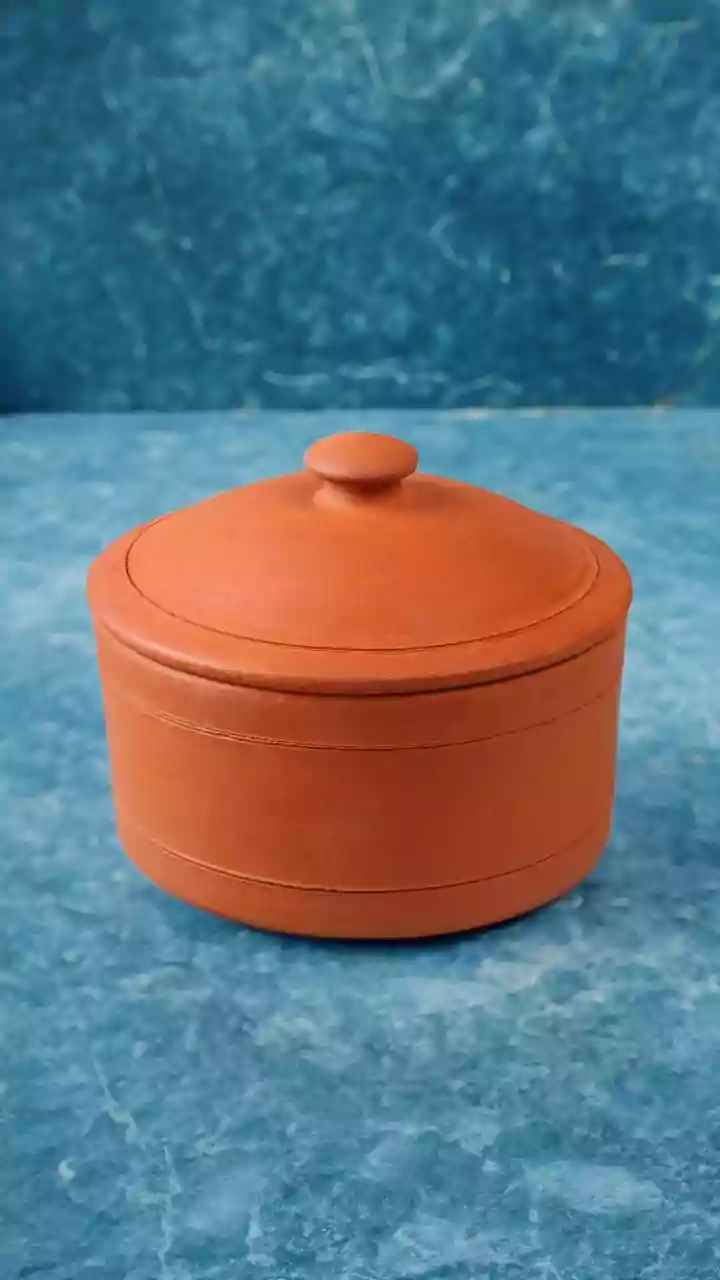
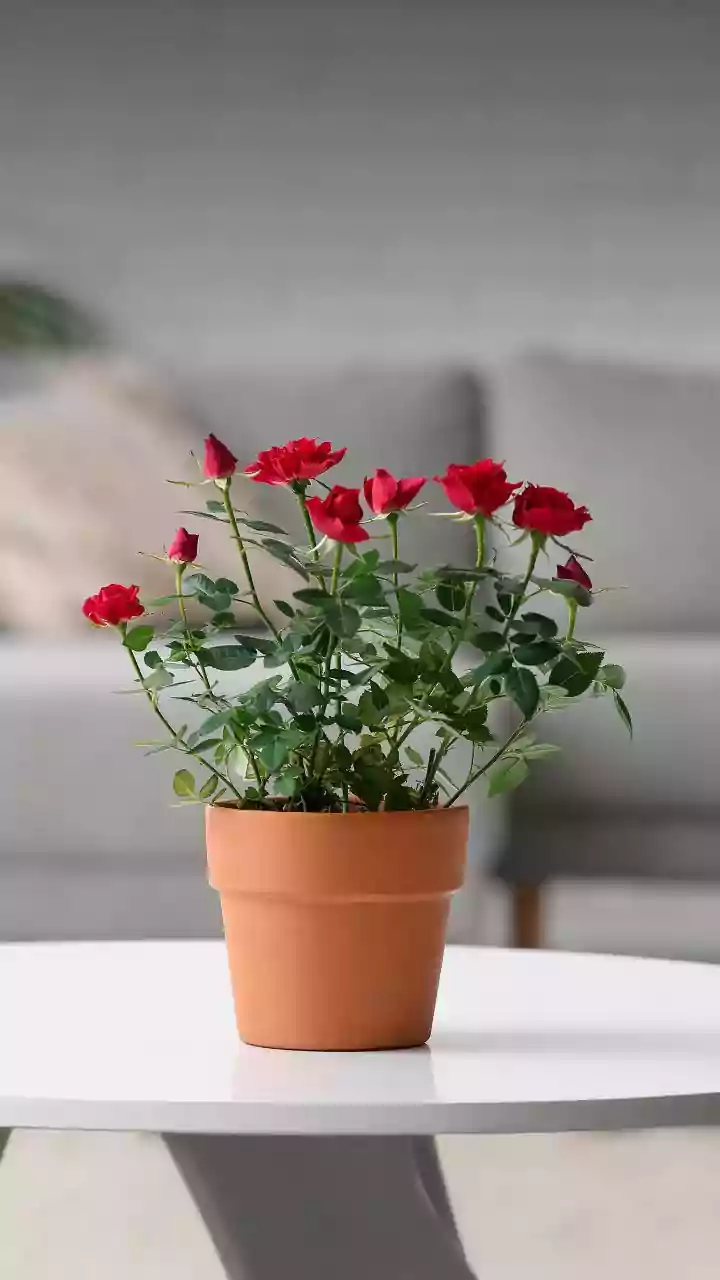
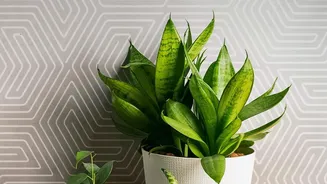
Not all ceramic pots are created equal. The finish—glazed or unglazed—plays a significant role in moisture retention. Unglazed ceramic, like classic terracotta, is porous. This means air and water can pass through the walls of the pot, allowing the soil to dry out more evenly and quickly. This makes unglazed pots an excellent choice for plants that are prone to root rot or prefer drier conditions, such as succulents, cacti, and snake plants. On the other hand, glazed ceramic pots have a non-porous coating that prevents water from evaporating through the sides. They hold moisture for longer, which can be beneficial for plants that thrive in consistently damp soil, like ferns and calatheas. The glaze also gives designers a vibrant palette of colours and finishes to work with, from high gloss to matte. Choosing between them depends on your plant's needs and your watering habits.
The Cachepot Solution
So what do you do when you fall in love with a decorative ceramic planter that has no drainage hole? The answer is simple: don't plant directly into it. Instead, use it as a cachepot, which is a decorative outer container. The method is straightforward: keep your plant in its simple plastic nursery pot, which already has drainage holes, and place it inside the beautiful ceramic planter. This technique gives you the best of both worlds—the style you want and the drainage your plant needs. When it's time to water, simply lift the inner plastic pot out, take it to the sink, water it thoroughly, and allow all the excess water to drain away completely before placing it back in the cachepot. This prevents the plant from ever sitting in stagnant water. To ensure the inner pot isn't sitting in any residual moisture, you can place a layer of pebbles or a small object at the bottom of the cachepot to elevate it slightly.
Making Your Own Drainage
If you're set on planting directly into a decorative pot without a hole, and the cachepot method isn't for you, another option is to create your own drainage. With the right tools, it's possible to drill a hole in the bottom of most ceramic containers. You'll need a drill bit specifically designed for tile or ceramic to prevent cracking. It's a task that requires patience and a steady hand, but it permanently solves the drainage problem. Another, less recommended, technique involves creating a drainage layer at the bottom of the pot using gravel or small stones. However, many horticultural experts caution that this can create a 'perched water table,' where water actually pools in the soil just above the rock layer, keeping the roots wet and defeating the purpose. For this reason, using a cachepot or drilling a hole remain the safest and most effective solutions.