


The Quintessential Summer Meal
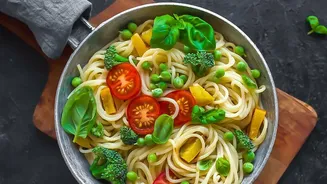
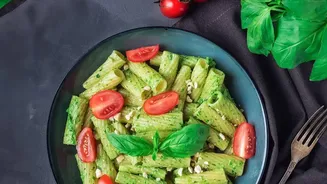
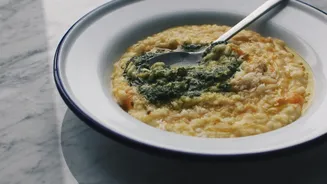
There are few dishes that capture the essence of summer quite like a well-made pesto pasta. It’s a celebration of simplicity and fresh ingredients. The beauty of this particular recipe lies in its trifecta of colour and flavour: the vibrant green of the pesto and peas,
the ruby red of the tomatoes, and the satisfying canvas of perfectly cooked pasta. It’s a complete meal that feels both wholesome and indulgent, coming together in about the time it takes to boil water and cook your pasta. Whether you’re planning a quick weeknight dinner or a relaxed weekend lunch in the garden, this dish is a reliable and impressive choice that never fails to please.
Assembling Your Ingredients
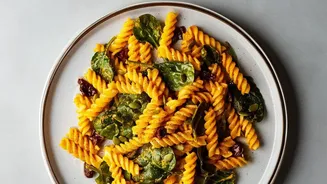
The success of a simple dish hinges on the quality of its components. For the pasta, choose a shape with plenty of nooks and crannies to catch the sauce; fusilli, rotini, or even shells are excellent choices. For the tomatoes, sweet cherry or grape tomatoes, halved to release their juices, add bursts of sweetness and acidity. Fresh or frozen peas will work equally well; if using frozen, there’s no need to defrost them first, as they can be added directly to the boiling pasta water during the last minute of cooking. The star of the show, of course, is the pesto. While a good quality store-bought pesto works in a pinch, making your own is a simple step that elevates the dish to another level.
A Primer on Perfect Pesto
Homemade pesto is remarkably easy and tastes infinitely fresher than its jarred counterparts. The traditional sauce is a blend of fresh basil, garlic, pine nuts, Parmesan cheese, and extra virgin olive oil. To make it, you simply need a food processor. Combine two cups of fresh basil leaves, a third of a cup of toasted pine nuts, a third of a cup of freshly grated Parmesan, and a couple of peeled garlic cloves. Pulse these ingredients until they are finely chopped. Then, with the processor running, slowly stream in about a third of a cup of good quality extra virgin olive oil until the sauce is emulsified and smooth. A squeeze of fresh lemon juice at the end can brighten all the flavours. A key tip to keep your pesto vibrant is to avoid overheating the basil, which can cause it to darken.
Step-by-Step to a Perfect Plate
First, bring a large pot of generously salted water to a boil and cook your pasta according to package directions until al dente. Just before draining, be sure to reserve about a cup of the starchy pasta water. This liquid gold is crucial for creating a silky, creamy sauce that clings to the pasta rather than a dry, sticky one. While the pasta cooks, you can prepare your other ingredients. In a large serving bowl (not the hot pot, to protect the pesto), add your pesto. Drain the cooked pasta and peas and immediately add them to the bowl with the pesto. Add a quarter cup of the reserved pasta water and toss everything together thoroughly. The heat from the pasta will warm the sauce perfectly. Add the halved cherry tomatoes and continue to toss, adding more pasta water a tablespoon at a time until you reach your desired sauce consistency. Season with salt and pepper to taste before serving.
Customise Your Creation
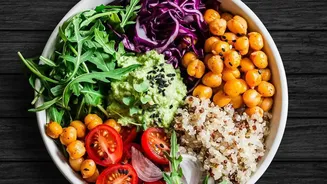
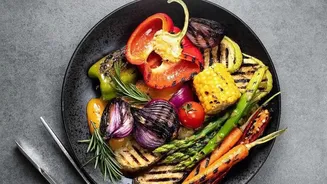
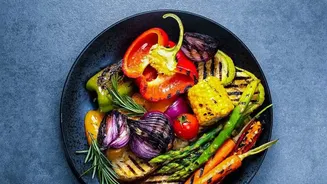
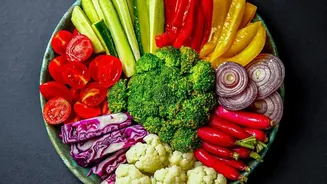
This recipe is a fantastic base that invites experimentation. For an extra layer of flavour and a peppery bite, toss in a handful of fresh arugula or spinach with the hot pasta. To make it a more substantial meal, add some protein. Grilled chicken, pan-seared shrimp, or a can of drained chickpeas or white beans are all excellent additions. You can also vary the vegetables based on what’s in season; roasted zucchini, bell peppers, or blanched asparagus spears would all be delicious. If you have a nut allergy or want to try something different, you can swap the pine nuts in your pesto for walnuts, cashews, or even sunflower seeds for a unique twist.