



A New Chapter for an Icon
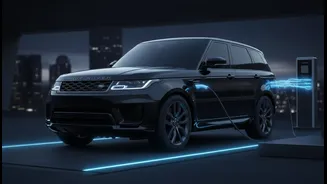
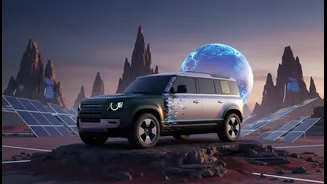
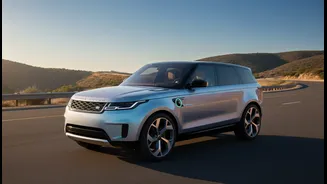
Range Rover has officially pulled back the curtain on its second all-electric vehicle, the Range Rover Sport Electric. Previewed at the prestigious Goodwood Festival of Speed, this move signals a major step for the iconic British brand as it navigates
the transition to electric mobility. While its larger sibling, the Range Rover Electric, has been in the works for some time, the Sport version aims to deliver a more dynamic driving experience, promising to be the quickest and most responsive Sport model ever created. The core philosophy, according to the company, is to build a vehicle that is a Range Rover first and an electric car second, ensuring that the brand’s core values of supreme comfort, craftsmanship, and all-terrain prowess are enhanced, not compromised, by the silent power of an electric powertrain.
The Crucial Range Question
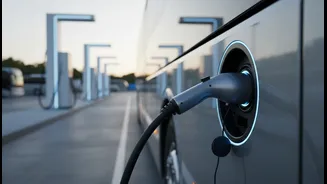
Let's get straight to the number that matters most for any EV: driving range. While official certified figures are still pending, the Range Rover Sport Electric is expected to share its core components with the larger Range Rover Electric. This includes a substantial 118.5 kWh battery pack, which is targeted to deliver a driving range of around 531 kilometres on a single charge. This figure immediately puts the vehicle in contention for long-distance touring, potentially allowing for a journey from Mumbai to the northern borders of Goa without needing a top-up. The vehicle is built on an advanced 800-volt architecture, which is the key to unlocking ultra-fast charging speeds. Land Rover suggests that at a compatible DC fast charger, the battery could be replenished from 10% to 80% in approximately 20 minutes, significantly reducing downtime on extended trips.
Effortless Performance, On and Off-Road
The “Sport” moniker is not just for show. The new electric model is set to feature a powerful dual-motor, all-wheel-drive system generating an estimated 542 horsepower and a massive 850 Nm of instant torque. This level of power promises blistering acceleration, making it one of the most dynamic vehicles to ever wear the Range Rover badge. However, the brand’s DNA is rooted in off-road capability, and the electric version is engineered to uphold that legacy. The MLA platform it’s built on was designed from the outset to accommodate an EV powertrain without sacrificing ground clearance or articulation. The electric motors provide precise torque control to each wheel, enhancing traction in challenging conditions like rock crawling, while the air suspension ensures a serene ride on any surface.
The Competitive Landscape
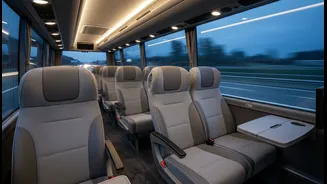
The Range Rover Sport Electric doesn't enter the market in a vacuum. It faces stiff competition in the burgeoning luxury electric SUV segment from established players like the BMW iX and Mercedes-Benz EQS SUV, as well as the upcoming Porsche Cayenne Electric. While some rivals may boast slightly higher headline range figures, Range Rover is betting that its unique blend of brand prestige, unparalleled luxury, and genuine off-road credentials will be a deciding factor for buyers. The focus is on the overall ownership experience rather than winning a numbers game on a specification sheet. The interior remains a sanctuary of high-quality materials and clean design, now with EV-specific displays in the 13.1-inch central touchscreen, but without drastic changes that would alienate loyal customers.
Arrival and Expectations for India
For customers in India, the wait won't be too long. Following a global sales launch in late 2026, the Range Rover Sport Electric is expected to arrive in Indian showrooms by March 2027. This positions it as a key player in the next wave of high-end EVs to hit the country. While official pricing is yet to be announced, industry estimates place the ex-showroom price in the vicinity of Rs 1.9 crore. This pricing strategy would place it in direct competition with other flagship electric SUVs, offering a compelling alternative for those seeking a vehicle with a storied heritage and a clear vision for an electric future.