







Carrots: The Beta-Carotene Powerhouse
Carrots have built a global reputation primarily on one nutrient: beta-carotene. This is a powerful antioxidant that the body converts into Vitamin A, a crucial nutrient for maintaining healthy vision, supporting the immune system, and promoting skin
health. A 100-gram serving of raw carrots provides a significant amount of your daily Vitamin A needs. The long-held belief that carrots help you see in the dark has some truth to it; Vitamin A is essential for preventing night blindness. Beyond their signature nutrient, carrots also offer a decent amount of dietary fibre, which aids digestion, and contain other vitamins and minerals like Vitamin B6 and potassium, though in smaller quantities compared to spinach. They are naturally sweet and low in calories, making them a versatile and healthy snack whether eaten raw, juiced, or cooked into sabzis and stews.
Spinach: The Nutrient-Dense Green Giant
Spinach, or palak, is a true superfood, packed with an impressive array of vitamins and minerals for very few calories. While it also contains beta-carotene, its real strengths lie elsewhere. Per 100 grams, spinach offers substantially more protein, iron, calcium, and potassium than carrots. It's also a fantastic source of antioxidants like lutein and zeaxanthin, which are vital for protecting eyes against age-related conditions like cataracts and macular degeneration. However, the headline nutrients that truly set spinach apart are folate and Vitamin K, two compounds essential for fundamental bodily processes.
Folate: The Master of Cell Growth
Folate, also known as Vitamin B9, is a critical nutrient for everyone, but it’s especially vital for pregnant women. Its primary role is to support healthy cell division and tissue growth. This process is fundamental for everything from making and repairing DNA to producing red blood cells. A folate deficiency can lead to certain types of anaemia and has been linked to an increased risk of specific birth defects affecting the brain and spine. Spinach is an outstanding source of this essential vitamin. A 100-gram serving of raw spinach can provide nearly half of the recommended daily intake of folate. This makes it one of the best dietary sources for ensuring your body has what it needs for healthy cellular function.
Vitamin K: The Unsung Hero for Blood and Bones
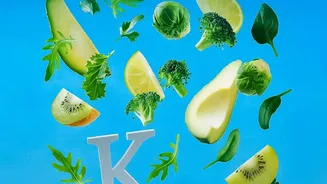
Often overlooked, Vitamin K is a powerhouse nutrient that plays two major roles in the body: blood clotting and bone health. Vitamin K1, the form found abundantly in leafy greens, is essential for producing proteins that help your blood clot properly. Without enough of it, you might experience excessive bleeding or easy bruising. Furthermore, Vitamin K helps direct calcium to your bones, which is crucial for building bone density and reducing the risk of fractures. Spinach is an absolute champion in this department. A single serving of spinach can provide well over your entire daily requirement for Vitamin K. In fact, spinach contains about 35 times more Vitamin K than carrots do, highlighting its superior role in supporting these functions.
The Showdown: Raw or Cooked?
How you prepare these vegetables matters. Cooking carrots can actually make their beta-carotene more available for your body to absorb because the heat helps break down tough cell walls. For spinach, the story is a bit more complex. Cooking can reduce its levels of water-soluble vitamins like Vitamin C. However, it also reduces compounds called oxalates, which can block the absorption of minerals like iron and calcium. Therefore, lightly steaming or sautéing spinach can make some of its minerals more accessible to your body. Steaming seems to be one of the best methods to retain nutrients like folate.