





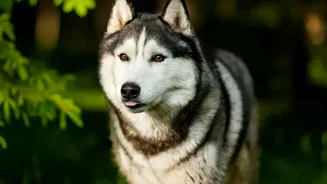
The Return of a Top Predator
For centuries, wolves were persecuted across Europe, hunted to the brink of extinction and squeezed out by expanding human settlements. But thanks to stronger legal protections, increased public acceptance, and dedicated conservation efforts, the continent
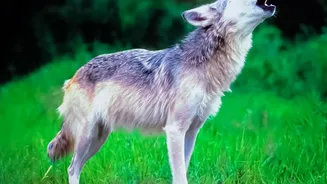
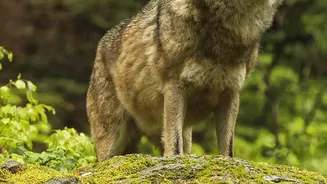
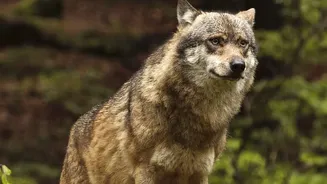
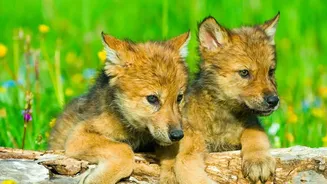
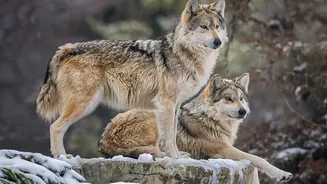
is witnessing a remarkable revival. A 2025 study found that Europe's wolf population had grown to over 21,500 individuals by 2022, a staggering 58% increase in just a decade. This comeback is a rare conservation success, demonstrating the resilience of nature. Wolves are now found in nearly all mainland European countries, with nations like Germany, Italy, Poland, and Spain each hosting populations of over 1,000 animals. This resurgence is supported by the recovery of prey species like deer and wild boar, allowing wolves to reclaim their ancestral territories, from dense forests to human-dominated agricultural landscapes.
From Fairytale Villain to Tourist Draw
The wolf’s return is rewriting more than just ecological textbooks; it’s changing cultural perceptions. Long cast as the villain in folklore, the wolf is increasingly seen as a symbol of a healthy, functioning ecosystem and a key attraction for a new kind of tourism. This shift is creating economic opportunities that provide a tangible incentive for conservation. While the positive economic impacts of wolf-related tourism are still being fully studied, early signs are promising. In areas like Spain's Riaño Mountains, wolf observation tourism is becoming a vital part of the local economy. Tour operators report that a significant portion of their revenue stays within local communities, supporting family-run hotels, local guides, and conservation projects. This model helps create a sustainable green economy, placing a direct cultural and economic value on the presence of these magnificent animals.
Europe’s New Wolf-Watching Hotspots
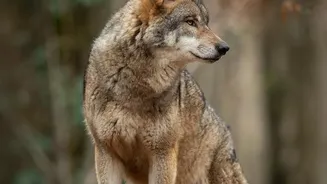
For adventurous travellers, this boom has opened up a host of exciting destinations. Italy’s Abruzzo National Park in the Apennine Mountains offers one of Europe's most established wolf-watching experiences, where you can track wolves through ancient beech forests. Spain's Sierra de la Culebra mountains have become another hotspot, where patient observers can watch Iberian wolves roaming the plains. In Eastern Europe, the Carpathian Mountains of Romania and the primeval Bialowieza Forest of Poland offer immersive tracking experiences in some of the continent's wildest landscapes. Even Western Europe is joining in; wolves that crossed from Italy into France in the 1990s have established a population in the Southern Alps, creating opportunities for tracking trips just a drive away from the French Riviera.
How to Travel with a Conscience
The thrill of seeing a wolf in the wild is undeniable, but it comes with a responsibility. The key to this new tourism is ensuring it remains ethical and sustainable. Experts stress that wolves are shy, elusive, and should remain wild. Responsible tourism means choosing expert-led expeditions that prioritize the animals' welfare, keep a respectful distance, and never attempt to habituate them to human presence. These trips often involve early mornings, long hours of tracking, and the understanding that a sighting is a rare privilege, not a guarantee. The best tour operators work in small groups and contribute directly to local conservation, helping to fund projects that promote coexistence between wolves and the communities that live alongside them, particularly farmers. By choosing wisely, travellers can ensure their holiday actively supports the future of Europe's wolves.