


Become a Sunlight Detective
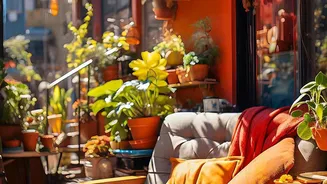
Before you buy a single plant, your first job is to understand your light. The amount of direct sun your balcony receives is the single most important factor in your garden's success. Observe your space throughout a clear day. Does it get blasted by intense,
direct sun for six or more hours? That's 'full sun'. Is it a mix of three to six hours of direct sun? You have 'partial sun' or 'partial shade'. Less than three hours of direct light means you have a 'full shade' balcony. You can take photos at 9 a.m., noon, and 4 p.m. to map the light patterns. A south- or west-facing balcony often gets strong, hot sun, while an east-facing one gets gentler morning light and a north-facing balcony is mostly shaded. This knowledge is your most powerful tool.
Choose Your Low-Effort Plants
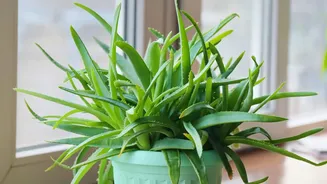
Now that you know your sunlight, you can pick plants that will thrive, not just survive. For sunny, hot balconies, choose hardy bloomers like Bougainvillea, Hibiscus, Portulaca (Moss Rose), and Vinca. Succulents like Aloe Vera and Jade Plant also love the sun and are extremely forgiving if you forget to water them. For balconies with partial sun or shade, your best options are foliage plants. Snake Plant, Money Plant (Pothos), Spider Plant, and ZZ Plant are famously low-maintenance and do well in lower light conditions. The key is to match the plant's needs to your balcony's conditions, which solves most gardening problems before they start.
Align with Your Lifestyle
A low-maintenance garden must fit into your daily routine. Be honest about how much time you can commit. If you travel often or have a hectic schedule, avoid plants that need daily attention. A great strategy for busy people is to group plants with similar needs together. This way, you aren't trying to remember five different watering schedules. The goal is to make plant care a quick, enjoyable ritual, not another chore. If you have just ten minutes a couple of times a week, that's enough for a well-planned garden. Many hardy plants only need a few minutes of attention every two or three days.
Build a Solid Foundation
Container plants are entirely dependent on the soil you give them. Don't use heavy garden soil, which compacts in pots, chokes roots, and drains poorly. Instead, invest in a quality, lightweight potting mix. These mixes are designed to hold moisture while also providing aeration and drainage. To make your life even easier, mix in a slow-release fertiliser when you first pot your plants. This will provide a steady stream of nutrients for several months, saving you the task of frequent feeding. Ensuring your pots have drainage holes is also non-negotiable to prevent waterlogging and root rot.
Automate Your Watering
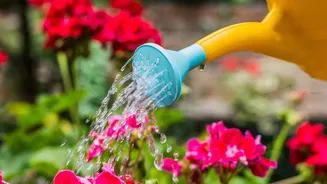
Watering is often the most time-consuming part of balcony gardening, especially because containers in the sun and wind can dry out very quickly. To minimise this chore, consider self-watering systems. Self-watering planters have a built-in reservoir that allows the plant to draw up water as needed through capillary action. These can keep a plant happy for several days without intervention. For an even simpler solution, you can use terracotta watering cones or spikes that you screw onto a water bottle and push into the soil; the porous clay slowly releases water as the soil dries. These simple tools are a game-changer for busy people or for keeping plants alive during a short holiday.