





The Journey into the Mountains
Reaching Lahij is an adventure in itself. The three-hour drive from Azerbaijan's capital, Baku, transitions from plains to an increasingly dramatic mountain road that winds through a spectacular canyon. This scenic journey prepares you for the village's
secluded atmosphere, where the air grows cooler and the sense of remoteness deepens with every turn. While the road is now sealed, its sharp bends and occasional bumps are a constant reminder that you are entering a world far removed from the city's hustle. Situated over 1,200 meters above sea level on the southern slopes of the Greater Caucasus, Lahij is a village that has been shaped by its magnificent and challenging environment.
Hiking Through Forest and Foothill
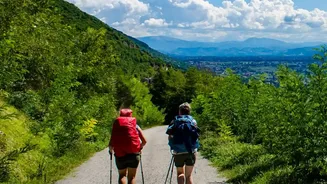
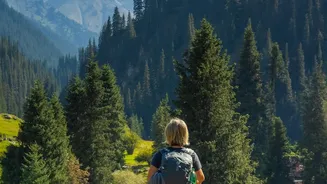
For outdoor enthusiasts, the area around Lahij presents a network of stunning hiking trails. These paths wind through the protected forests of Shahdag National Park, across streams, and up to high-altitude pastures. One popular but challenging route connects the nearby village of Muju to Lahij, a 10-kilometer trek that rewards experienced hikers with incredible views. The trail ascends to 2,000 meters, passing through rocky terrain and mountain meadows before descending into the historic town. From these vantage points, hikers can gaze upon breathtaking panoramas of the surrounding villages and the snow-capped peaks of the Great Caucasus. The trails cater to various skill levels, offering everything from serene walks to demanding mountain hikes.
A Village Carved from Stone and Time
Entering Lahij feels like walking onto a film set. The village is a designated historical and cultural reserve, known for its antique cobbled streets and stone houses, many of which are built with river boulders. This unique construction has helped the buildings resist the region's frequent earthquakes. The town's layout, with its narrow alleys and central squares, has remained remarkably preserved for centuries. Lahij even boasts a sophisticated sewage system that some experts claim is over 1,000 years old, a testament to its advanced origins. The inhabitants are primarily ethnic Tats, who speak their own distinct language, adding another layer to the village's unique cultural fabric.
The Echo of the Coppersmith's Hammer
The true soul of Lahij resonates in the rhythmic clang of hammers on copper. For centuries, this village has been a renowned center for craftsmanship, with over 40 different trades once practiced here. Today, it is most famous for its copperwork, a tradition so vital that UNESCO added it to the Representative List of the Intangible Cultural Heritage of Humanity in 2015. The main street is lined with workshops where artisans patiently hammer, shape, and engrave intricate designs onto plates, trays, and jugs. Visitors can watch these masters at work, using techniques passed down from father to son, and purchase authentic, handcrafted pieces directly from the source.
Planning Your Visit
A day trip from Baku is feasible, but to truly soak in the atmosphere, consider an overnight stay in one of the local guesthouses. The best time to visit is often spring or summer, when the weather is mild and the mountain landscapes are lush. While hiking, be sure to wear sturdy shoes and bring water. Some of the more challenging trails are best tackled with a local guide who knows the terrain. There is an ATM in the village, but carrying some cash is recommended for purchasing crafts and snacks. One day is often enough to see the main sights, but those looking to hike extensively or immerse themselves in the unhurried pace of village life may wish to stay longer.