



The Digestive Dynamo
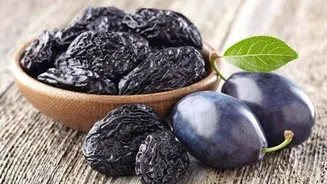
Let's get the most famous benefit out of the way: prunes are fantastic for digestive health. This isn't just an old wives' tale; it's a fact backed by science. Their effectiveness comes from a powerful combination of factors. Prunes are a great source
of both soluble and insoluble fibre. Insoluble fibre adds bulk to stool, helping it move through your system more quickly, while soluble fibre helps soften it. But the secret weapon is a sugar alcohol called sorbitol. Sorbitol isn't well-absorbed by the body, so it draws water into the intestines, which further aids in relieving constipation. This triple-action effect of fibre and sorbitol is why prunes are often more effective than fibre supplements alone for maintaining regularity.
An Unsung Hero for Bone Health
Beyond digestion, one of the most compelling reasons to eat prunes is for your bones. A growing body of research suggests that daily prune consumption can help maintain bone mineral density, particularly in postmenopausal women who are at a higher risk for osteoporosis. Studies have shown that eating just five to six prunes a day can help prevent the loss of bone density in the hip. Scientists believe this effect is due to a unique mix of nutrients including Vitamin K, potassium, and boron, as well as antioxidants that reduce inflammation, a factor that can contribute to bone breakdown. While they are not a replacement for medical treatments, incorporating prunes into your diet is a simple, food-based strategy to support skeletal strength as you age.
A Nutrient-Packed Powerhouse
Prunes are more than just fibre and bone-builders; they are packed with a variety of essential vitamins and minerals. They are an excellent source of potassium, which is crucial for heart health, nerve function, and muscle contractions. They also provide important antioxidants, which help protect your body's cells from damage caused by unstable molecules called free radicals. This antioxidant action can help lower inflammation and reduce the risk of chronic diseases. With significant amounts of Vitamin K, Vitamin B6, copper, and manganese, a small serving of prunes delivers a surprising nutritional punch for its calorie count.
Miracle Cure or Just a Fruit?
This is where we circle back to the headline. With all these benefits, it can be tempting to label prunes a 'superfood' or a miracle cure. But that's not necessary. Some common myths are that prunes will cause weight gain or are bad for those with diabetes because they are sweet. In reality, their high fibre content promotes a feeling of fullness and helps manage blood sugar levels, giving them a low glycemic index. They aren't a magic weight-loss food, but they can certainly be part of a healthy weight management plan. The key is moderation. Eating too many can lead to digestive discomfort due to that very effective fibre and sorbitol. The real story is better than a miracle: prunes are simply a nutrient-dense whole food with proven, tangible benefits.
Making Prunes a Pleasant Habit
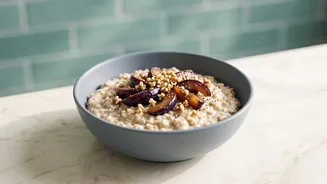
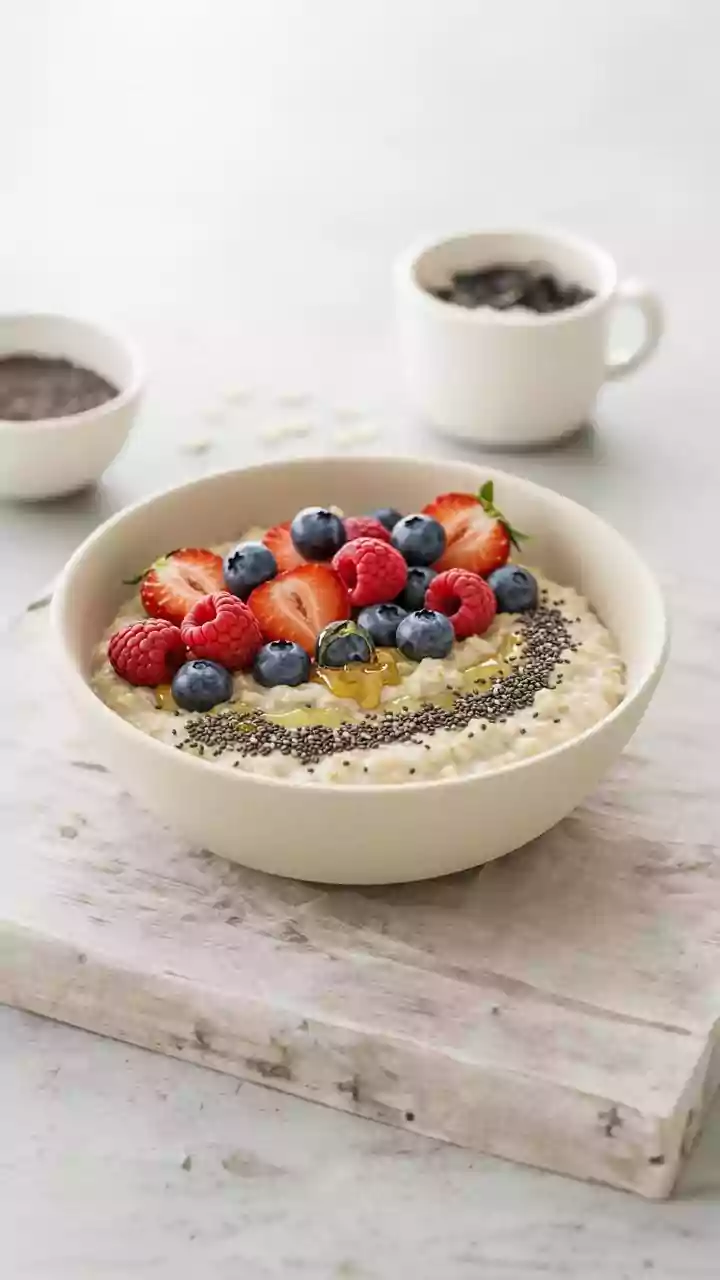
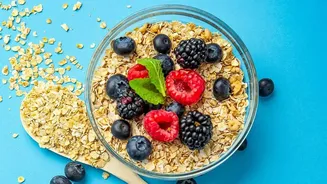
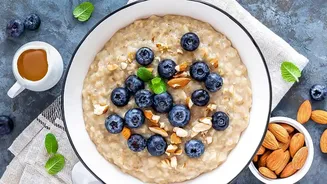
So, how do you make prunes a regular part of your breakfast? Forget the image of just eating a handful of wrinkly fruit from a box. Chopped prunes are a fantastic, naturally sweet addition to a bowl of oatmeal or daliyal. They can be blended into smoothies to add fibre and sweetness without adding sugar. You can also stir them into yogurt or layer them in a parfait with nuts and seeds for a mix of textures. Their rich, deep flavour pairs well with savoury dishes too. The recommended serving for general digestive health is about four to six prunes per day, which is an easy and delicious target to hit with a little creativity.