




The Unique Benefits of Beachside Practice
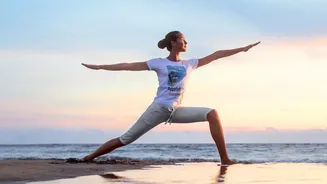
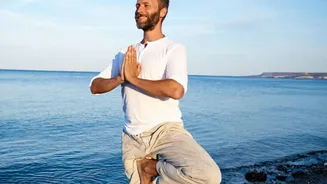
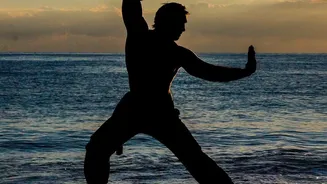
Moving your Tai Chi practice from a firm floor to the shifting sands of a beach is more than just a change of scenery; it's a way to deepen your practice. The unstable surface forces the small, stabilizing muscles in your feet, ankles, and legs to work
harder, dramatically enhancing your balance and proprioception—your body's awareness of its position in space. This natural resistance helps build functional strength in a gentle, low-impact way. Furthermore, the environment itself offers profound wellness benefits. The rhythmic sound of the waves can guide your breathing, helping you sink into a more focused, meditative state. The fresh sea air and connection to the natural landscape can reduce stress and enhance mental clarity, transforming your physical exercise into a holistic mind-body experience.
Adjusting Your Foundation: Shorter Stances
The single most important adaptation for practicing on sand is modifying your stance. On solid ground, a deep, wide stance provides stability and power. On sand, however, the same stance can lead to instability as your feet sink and shift. The key is to adopt a slightly narrower and higher stance than you normally would. This provides a more stable and controllable base. By not sinking as deeply into each posture, you can make micro-adjustments more easily, maintaining your centre of gravity over the unpredictable surface. Think of it as creating a more compact and adaptable foundation, allowing you to 'float' on the sand rather than fighting to root into it. This adjustment is crucial for preventing strain on your knees and ankles, ensuring your practice remains safe and beneficial.
Mastering the Flow: Slower Transitions
Tai Chi is known for its slow, deliberate movements, but on the sand, this quality becomes even more critical. Shifting your weight from one foot to the other—a fundamental part of all Tai Chi forms—is significantly more challenging on a soft surface. To maintain balance, you must slow down your transitions even more than usual. This deliberate pacing gives your body time to register the feedback from the ground and engage the necessary muscles to stay upright. Focus on the principle of distinguishing 'substantial' and 'insubstantial' (full and empty), feeling the weight transfer completely before lifting a foot. Imagine you are moving through water, with a fluid, continuous motion that minimizes abrupt changes. This mindful slowness not only prevents falls but also strengthens your core and improves the overall grace and control of your form.
Safety and Awareness on the Shore
While practicing on the beach is wonderful, it requires some specific safety considerations. Begin by choosing your location wisely; firm, wet sand near the waterline at low tide is often more stable than deep, dry sand. Always be aware of your surroundings, including the tide schedule. Before you begin, do a gentle warm-up to prepare your joints for the unique demands of the surface. Listen to your body, especially your ankles and knees. If you feel any pain, stop. Standard Tai Chi safety principles, like keeping your knees aligned with your toes and not extending your knee past your toes in a forward stance, are even more important on sand. Finally, remember general beach safety: protect yourself from the sun, stay hydrated, and wear appropriate footwear if the sand is too hot or has sharp objects.