
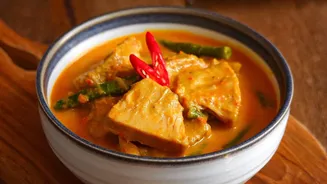


The Foundation of a Great Dish
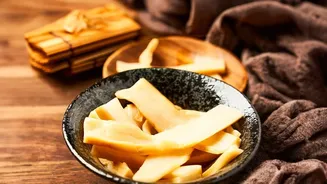
In many parts of India, from the hills of Nagaland and Assam to the coastal kitchens of Karnataka, bamboo shoots are a celebrated ingredient. Available fresh, fermented, or canned, they bring a distinct earthy flavour and, most importantly, a signature
texture. Naturally, a bamboo shoot has a satisfying tender-crisp bite. This unique quality makes it a versatile player in the kitchen, capable of either maintaining its crispness or yielding to a soft, succulent state depending on how it's cooked. Understanding this dual nature is the first step to elevating your recipes. A dish with a singular, monotonous texture can become uninteresting, but introducing a variety of sensations—a silky curry punctuated by a firm bite, or a crunchy stir-fry with meltingly soft elements—keeps the palate engaged and creates a more memorable meal.
Embracing the Crisp
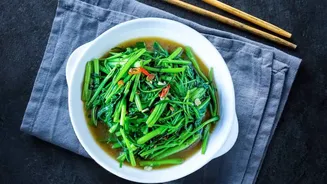
To highlight the bamboo shoot's inherent crispness, quick-cooking methods are your best friend. Stir-frying is a classic technique. Slicing the shoots into thin rounds or matchsticks and tossing them in a hot wok with aromatics like garlic and ginger sears the outside while keeping the interior snappy. This method is popular in many Asian cuisines and works beautifully as a simple side dish. Another approach is to use them in salads. After a brief blanching to ensure they are tender and to remove any bitterness, cooled bamboo shoots provide a wonderful crunch that pairs well with zesty dressings and fresh herbs. They also add a delightful textural surprise when finely diced and mixed into fillings for dumplings or spring rolls, contrasting with the softer meat and wrapper.
The Pursuit of Softness
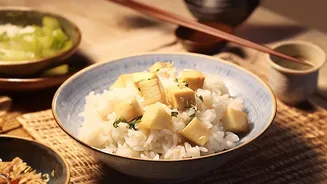
On the other end of the spectrum is the art of making bamboo shoots soft and tender, allowing them to absorb the flavours of a dish. This is typically achieved through slow-cooking methods. In many Indian curries, bamboo shoots are simmered in rich, flavorful gravies. For example, in a Kodagu 'Baimbale Kari', the shoots are cooked in a fragrant coconut base until they become succulent. Similarly, in the Assamese 'Khorisa Maas', fermented bamboo shoots are cooked with fish, their texture softening as they meld with the tangy, spicy gravy. Braising is another excellent method. Cooking bamboo shoots slowly in a flavourful liquid, like a soy-based sauce or a hearty broth, breaks down their fibres, resulting in a tender bite that still offers a pleasant resistance.
Mastering the Contrast in One Dish
The true magic happens when you combine both soft and crisp textures in a single dish. Imagine a rich, slow-cooked pork curry from Nagaland, where the bamboo shoots have become tender from simmering, served with a garnish of crispy fried onions. Or consider a Konkani-style 'Keerla Sukke', a semi-dry dish where boiled bamboo shoots are coated in a sweet and sour coconut paste, creating a soft element that can be paired with a crunchy tempered topping of mustard seeds and lentils. Even in a simple stir-fry, you can create contrast. Sautéing bamboo shoots until they are lightly charred at the edges adds a crisp dimension, while pairing them with softer ingredients like mushrooms or tofu introduces a pleasing textural counterpoint.
A Quick Guide to Preparation
How you prepare your bamboo shoots is key. If you are using canned shoots, they are pre-cooked and ready to go after a good rinse to wash away any metallic taste from the brine. Fresh bamboo shoots, however, require a bit more work. They contain compounds that can be bitter, so they must be properly prepared. First, peel away the tough outer layers until you reach the pale, tender core. Then, it is essential to boil them. Simmering the fresh shoots in water for at least 20 minutes, sometimes with a bit of salt or rice, helps to remove any bitterness and makes them tender and safe to eat. Once boiled, they can be sliced and used in any recipe, whether you're aiming for a crisp stir-fry or a soft, slow-cooked curry.