





The Art of Aimless Wandering
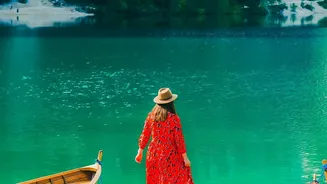
Purpose-free travel, also known as slow or unplanned travel, is less a type of trip and more a state of mind. It’s the deliberate decision to let go of rigid itineraries and checklists. Instead of rushing from one landmark to another, the goal is to immerse
yourself in a place, letting curiosity and serendipity be your guides. Think of it as the opposite of a packed tour group schedule. It’s about lingering in a neighbourhood cafe, discovering a hidden alley, or striking up a conversation with a local artisan without worrying about what’s next on the agenda. This approach fosters a deeper, more authentic connection with the destination, turning a simple holiday into a series of memorable, unscripted moments. The focus shifts from 'seeing' to 'feeling' a place, prioritising quality of experience over quantity of sights.
Why We're Ditching the Plan
The appeal of aimless wandering has grown significantly, resonating with a collective desire for a mental reset. After years of disruption and increasing burnout, many travellers are seeking more meaningful and less stressful experiences. The trend is a direct response to the pressure of hyper-curated social media feeds that often turn vacations into a performance. By travelling without a plan, you reduce the stress of sticking to a schedule and open yourself up to unexpected adventures. This spontaneity is not only liberating but has been shown to boost mindfulness and creativity as your brain adapts to new situations. It encourages you to be present and connect more deeply with your surroundings, which can lead to greater personal growth and self-awareness. Ultimately, it’s about reclaiming travel as a form of genuine rest and discovery, rather than another project to be managed.
How to Plan for Spontaneity
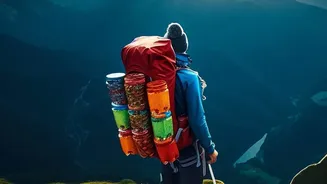
The idea of an 'unplanned' trip might sound daunting, but it doesn't mean zero preparation. It's about creating a framework of flexibility. Start by choosing a destination that lends itself to exploration. For Indian passport holders, the options for hassle-free travel are expanding. As of 2026, countries like Thailand, Malaysia, Nepal, Fiji, and Mauritius offer visa-free or visa-on-arrival access, making them ideal for more spontaneous journeys. Rather than booking every night’s stay in advance, perhaps book just the first few. This leaves you free to extend your stay in a place you love or move on if you don't. Similarly, consider a one-way flight or flexible-date tickets. Financially, unplanned travel can sometimes be cheaper, as you can take advantage of last-minute deals and local, less-touristy options for food and lodging. The key is to secure the essentials—a rough budget, necessary visas, and travel insurance—and then leave the rest of the canvas blank.
Destinations That Welcome Drifters
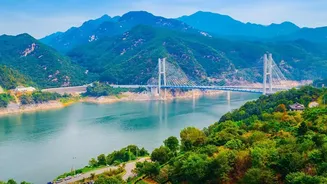
Certain places are particularly well-suited for a purpose-free approach. For Indians, neighbouring Nepal offers breathtaking scenery and requires no visa, just a valid passport or Voter ID. Southeast Asia is another prime region. Thailand now offers a 60-day visa-free stay, perfect for an unhurried exploration of its islands and northern cities. Malaysia has also extended its visa-free policy, blending urban excitement in Kuala Lumpur with the rainforests of Borneo. For those seeking a beach paradise, Fiji and Mauritius offer long visa-free stays, allowing you to truly settle into the island rhythm. Even within India, destinations like the winding roads of Himachal Pradesh, the serene backwaters of Kerala, or the vast landscapes of Ladakh are perfect for a journey without a fixed endpoint. The goal is to pick a place with enough infrastructure to travel comfortably but enough freedom to get wonderfully lost.