







Understanding the 'First-Dollar Gross' Deal
In Hollywood, most actors get a fixed salary. Some big stars negotiate for "backend points," which give them a percentage of a film's profits. But Tom Cruise pioneered a far more lucrative arrangement: the "first-dollar gross" deal. This structure is the ultimate
power move. It means the star gets a percentage of the studio's revenue from the very first ticket sold, before the studio even deducts its own costs for production and marketing. While the studio might still be in the red, the actor with this deal is already earning millions from the box office gross. It is a high-stakes strategy that few stars have the leverage to demand, but for Cruise, it has been the cornerstone of his financial empire.
The Mission: Impossible Blueprint
The Mission: Impossible franchise is the perfect case study of Cruise's financial strategy in action. When he first took on the role of Ethan Hunt in 1996, he also became a producer on the film. This allowed him to negotiate a deal where he received a smaller upfront salary in exchange for a significant percentage of the film's total earnings. For the first film, this deal reportedly netted him an estimated $70 million. For Mission: Impossible II, he reportedly earned around $75 million, and for Mission: Impossible – Fallout, his combined earnings may have approached $100 million. By betting on himself and the success of the franchise, he transformed his role from a simple actor to a full-fledged business partner, reaping massive rewards when the films became global hits.
The Top Gun: Maverick Jackpot
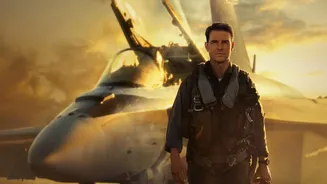
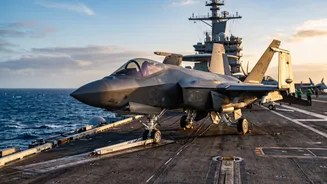
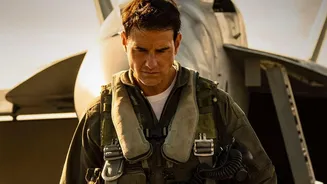
Perhaps the most stunning example of Cruise's deal-making prowess is Top Gun: Maverick. He reportedly took a relatively modest upfront salary of around $13 million. However, his contract included a significant share—estimated at over 10%—of the first-dollar gross. When the film soared past $1.4 billion at the global box office, Cruise's earnings skyrocketed. His total take-home from the film is estimated to be well over $100 million, making it one of the largest single-movie paydays for an actor in history. This phenomenal success cemented the power of his financial model, demonstrating that even decades into his career, his ability to draw audiences is a powerful bargaining chip.
The Risk and the Reward
While these deals have resulted in nine-figure paychecks, the strategy is not without risk. A first-dollar gross deal is only truly massive if the film is a blockbuster. If a movie underperforms at the box office, the backend earnings are significantly smaller. For instance, while Mission: Impossible - Dead Reckoning Part One still earned Cruise a considerable sum due to the first-dollar gross structure, the film's overall theatrical run was not as profitable for the studio as previous installments. However, Cruise's track record of picking and producing commercially successful films has been remarkably consistent. His willingness to perform his own death-defying stunts is not just for show; it is a core part of the marketing that ensures audiences turn up, mitigating the financial risk and ensuring his backend deals pay off handsomely.